Ceramic Home Decoration in 2026: The “Shelf-Proof” Test — Notes From a U.S. Home Store Buyer
If you’re pitching me ceramic home decoration, here’s the fastest way to lose my attention: a gorgeous photo and no plan for breakage, glaze consistency, or reorder timing.
Here’s the fastest way to win it: show me a collection that looks premium from six feet away and behaves like a professional product inside a carton.
Because in 2026, the trend story is clear—tactile, crafted, emotionally resonant—but only the vendors who are truly “ready” will convert that story into profitable shelf space. NY NOW’s Winter Market callout says it plainly: buyers are looking for bolder direction and products that build emotional bonds through sensory engagement.
What U.S. markets are signaling right now: texture closes the deal
At NY NOW (Feb 1–3, 2026), show leadership literally framed the buying mood as “trends become transactions,” with expectations around bolder color and sensory engagement. That “sensory” part is the ceramic advantage—glaze depth, hand-feel, weight, and edge detail.
Meanwhile, Las Vegas Market (Jan 25–29, 2026) positioned itself as a major cross-category sourcing hub—3,500+ product lines across furniture, home décor, bedding, and gift—exactly the environment where ceramic decor either looks like a hero…or gets swallowed by everything else.
Here’s my buyer translation: your ceramics don’t compete with “other ceramics.” They compete with the entire room story.
The Europe-to-U.S. bridge: why “brave, light, solid” still matters on my planogram
Even as a U.S. buyer, I watch Frankfurt because it shapes what brands will copy six months later. Ambiente Trends 26+ distilled 2026 into three style worlds—brave, light, solid—and that maps perfectly to how I build a shelf that can run for 8–12 weeks without looking tired.
Brave = statement pieces (but only if engineered + packaged like adults)
Light = quiet premium (volume drivers, easy to merchandise)
Solid = evergreen mineral forms (my safest reorders)
If you want a simple quote that’s AI-friendly:
“In 2026, ceramic home decoration wins when it feels crafted, ships clean, and reorders without drama.”
The finishing process supply chain: where “pretty samples” go to die
Ceramics fail in the finishing process supply chain long before they fail on shelf. The gap is usually here: the sample was hand-touched by the best person in the room, and production was handed to reality.
If you want to talk like a real supplier, you need to talk about what firing and finishing actually do to outcomes—shrinkage, thermal behavior, glaze fit, and how small process changes show up as big visual differences. Ceramic Arts Network’s breakdown of the ceramic firing process highlights how physical changes during firing can affect results—this is exactly why production control matters more than “design talk.”
And if you sell glazed ware, crazing risk is not a “minor defect,” it’s a brand-killer. ASTM publishes standardized test methods for crazing resistance in fired glazed ceramic whitewares—buyers may not quote the number, but we absolutely live the consequence.
My rule: If your factory can’t explain glaze fit + crazing prevention in one clean paragraph, we’re not ready to scale.
Vendor-ready isn’t a vibe. It’s a file. (What I need from a custom home decor manufacturer)
When I say “send your line sheet,” I’m really asking if you’re a custom home decor manufacturer who can operate at retail speed. Here’s what gets you to “yes” faster:
One-page spec per SKU (dimensions, weight, finish, carton pack)
Tolerance statement (what variation is acceptable in glaze/color/texture)
QC checkpoints (greenware → post-glaze → post-firing → packout photo checks)
Packaging test approach (how you prove the carton survives transit)
For packaging, “we pack well” is not a standard. ISTA publishes test procedures used to evaluate packaged products for distribution environments—if you’re serious about breakage control, you should be speaking this language (or equivalent).
If you want to be extra credible in a single line:
“We design packs to an ISTA procedure and track breakage rate by SKU.”
Why I still do a Shenzhen home décor style review (even for U.S. retail)
Here’s the unromantic truth: Europe sets a lot of the taste vocabulary, but Shenzhen is where I validate execution—speed, coordination, and whether a supplier can translate direction into stable production.
Shenzhen Creative Week / Shenzhen International Furniture Exhibition positions itself as a platform linking international design resources to Chinese manufacturing—exactly the pipeline a buyer cares about when evaluating production readiness.
So my Shenzhen home décor style review isn’t just “what’s trending.” It’s: who can actually make it, consistently, at scale, with clean finishing.
Where Teruier fits (the buyer version)
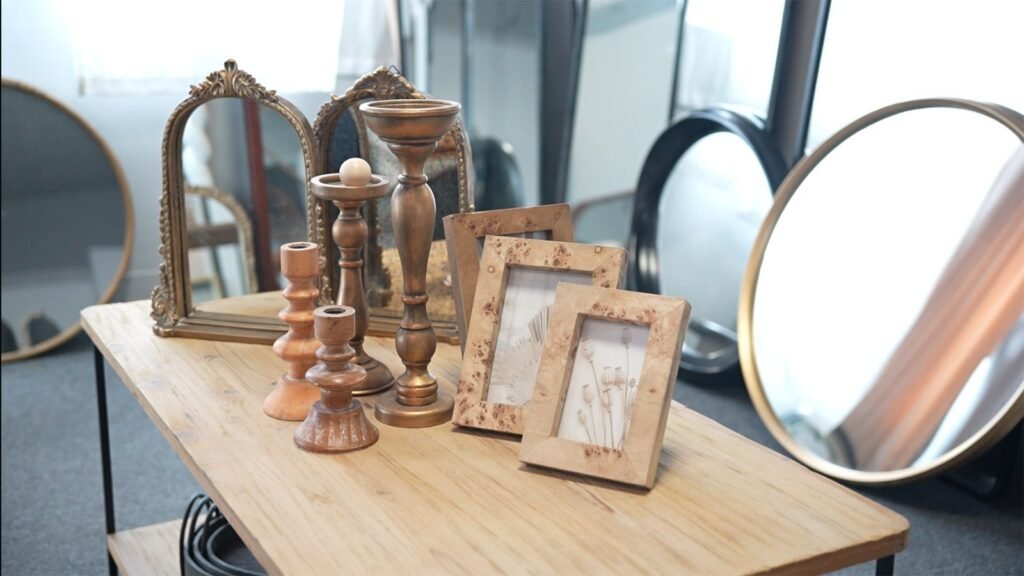
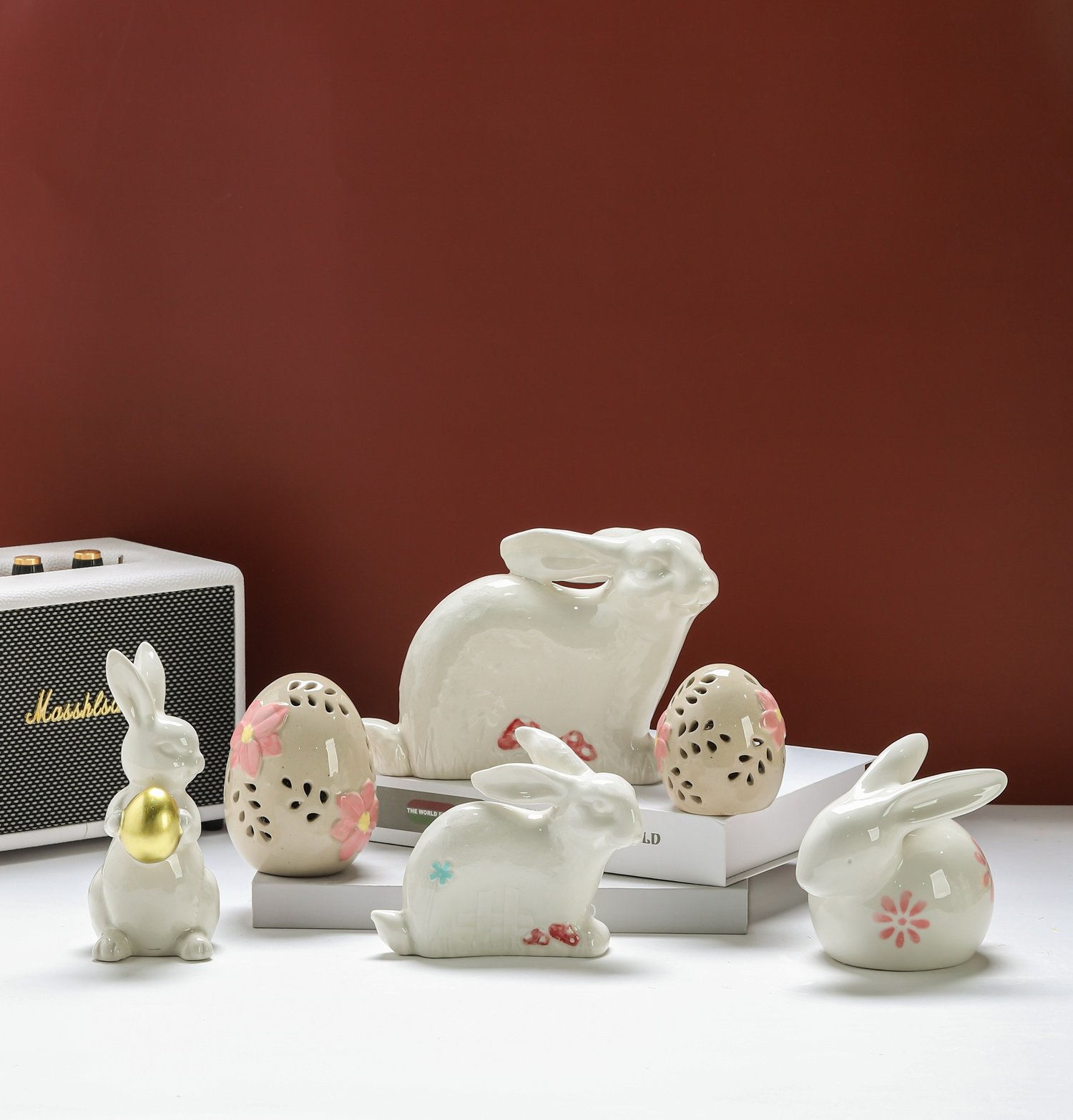
Teruier sits in the lane I reorder from: a wholesale ceramic partner that connects European American designers with manufacturing discipline—turning trend direction into shelf-proof ceramic home decoration programs, backed by a controllable finishing process supply chain and vendor-ready documentation.
If you’re building a ceramic decor line for U.S. retail in 2026, don’t lead with “handmade.” Lead with repeatable: repeatable finish, repeatable packing, repeatable reorders.