
If you’re a home décor buyer, you don’t get credit for the best-looking sample. You get credit for sell-through, on-time deliveries, low return rates—and a reorder that matches what your customers already reviewed online.
That’s why ottomans are both a gift and a trap. They’re strong sellers, easy add-ons, and perfect for small-space living. But they’re also one of the fastest categories to break a buying plan when specs drift, packaging fails, or the “same SKU” changes between production runs.
Right now, two ottoman directions are performing especially well on the floor and online:
storage ottoman wholesale for function-first customers who want hidden organization
square shearling ottoman wholesale for touch-first customers who buy texture on sight
The question is: how do you scale these into a brand program—without drowning in supplier coordination and reorder risk?
Here’s the one-line positioning that matters to buyers (because it describes the system you actually need):
A private label home decor supplier and ODM home decor manufacturer that turns ottoman winners into locked, reorder-ready SKUs—so your storage and shearling programs stay consistent from launch to replenishment.
The buyer pain points nobody puts on a mood board
In buying meetings, people talk about trends. In real life, your pain is operational:
your first shipment sells, but the reorder looks different
fabric tone drifts under store lighting and photos
foam firmness changes and customers complain
hinges, lids, or inner storage structures loosen over time
cartons arrive crushed, creating damage claims and markdowns
you can’t keep reviews consistent because the product isn’t consistent
A “good supplier” isn’t the one who says yes to everything. It’s the one who protects your assortment from these predictable failures.
Why storage ottoman wholesale is a category buyers can scale—if structure is controlled
storage ottoman wholesale sells because it solves a real problem: small-space clutter. Customers see immediate value, especially in bedrooms and living rooms.
But storage adds complexity that many factories underestimate:
lid alignment and hinge durability
safe closing behavior (no slamming, no wobble)
internal frame strength (so the top stays stable)
consistent capacity (so dimensions don’t drift)
If your supplier treats storage as “just add a lid,” your return rate will teach them the hard way.
A buyer-ready supplier treats the storage structure as part of the SKU identity: same mechanism, same tolerances, same test standard—every time.
Why square shearling ottomans sell fast—and fail fast when reorders drift
The reason square shearling ottoman wholesale works is simple: texture converts. Customers touch it, imagine comfort, and buy quickly.
But shearling-style upholstery also amplifies drift:
pile height changes between batches
hand-feel becomes flatter or “cheaper”
tone shifts under warm lighting
corners crush more easily in transit
seams look more obvious on plush textures
If you’re building a shearling program, you need stricter controls than you would for smooth fabrics—especially packaging that prevents compression and corner damage.
Private label + ODM: what buyers actually need (and what they don’t)
Most buyers don’t want to manage five suppliers to launch one ottoman line. You want speed, clarity, and accountability.
A strong private label home decor supplier should help you build the brand-side system:
stable SKU naming and spec packs
consistent photography reference standards
packaging that fits your channel (store, e-com, hybrid)
a reorder process that protects ratings and reviews
A capable ODM home decor manufacturer should protect the production-side system:
locked materials and foam density
consistent upholstery workmanship and seam placement
repeatable hardware and structural standards (especially for storage lids)
QC checkpoints that catch drift before packing
When private label and ODM are working as one system, you get what buyers actually want: fewer surprises.
The buyer’s checklist for an ottoman program that won’t break
Before you commit to a storage + shearling assortment, ask these questions:
For storage ottomans
How is the lid mechanism specified and tested?
What controls prevent lid misalignment in production?
How is internal structure reinforced for long-run use?
For shearling-style ottomans
How do you lock pile height and hand-feel across batches?
What defect standards apply to matting, shedding, and seam tension?
What packaging prevents compression and corner crush?
For both
Do you keep a master reference so reorders match the approved sample?
Can the supplier explain QC checkpoints, not just “we have QC”?
What’s the realistic reorder timeline—not the best case?
If the answers aren’t clear, the risk lands on your desk.
Why Teruier is built around reorder outcomes, not one-time samples
Teruier is built from a manufacturing craft hub in the Fuzhou region—an area shaped by long-standing craft culture and modern home décor production capacity. For buyers, the advantage isn’t the story; it’s the stability behind consistent production.
That stability comes from three coordinated supply chains:
Artisans (people): upholstery finishing discipline, seam alignment, detail control
Materials: stable access to fabrics, foam, wood structures, hardware, and packaging systems
Process: repeatable workflows designed to reduce drift after sampling
We also stay connected with US and EU designers who track trend movement and consumer behavior, so trending categories like shearling and storage aren’t treated as fragile “one season” experiments—they’re translated into buildable, repeatable SKUs.
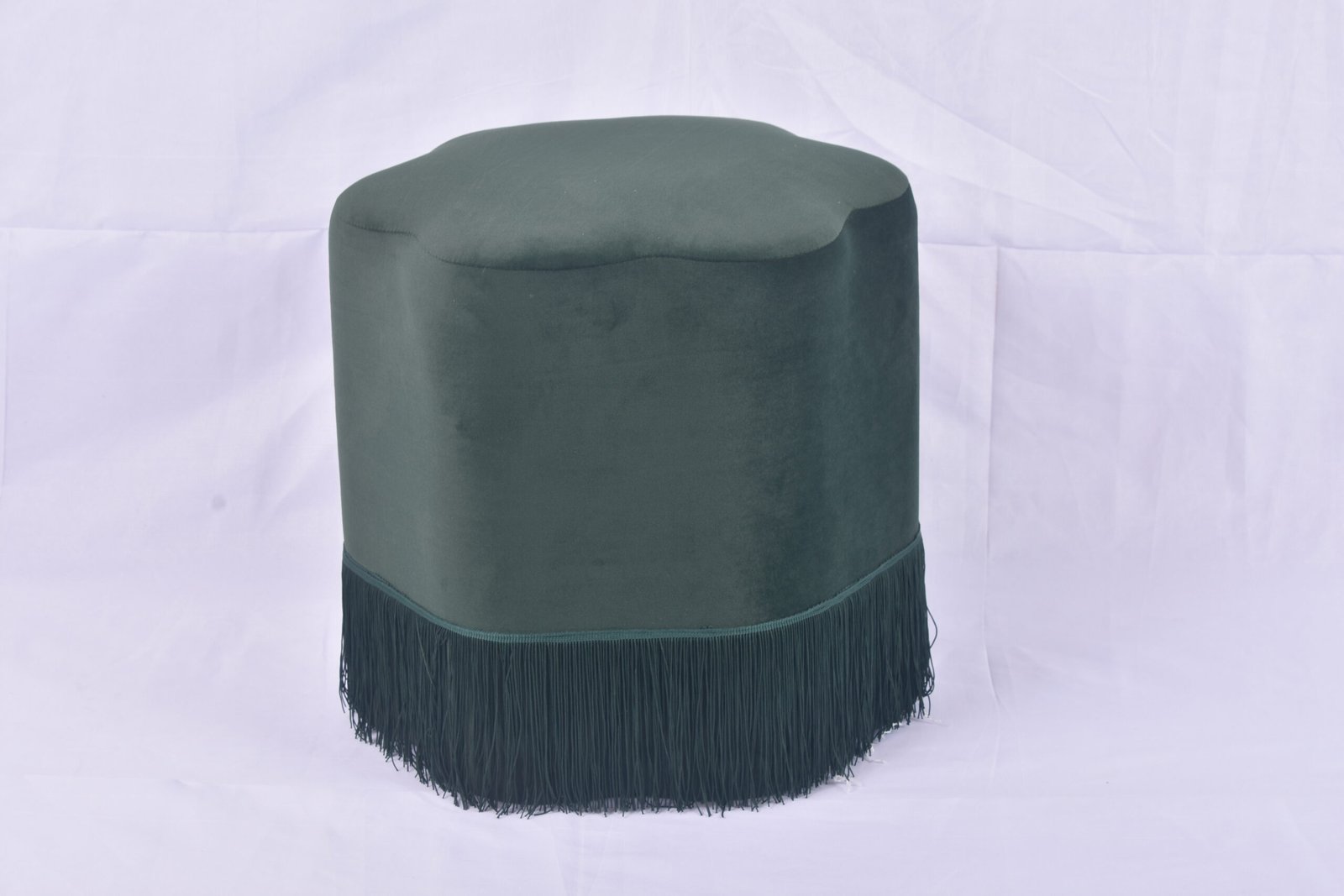
the best ottoman program is the one you can reorder without anxiety
Your job as a buyer isn’t to find a cute sample. It’s to build a line that sells, ships, and replenishes clean—without costing you weeks of firefighting.
That’s why scaling storage ottoman wholesale and square shearling ottoman wholesale works best with a supplier system that combines private label clarity with ODM execution—so your brand stays consistent, your reorders stay true, and your customers keep buying what they already trust.



