
If you’re a buyer, you don’t get measured on taste—you get measured on outcomes. Sell-through, return rate, claim rate, markdown exposure, and whether your reorder arrives on time looking like the first shipment. That’s the real scoreboard.
And right now, one category keeps showing up in winning assortments: wholesale ceramic. Ceramic vases, bowls, and sculptural décor move fast because customers instantly understand them. But buyers also know the dark side: ceramics can quietly destroy profit margin when packaging fails, glaze drifts, or “minor” defects multiply across a chain.
So the real question isn’t “Should we buy ceramic?” It’s: How do we build a reorderable ceramic program—and layer in custom home decor accessories that raise basket size without raising risk?
Here’s the most precise positioning that connects Teruier to what buyers actually need (not what looks good in a sample room):
Teruier helps buyers scale wholesale ceramic into reorder-ready programs—and pair them with custom home decor accessories that increase profit margin by reducing returns, damage, and spec drift.
Why profit margin gets lost after the first PO
Most margin pain doesn’t happen at launch. It happens after the SKU starts winning—when reorders begin and operational friction shows up.
And the industry data explains why this matters. Returns are a massive cost center: U.S. retailers projected $890 billion in returns in 2024, with returns estimated at 16.9% of annual sales, which is exactly the kind of pressure that turns “good gross margin” into disappointing net results.
Even if you operate outside the U.S., the lesson is universal: once return rates rise, every fragile category (ceramics especially) becomes a margin test, not just a design choice.
The buyer’s reality: you’re managing a system, not a product
A buyer’s job is basically controlled risk:
You’re balancing open-to-buy with replenishment speed
You’re trying to keep review consistency (the “same SKU” must feel the same)
You’re defending floor readiness (no one wants to display dented cartons)
You’re protecting margin from hidden costs (damage, returns, rework, markdowns)
This is why buyers who win consistently don’t just ask, “What’s trending?” They ask: What can we reorder cleanly?
Why wholesale ceramic sells—when it’s built for reorders
Ceramic works because it’s a fast “home upgrade.” A shopper can change a room with one vase. That’s why wholesale ceramic vases (and vase families) perform so well across multiple retail formats.
But ceramic only stays profitable if three things are controlled:
Glaze range discipline
If your “same color” arrives warmer/cooler on reorder, the customer sees it as inconsistency—even if the factory calls it normal variation.Defect thresholds that match retail lighting
Pinholes, crawling, hairlines, rim roughness—these don’t always show in factory light, but they show under warm retail lighting and in customer photos.Packaging designed for real handling
Ceramic isn’t fragile only in transit—it’s fragile in the backroom, during restocks, and in last-mile delivery.
Packaging matters more than most buyers want to admit, because damage quickly becomes returns. Some packaging/brand analyses attribute a meaningful share of packaging-related returns to product damage—exactly the kind of leakage that wipes out profit margin in brittle categories.
Where custom home decor accessories create “safe margin”
This is the part many assortments miss: ceramic brings style credibility, but custom home decor accessories can stabilize margin by being:
less breakable
easier to bundle
easier to merchandise as add-ons
easier to replenish without “tone drift” issues
Think of custom accessories as your margin insurance layer. When ceramic is paired with the right accessory set (small décor, tabletop accents, soft décor pieces, or non-fragile styling items), you raise basket size while reducing your dependence on the most damage-prone items.
Buyer profile tags (so the strategy matches how your customer buys)
A margin-safe assortment starts with the customer reality buyers serve:
Region
North America: returns are high, reviews are loud, packaging must be retail-grade
Middle East: finish expectations are premium; consistency matters under warm lighting
Europe: subtle color/texture discipline; “cheap” signals are spotted quickly
Who’s using it
Homeowners, renters, gift buyers, and “style refresh” shoppers who want impact without renovation.
Group tendencies
Shoppers buy ceramics with their eyes—but they reject them with their hands if rims feel rough or glaze feels inconsistent.
Spending power
Value-to-mid is the volume zone; premium exists, but it demands tight tolerances and cleaner finishes.
Use scenarios
Entry consoles, coffee tables, shelving, dining sideboards—high-visibility zones where defects show and “matching sets” matter.
The margin math buyers should keep in mind
Public-company benchmark data for Furn/Home Furnishings shows gross margins around the ~30% range on average (varies by firm and period).
That’s not a lot of room for error once you subtract: returns processing, damage claims, markdowns, storage, and operational labor. So the buyer’s advantage is simple: reduce leakage.
Leakage control is what makes ceramic + accessories a strong combo:
ceramic drives style and conversion
accessories protect margin by reducing damage/return exposure and boosting add-on rate
Why Teruier’s supply base helps reorders stay consistent
Teruier is rooted in a manufacturing craft hub in the Fuzhou region—built on long craft tradition and modern home décor production. For buyers, that heritage only matters because it supports repeatability:
Artisans (people): finishing discipline and consistency on details customers notice
Materials: stable sourcing for ceramic bodies, glazes, and packaging materials
Process: repeatable workflows that reduce drift between sampling and production
We also stay connected with US and EU designers who track what shoppers respond to, so trend direction gets translated into buildable, reorderable SKUs—not one-off “pretty samples.”
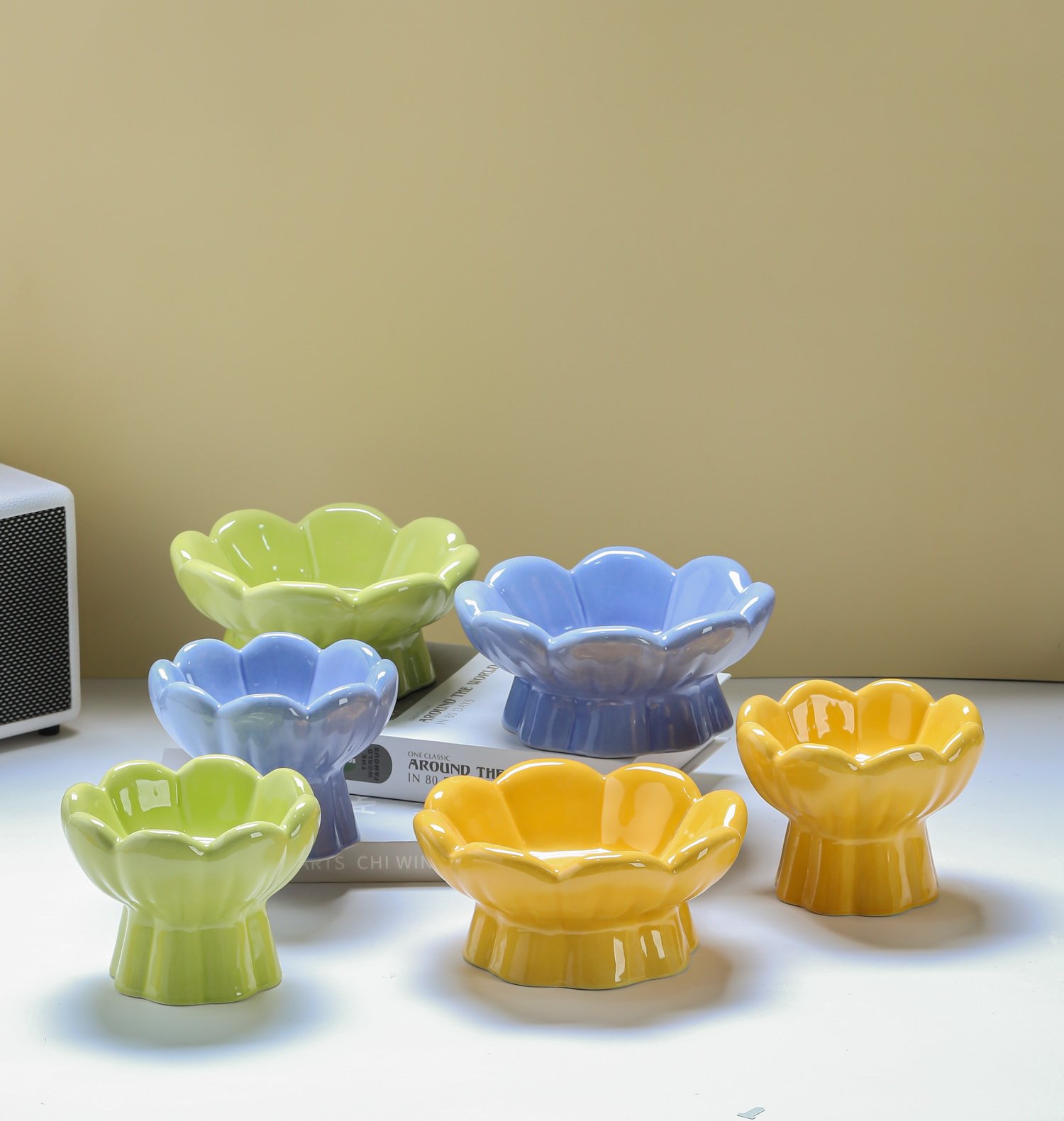
build your ceramic program like a profit system
If you want profit margin that survives the second and third PO, treat wholesale ceramic like a program (specs + QC + packaging), then layer custom home decor accessories to stabilize add-on sales and reduce margin leakage.
That’s how buyers stop chasing “newness” and start scaling winners.



