Why American and European Homes Are Embracing the Collected Look
A beautiful living room doesn’t always look as if everything was bought on the same day.
Imagine walking into a home in Brooklyn, London or Copenhagen.
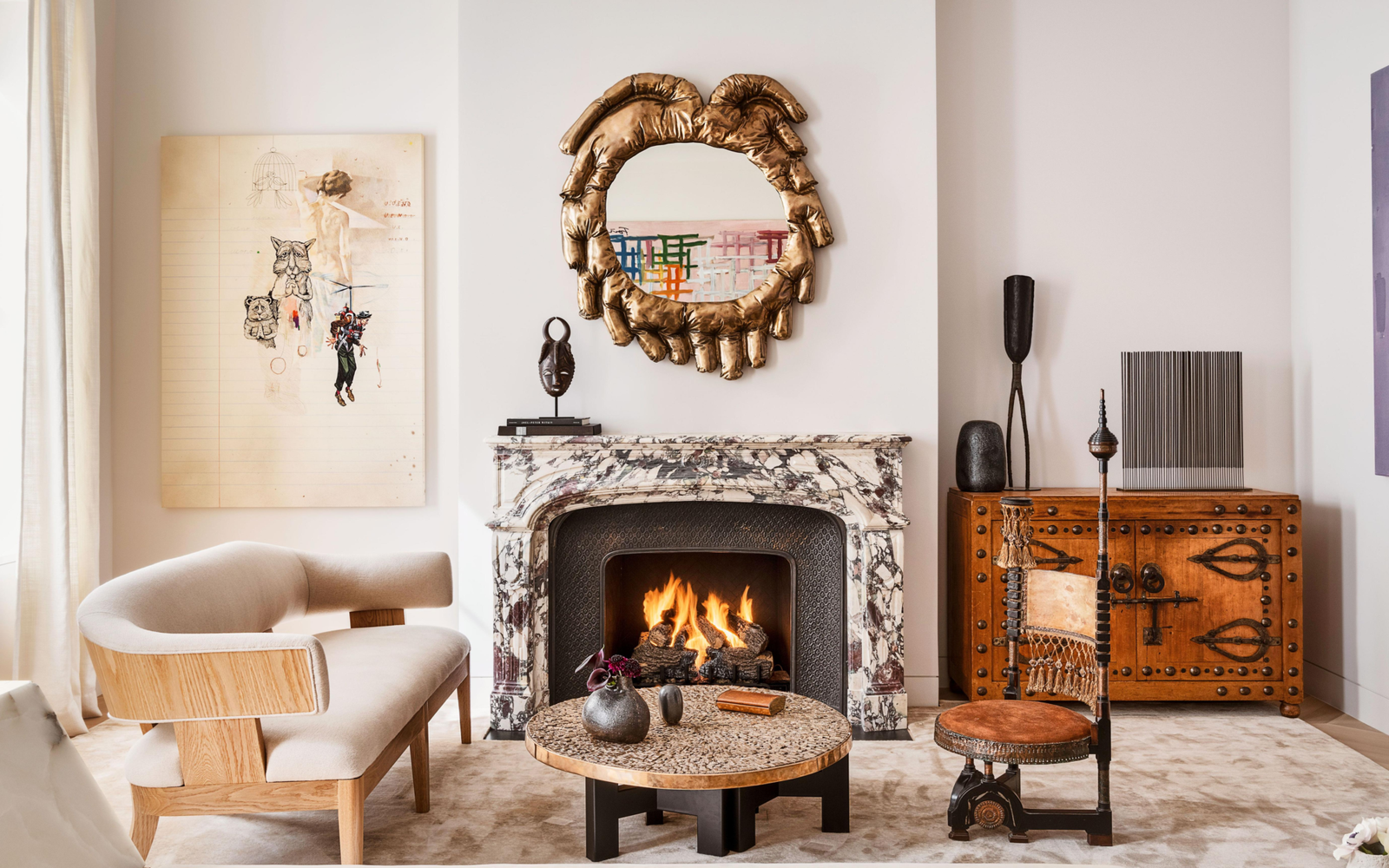
A contemporary sofa sits beside an old wooden side table. Above the fireplace hangs a sculptural mirror. A handmade ceramic vase rests on a stack of books, while a small brass object catches the afternoon light.
Nothing matches perfectly.
Yet everything belongs.
This is the appeal of the collected look — an approach to interiors that feels personal, layered and developed over time.
And for home décor retailers, it raises an interesting question:
If consumers want homes that feel less like showrooms, should retailers still be selling perfectly matched collections?
1. From Showroom Perfection to Personal Character
For years, coordinated furniture collections made decorating relatively simple.
Choose a matching coffee table, sideboard and console. Add a few accessories in the same colour. The room feels complete.
There is nothing inherently wrong with this approach. It remains useful for customers who prefer simplicity.
But a different aesthetic is gaining attention.
In its 2026 design coverage, Architectural Digest highlighted self-expression and unexpected material combinations. Houzz’s Fall 2026 report similarly identified warm, layered interiors and a preference for spaces that appear thoughtfully assembled over time.
The change is subtle but important.
A home does not need to look professionally staged to feel beautifully designed.
Sometimes, a little contrast is what makes it memorable.
2. Why Texture Matters More Than Perfect Colour Matching
Think about a room decorated entirely in beige.
Beige sofa. Beige curtains. Beige rug. Beige accessories.
The colours coordinate, but without contrast in shape, texture or material, the room can feel visually flat.
Now introduce three objects:
- A dark walnut side table.
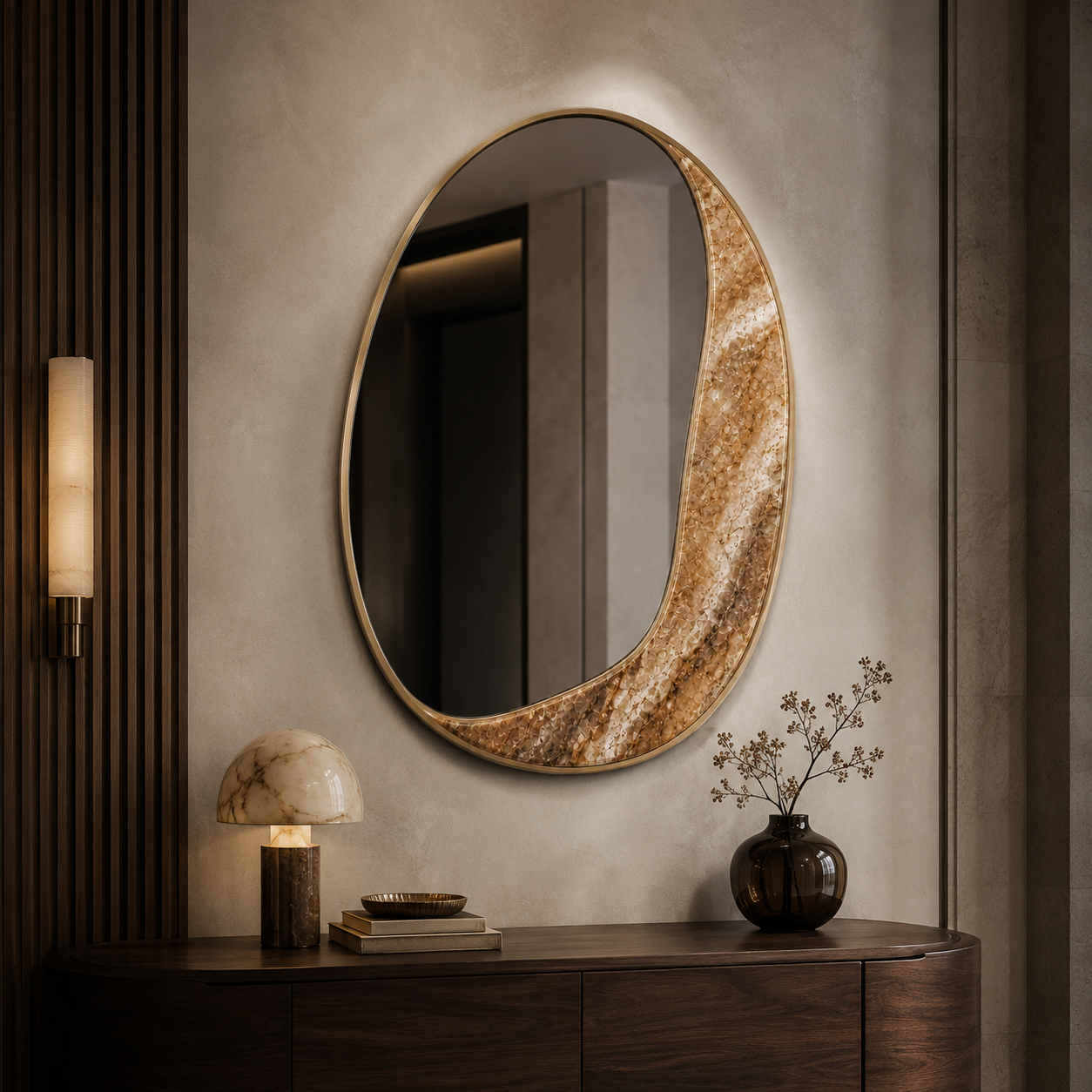
- A natural marble accent mirror.
- A softly textured ceramic vase.
The colour palette remains relatively quiet, but the materials tell different stories.
Wood brings warmth.
Marble introduces natural variation.
Ceramics add a tactile, handmade quality.
For homeowners, these differences create depth without requiring dramatic colour changes.
For retailers, they create opportunities to sell across categories rather than relying on identical product families.
3. The Most Interesting Rooms Mix Old and New
One of the strongest qualities of collected interiors is that they do not belong to a single period.
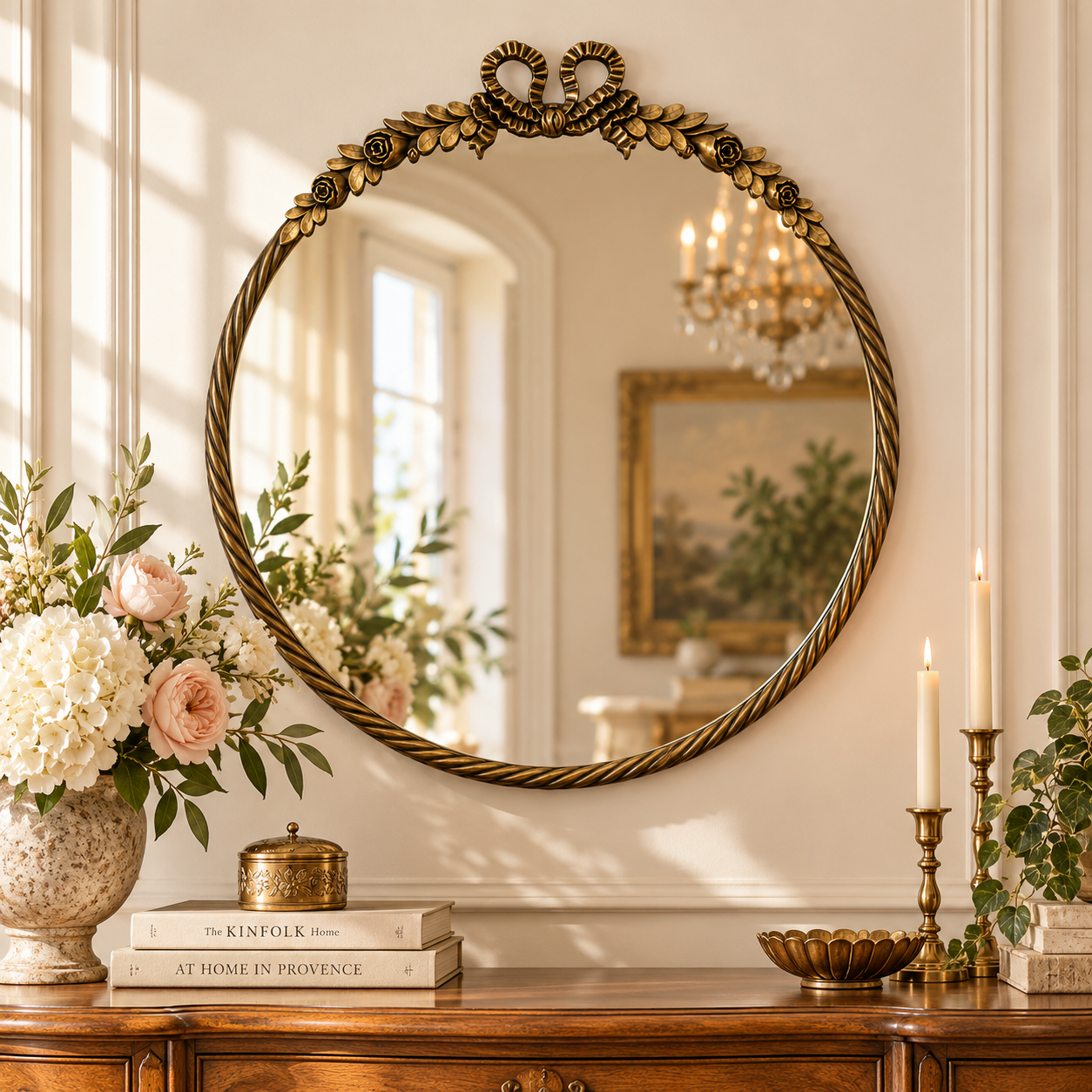
A vintage-inspired mirror can work above a modern console.
An Art Deco decorative object can sit beside a minimalist table lamp.
A contemporary upholstered stool can soften a traditional wooden interior.
The key is balance.
A room filled entirely with statement pieces can quickly become overwhelming.
A more considered approach gives one or two objects room to stand out while the rest provide visual support.
This is particularly relevant to buyers selecting decorative mirrors, accent furniture and tabletop accessories.
A product does not always need to match the collection. Sometimes, it needs to give the collection character.
4. What Makes a Decorative Object Feel Worth Keeping?
Consumers do not necessarily buy decorative objects only because they need another accessory.
A successful object may offer one of several qualities.
A recognizable silhouette. An unusual curve, sculptural frame or distinctive geometric form can make a familiar product feel fresh.
Interesting material character. Natural stone, textured ceramic, dark wood and aged-metal finishes introduce variation that flat surfaces may lack.
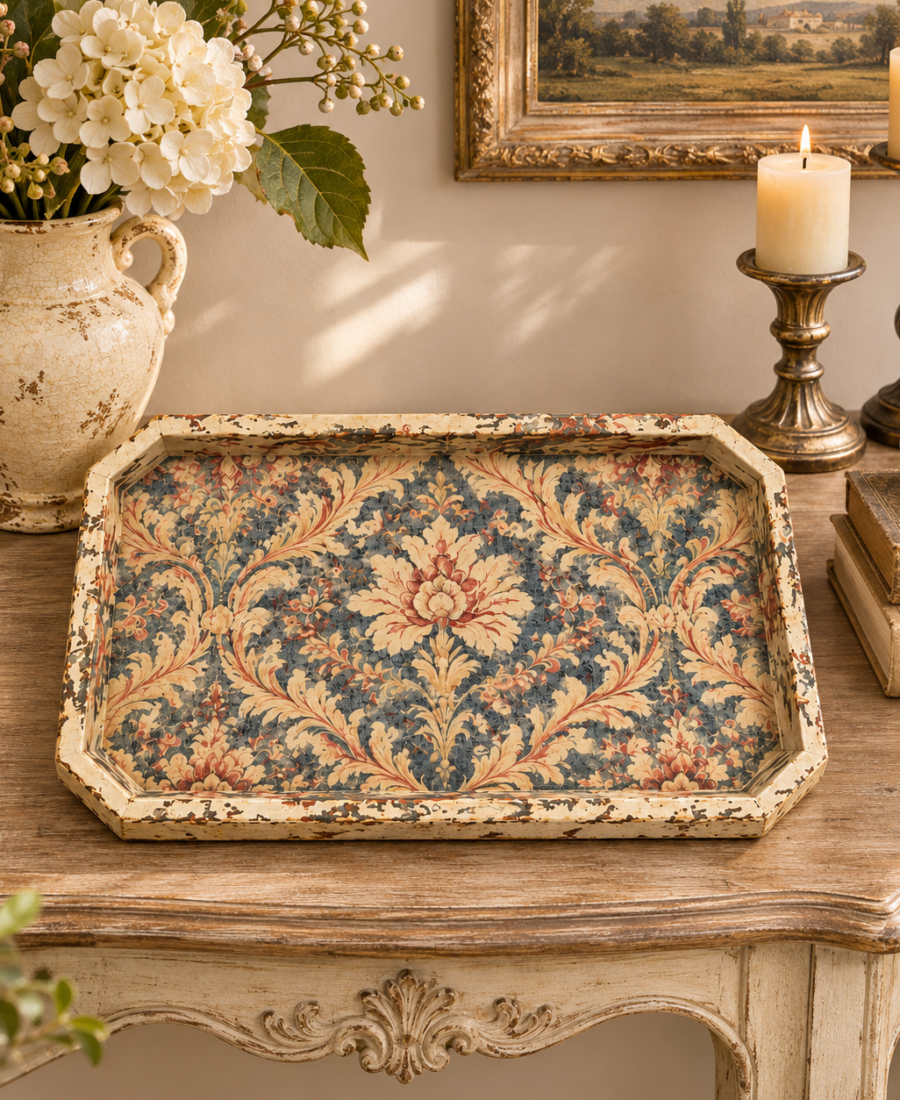
Everyday usefulness. A decorative tray, mirror or storage box often has a clearer place in the home when it combines visual appeal with a practical role.
Personal relevance. A buyer may be drawn to an object because it recalls a place, period, artistic style or memory.
For retailers, this creates an important distinction between a decorative product that merely fills shelf space and one that gives customers a reason to choose it.
5. A Lesson From Paris: Everyday Objects as Art
The January 2026 Maison&Objet fair in Paris offered a useful reference for this direction.
Among the design ideas reported from the event were expressive sculptural forms, warm neutrals, heritage craftsmanship and ordinary functional objects with elevated visual details.
The lesson for retailers is not that every product needs to become a luxury sculpture.
It is that even a relatively small household object can have a stronger identity through proportion, material and craftsmanship.
Consider a decorative box.
Its fundamental purpose is storage.
But a thoughtful finish, unusual opening detail or sculptural form may make it equally appealing as a living-room accessory.
A mirror provides another example.
Beyond reflection, its frame can introduce architectural rhythm, natural material or a visual focal point.
These qualities allow familiar product categories to participate in more personal interior settings.
6. How Retail Buyers Can Build a Collected-Look Assortment
For an American or European home décor retailer, the collected look does not necessarily require an entirely new product range.
It may require a different way of selecting and displaying existing products.
Consider a small living-room assortment:
| Product role | Suggested item | Visual purpose |
|---|---|---|
| Anchor | Natural marble accent mirror | Architectural focal point |
| Warmth | Walnut accent furniture | Rich material contrast |
| Texture | Sculptural ceramic vase | Softer handmade character |
| Detail | Brass tray or decorative object | Small reflective accent |
| Utility | Decorative storage box | Practical finishing piece |
The products should complement one another without becoming identical.
However, a convincing room display is not automatically a commercially successful assortment.
Buyers still need to evaluate price positioning, customer preferences, individual SKU demand, packaging and reorder potential.
The merchandising concept should help customers imagine the products in their own homes — not force them to purchase an entire coordinated set.
7. Where Teruier Fits Into This Design Direction
For Teruier, the collected-look direction is relevant because it connects several existing home furnishings categories.
The Aurelia Plinth Natural Marble Wall Mirror combines a mirror surface with a distinctive natural marble element.
The Aurelia Horizon Natural Marble Console Mirror offers another approach, incorporating stone accents into a horizontal mirror design.
Neither product has to be limited to an entirely marble-themed interior.
A natural marble mirror can be paired with wood furniture, upholstered seating, ceramics or decorative metal accessories.
The design conversation becomes more interesting when buyers think about how products work together across categories.
Teruier’s product development and sourcing work brings together decorative mirrors, accent furniture, tabletop décor and storage accessories, supported by design and manufacturing coordination in China.
This provides a basis for discussing material combinations, product proportions and coordinated retail presentations without requiring every SKU to share the same design.
8. Three Questions Buyers Should Ask for 2027
Before adding another decorative product to a retail collection, consider:
Does the product have character on its own?
A piece should offer a clear visual or functional reason to buy it, even outside a matching collection.
Can it work with products the customer already owns?
Versatility matters when consumers mix inherited, vintage and contemporary furniture.
Does it improve the retail display without overwhelming it?
One distinctive object may create more visual interest than five similar accessories.
The objective is not to abandon coordinated collections.
It is to create collections with enough flexibility for customers to make them their own.
Frequently Asked Questions
What is the collected look in interior design?
The collected look is an interior approach that combines objects, materials and furniture from different styles or periods to create a personal, layered atmosphere.
Is matching furniture going out of style?
Not entirely. Matching furniture remains practical for many consumers. However, current design reporting shows growing interest in interiors that mix textures, materials and periods rather than relying exclusively on coordinated sets.
Which home décor products work well in collected interiors?
Decorative mirrors, accent furniture, ceramics, sculptural objects, trays and storage accessories can all contribute. The best choices depend on proportion, material contrast and the existing room.
How can retailers merchandise different home décor styles together?
Start with a consistent colour atmosphere or material relationship, then introduce controlled contrasts in shape, texture and design period.
Can wholesale buyers develop products for this style?
Yes. Buyers can explore distinctive silhouettes, finishes, materials and coordinated product roles while reviewing manufacturing feasibility and commercial requirements with suppliers.
Final Thought: A Home Should Look Like Someone Lives There
The most memorable interiors are not always the most perfectly coordinated.
They often contain something unexpected.
A stone mirror beside an old wooden table.
A contemporary sculpture near a vintage chair.
A small decorative object that feels as if it has always belonged.
For homeowners, these details create personality.
For retailers, they offer a reason to look beyond matching sets and think more carefully about the individual character of every product.
The future of home décor may be less about making everything match — and more about helping everything belong.
Teruier works with international retailers, home décor brands, importers and designers to develop decorative mirrors, accent furniture and home accessories for varied interior styles and commercial requirements.
Explore Teruier’s collections and discuss new product development or wholesale sourcing opportunities with our team.