
Nice products are everywhere. Good assortments are rarer.
Retail buyers are shown nice products every day.
An oyster plate decor piece.
A swivel ottoman.
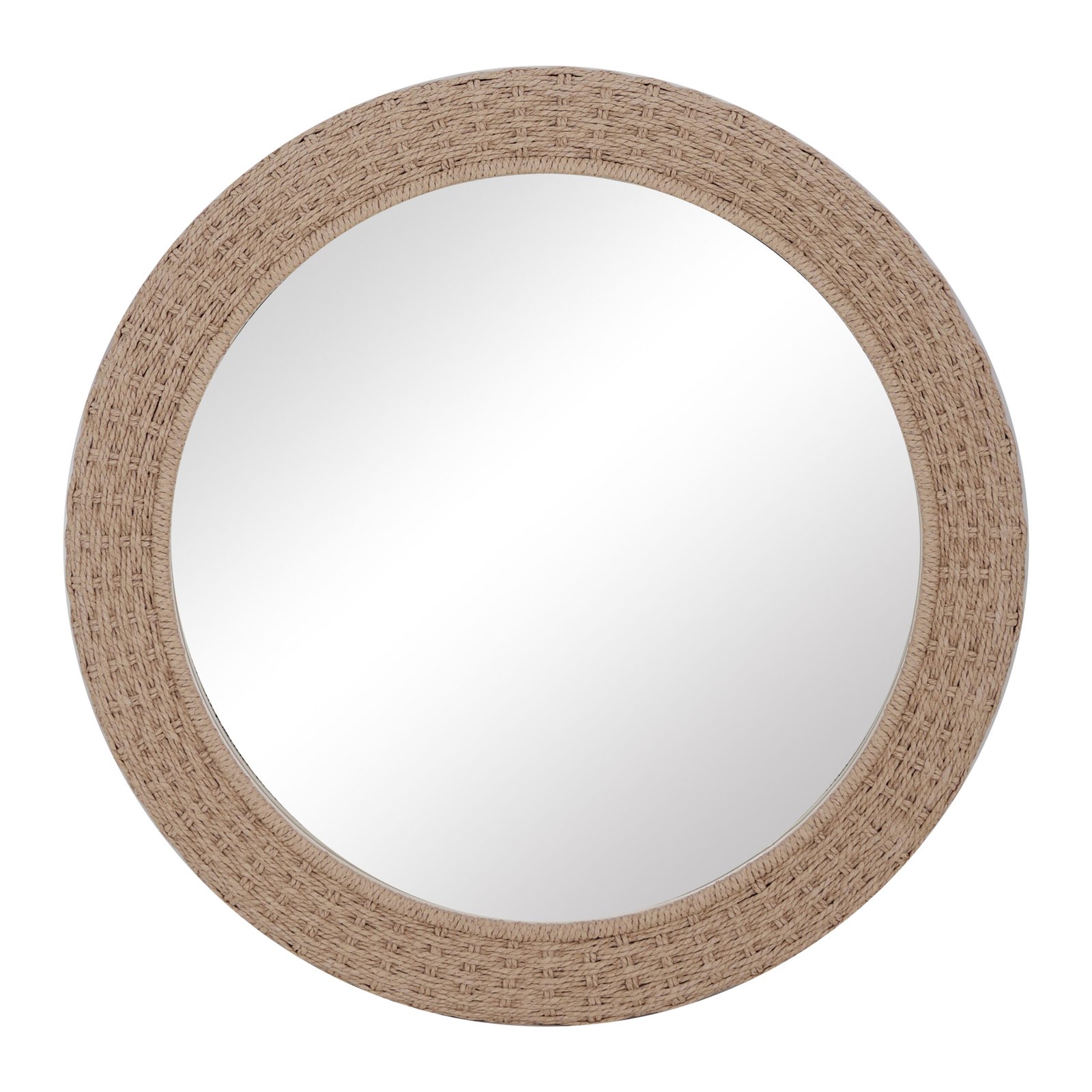
An antiqued mirror alternative distressed mirror.
An artichoke ceramic decor object.
A fish motif ceramic platter.
All charming. All photogenic. All very capable of looking good for five seconds in a supplier presentation.
The problem is this: German retail buyers do not make money from isolated nice items. They make money from assortments that customers understand quickly, stores can display easily, and suppliers can repeat without creating quality drama.
That is why home decor materials and finishes matter.
Not as decoration.
As commercial structure.
Because a product with the wrong glaze, wrong fabric, wrong mirror finish or wrong shelf role does not just look slightly off.
It becomes harder to sell.
What are home decor materials and finishes?
Home decor materials and finishes refer to the materials, textures, coatings, colours, glazes, fabrics and surface treatments that define how a home décor product looks, feels and fits into an assortment.
They include:
- ceramic glaze finishes
- mirror frame finishes
- distressed mirror effects
- ottoman upholstery materials
- metal coatings
- matte or glossy surfaces
- carved or moulded textures
- natural and food-inspired motifs
- packaging-sensitive surface finishes
For retail buyers, materials and finishes affect:
- shelf presentation
- customer trust
- perceived value
- reorder stability
- product explanation
- assortment coordination
- return risk
A customer may not say, “This glaze has weak commercial tolerance.”
They will simply say, “It looks cheap.”
Same problem. Less polite.
Cohesive home decor materials and finishes: the real buyer skill
Cohesive home decor materials and finishes do not mean every product must match perfectly.
That would be boring. Also slightly hotel-lobby.
It means products should look like they belong to the same retail story.
For example:
| Retail Story | Product Mix | Material Logic |
|---|---|---|
| Coastal Table Story | oyster plate decor + fish motif ceramic platter | shell, sea, soft glaze, light colour |
| Warm Natural Shelf | artichoke ceramic decor + matte vase + wood tray | organic shape, warm ceramic, natural surface |
| Soft Living Room Corner | swivel ottoman + distressed mirror | fabric texture + aged reflective finish |
| Boutique Wall Story | antiqued mirror + ceramic accents | vintage surface + crafted detail |
| Seasonal Accent Table | fish platter + oyster plate + small ceramic object | easy giftable table décor |
This is retail buying discipline.
Not just “I like this product.”
More like: “This product helps the customer understand the shelf.”
That is a better reason to buy.
Oyster plate decor: small product, clear story
Oyster plate decor works because it is easy to understand.
It can fit:
- coastal home décor
- summer table styling
- boutique gift assortments
- restaurant-inspired retail displays
- small decorative shelf stories
German buyers should check:
- shell shape clarity
- glaze colour
- edge thickness
- surface smoothness
- decorative or food-use positioning
- individual packaging
- reorder colour consistency
An oyster plate should feel charming and crafted.
It should not feel like a shell-shaped afterthought made because someone saw a trend and got overexcited.
Small decorative products need clarity. Otherwise they become shelf clutter with a theme.
Fish motif ceramic platter: useful, if not too childish
A fish motif ceramic platter can work well in coastal, Mediterranean, summer, restaurant-style and gifting assortments.
It gives the shelf a clear visual hook.
But buyers need to control the tone.
Too elegant, and it becomes niche.
Too playful, and it becomes souvenir shop.
Too colourful, and it fights with everything around it.
German buyers should check:
| Detail | Why It Matters |
| Motif style | should feel decorative, not childish |
| Glaze finish | affects perceived quality |
| Surface use | decorative or serving use must be clear |
| Edge quality | affects handling and visual value |
| Packaging | ceramic platters chip easily |
| Reorder consistency | protects the shelf story |
A fish platter can be charming.
But the fish should not look like it is surprised to be there.
Artichoke ceramic decor: organic shape with retail value
Artichoke ceramic decor is useful because it brings shape, texture and a slightly unexpected natural motif into the assortment.
It works well for:
- kitchen styling
- console tables
- shelves
- natural home décor displays
- warm neutral assortments
- giftable ceramic ranges
Buyers should check:
- leaf detail clarity
- ceramic thickness
- glaze consistency
- base stability
- surface quality
- packaging protection
- whether the product is decorative only
An artichoke ceramic piece should look sculptural.
It should not look like a vegetable survived a glazing accident.
The difference matters.
Swivel ottoman: soft furniture with a functional promise
A swivel ottoman can be a strong retail item because it offers flexibility.
It can work in:
- dressing corners
- small living rooms
- bedrooms
- vanity areas
- compact apartments
- boutique home displays
But once a product has a function, customers expect it to function.
Shocking, I know.
German buyers should check:
- swivel mechanism
- base stability
- seat height
- fabric texture
- foam support
- stitching
- weight capacity logic
- carton protection
- fabric repeatability
A swivel ottoman should rotate smoothly.
It should not wobble like it has heard bad news.
Antiqued mirror alternative distressed mirror: vintage needs control
An antiqued mirror alternative distressed mirror can be useful for retail buyers who want a softer, more characterful wall décor direction.
It works well with:
- vintage-inspired rooms
- brass finishes
- warm ceramics
- textured ottomans
- boutique displays
- small hallway wall stories
But distressed mirrors are dangerous if the effect is not controlled.
Too little distressing looks pointless.
Too much distressing looks damaged.
The middle area is where retail value lives.
Buyers should ask:
- Is the distressing level approved?
- Is the mirror still usable?
- Can the effect repeat in reorder?
- Does the frame finish support the aged look?
- Is the packaging strong enough to protect glass and frame?
A distressed mirror should look intentionally aged.
It should not look like it had a difficult journey from the warehouse.
Retail buyer comparison: trend charm vs reorder logic
| Product | Trend Charm | Buyer Risk | Safer Retail Use |
| Oyster plate decor | coastal, giftable, easy to explain | glaze and edge variation | small accent SKU |
| Fish motif ceramic platter | strong visual hook | too playful or too fragile | seasonal table story |
| Artichoke ceramic decor | organic and sculptural | poor detail or unstable base | shelf accent |
| Swivel ottoman | flexible and functional | weak mechanism or fabric shift | small furniture hero SKU |
| Distressed mirror | vintage wall character | effect variation | accent wall décor SKU |
Good retail buying is not about avoiding risk.
It is about knowing which risk belongs to which product.
A swivel ottoman needs mechanism control.
A ceramic platter needs packaging control.
A distressed mirror needs finish control.
Different product, different headache.
How charming.
Teruier’s merchant profit solution: products must earn their place
For this article, Teruier’s merchant profit solution is the right framework.
A product should not only look attractive. It should help the merchant sell more clearly, reduce confusion and build a stronger assortment.
That means:
- oyster plate decor should fit a clear coastal or table story
- fish motif ceramic platters should have a defined retail role
- artichoke ceramic decor should add texture without becoming silly
- swivel ottomans should offer real function
- distressed mirrors should bring character with controlled finish
- materials and finishes should work together across the shelf
This is how a product becomes more than decoration.
It becomes part of a profit logic.
Less poetic. Better for business.
FAQ
What are home decor materials and finishes?
Home decor materials and finishes are the materials, textures, coatings, colours, glazes, fabrics and surface treatments that shape how a product looks, feels, sells and fits into an assortment.
Why are cohesive home decor materials and finishes important for retail buyers?
They help products work together on the shelf. A cohesive range is easier for customers to understand and easier for stores to display.
Is oyster plate decor suitable for German retail buyers?
Yes. Oyster plate decor can work well in coastal, table styling, boutique gift and summer home décor assortments. Buyers should check glaze, edge quality and packaging.
What should buyers check in a fish motif ceramic platter?
They should check motif style, glaze finish, edge quality, decorative or serving use, packaging and reorder consistency.
Is artichoke ceramic decor too niche?
Not necessarily. It works well as a small sculptural accent when the glaze, leaf detail, base stability and packaging are controlled.
What makes a swivel ottoman retail-ready?
A swivel ottoman needs a stable base, smooth rotating mechanism, good fabric, clean stitching, foam support and suitable packaging.
What is an antiqued mirror alternative distressed mirror?
It is a mirror designed with an aged or distressed reflective effect. Buyers should control the distressing level so the product looks intentional, not damaged.
How should buyers compare decorative products before ordering?
They should compare not only style, but also material quality, finish stability, packaging, customer explanation, shelf role and reorder possibility.
Final thought: retail buyers should buy the shelf story, not just the product
For German retail buyers, home decor materials and finishes are where the assortment either becomes clear or falls apart.
An oyster plate needs a table story.
A fish motif ceramic platter needs the right tone.
Artichoke ceramic decor needs controlled detail.
A swivel ottoman needs real function.
A distressed mirror needs a stable aged effect.
The best products do not stand alone shouting, “Look at me.”
They help the shelf make sense.
And when the shelf makes sense, the customer usually does not need much convincing.



