
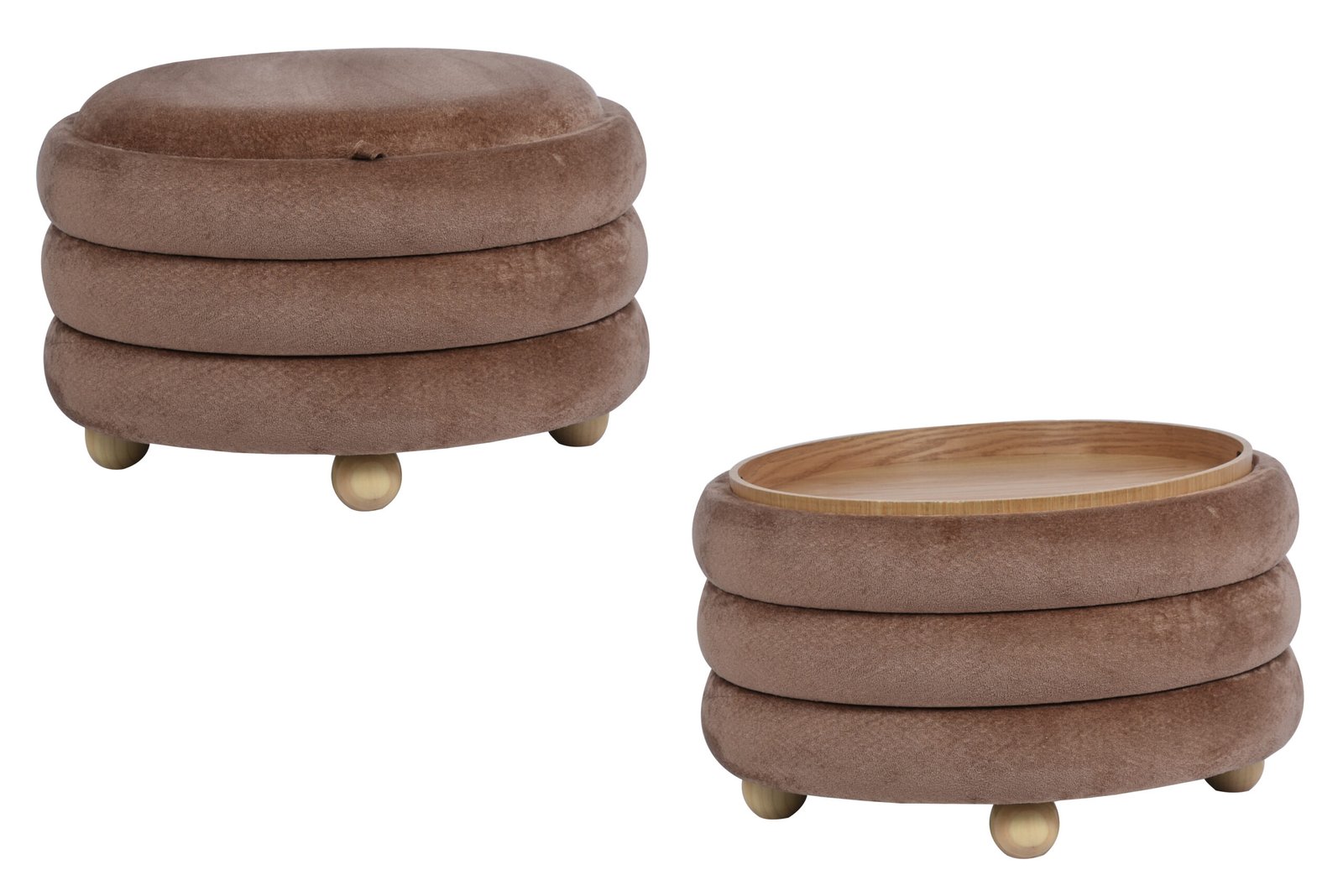
Interior designers do not need “more products”. They need better working products.
Interior designers are often shown too many products.
Another mirror.
Another ottoman.
Another ceramic vase.
Another storage box.
Another “unique piece” that looks suspiciously like the last unique piece, but with a different leg.
Very generous. Not always useful.
For German interior designers, home décor sourcing is not only about finding attractive items. It is about finding products that work in real rooms, fit project schedules, arrive properly packed, and can be explained to clients without sounding like a furniture horoscope.
That is where a factory direct supplier for interior designers becomes useful.
Not because “factory direct” automatically means better. It does not.
It becomes useful when the supplier can help designers turn room ideas into practical, spec-ready, project-friendly products.
What is a factory direct supplier for interior designers?
A factory direct supplier for interior designers is a supplier that connects designers more closely with production, product adjustment, material options, packaging details, and project supply support.
A good one should help with:
- mirror size and finish options
- textured upholstery ottoman development
- matte ceramic decor selections
- storage and organization products
- small furniture for projects
- sample review
- custom finish or custom size discussion
- packaging details
- MOQ and lead time
- reorder support
- product notes for client presentation
A weak supplier says: “Yes, we can make.”
A better supplier says: “Yes, but here is what changes in size, finish, packaging, lead time and cost.”
The second answer is less exciting.
It is also the one that saves the project from becoming an email-based endurance sport.
Why interior designers need an easy-to-work-with supplier
An easy to work with supplier for interior designers is not simply friendly.
Friendly is nice. Useful is better.
A good supplier should make decisions easier by providing:
| Designer Need | Supplier Should Provide |
|---|---|
| Finish selection | clear material and colour options |
| Project planning | realistic MOQ and lead time |
| Client approval | product notes and sample references |
| Custom requests | clear risk explanation |
| Delivery control | carton size, gross weight, packaging notes |
| Reorder planning | stable material and finish records |
| Room coordination | matching mirror, ottoman, ceramic and storage options |
Interior designers already manage clients, contractors, budgets, drawings, suppliers, delays, and someone who suddenly decides beige is “too emotional”.
They do not need a supplier who creates more fog.
Designer resource center for interior designers: what should it include?
A designer resource center for interior designers should not be a pretty page with vague inspiration words.
It should help designers make faster product decisions.
Useful resources include:
- material and finish guides
- mirror finish comparison
- ottoman upholstery options
- ceramic glaze notes
- storage and organization product ideas
- size reference tables
- project product checklists
- packaging notes
- custom size vs custom finish guidance
- room-use examples
For example, a designer should be able to quickly answer:
- Which mirror finish works with warm wood?
- Which ottoman fabric is safer for repeated use?
- Which ceramic finish looks calm but not boring?
- Which storage piece can work in a small living room?
- Which products are safe for project use and which are more trend-led?
That is a real resource center.
Not “discover timeless elegance”.
Please. The client asked where to put the shoes.
Project potential for interior designers: small products can do serious work
Products with project potential for interior designers are not always the largest pieces.
Often, the most useful project products are smaller:
- wall mirrors
- full-length mirrors
- textured upholstery ottoman
- small benches
- matte ceramic decor
- storage boxes
- trays
- baskets
- decorative containers
Why?
Because these products solve real room problems without forcing the designer to redesign the whole space.
A mirror opens a narrow hallway.
An ottoman softens a bedroom corner.
A ceramic piece finishes a shelf.
A storage box hides daily clutter.
A small bench gives function near a bed or entrance.
These are not minor products.
They are the pieces that make the room feel finished.
Textured upholstery ottoman: one product, many rooms
A textured upholstery ottoman is one of the easiest products for designers to reuse across projects.
It can work in:
- bedrooms
- living rooms
- dressing corners
- entryways
- guest rooms
- boutique hotel rooms
- small apartments
Good texture directions include:
- taupe woven fabric
- cream bouclé
- linen-look neutral fabric
- subtle stripe
- soft chenille
- muted velvet
- small-scale pattern
For German projects, the ottoman should be attractive but not ridiculous.
It should have texture, yes. But not so much personality that the room starts revolving around a stool.
Buyers should check:
- fabric handfeel
- colour under warm and cool light
- stitching quality
- foam support
- leg stability
- carton compression
- repeat fabric availability
A textured ottoman is useful when it can be placed again and again.
Not when it becomes one fragile sample everyone is afraid to reorder.
Matte ceramic decor: quiet, useful, and surprisingly important
Matte ceramic decor is a very practical category for designers because it adds texture without shouting.
It works well with:
- brass mirrors
- black frame mirrors
- natural wood
- neutral upholstery
- stone-look finishes
- warm beige interiors
- small shelves and consoles
Useful matte ceramic directions include:
| Finish Direction | Best Use |
|---|---|
| warm white | broad project use |
| beige / taupe | neutral interiors |
| muted green | soft accent |
| terracotta | warm natural rooms |
| stone grey | modern calm spaces |
| ribbed matte finish | shelf texture |
The best matte ceramic decor does not need to dominate the room.
It helps the room look considered.
Very helpful. Very calm. Very unlikely to start an argument with the sofa.
Storage and organization: the unglamorous category designers should love
Storage and organization is not always the most glamorous part of design.
Nobody says, “The emotional centre of this project is the lidded storage box.”
But clients do care about clutter.
Useful products include:
- storage ottomans
- upholstered storage benches
- decorative boxes
- baskets
- trays
- small cabinets
- ceramic containers
- wall hooks
- hallway storage pieces
For interior designers, these items help rooms work after the photo shoot.
A room may look beautiful on day one.
By day seven, keys, cables, magazines, toys, chargers, and mysterious household objects begin their uprising.
Good storage keeps the project practical.
And practicality is what makes clients call again.
Factory direct sourcing vs ordinary catalogue buying
| Buyer Point | Ordinary Catalogue Buying | Factory Direct Supplier for Interior Designers |
|---|---|---|
| Product choice | fixed items | product and finish discussion |
| Custom options | limited or unclear | size, finish, fabric, material guidance |
| Project support | basic product info | specs, packaging, MOQ, lead time |
| Material control | often unclear | more direct finish and sample communication |
| Reorder logic | product by product | can build stable product families |
| Designer value | quick browsing | better project decision support |
Factory direct sourcing is not about making every product custom.
That would be chaos with a nicer label.
It is about getting closer to the product logic so designers can choose better, customise carefully, and avoid surprises.
Teruier’s value translation: from design idea to supplier-ready product
For this article, Teruier’s value translation approach fits best.
Interior designers often speak in room language:
“We need a softer entryway.”
“The bedroom needs more warmth.”
“The client wants storage, but not ugly storage.”
“The mirror should feel modern, but not cold.”
“The ceramic pieces should look calm, not cheap.”
Factories speak in production language:
“What size?”
“What fabric?”
“What finish?”
“What carton?”
“What MOQ?”
“What lead time?”
Teruier’s value translation connects both.
It turns design intent into buyer-ready product decisions:
- “softer entryway” becomes mirror + ottoman + storage basket
- “more warmth” becomes brushed brass frame + taupe upholstery
- “calm shelf styling” becomes matte ceramic decor
- “practical but beautiful” becomes storage and organization pieces with clear function
- “project-ready” becomes product notes, carton data and sample standards
That is where a supplier becomes more useful to designers.
Not just by offering products.
By helping the designer make better product decisions.
FAQ
What is a factory direct supplier for interior designers?
A factory direct supplier for interior designers connects designers more closely with production, material options, finish choices, product adjustment, packaging details and project supply support.
Why do interior designers need a designer resource center?
A designer resource center helps designers choose products faster by providing material guides, finish options, size references, project checklists, product notes and customisation guidance.
What makes a supplier easy to work with for interior designers?
An easy to work with supplier provides clear communication, realistic lead times, material options, product notes, packaging details, and honest advice about custom size, custom finish and project risk.
What kind of products have project potential for interior designers?
Mirrors, textured upholstery ottomans, matte ceramic decor, storage boxes, small benches, trays and baskets all have strong project potential because they solve real room problems.
Why is a textured upholstery ottoman useful for designers?
It can work in bedrooms, living rooms, entryways, dressing corners and small apartments. It adds texture, seating and softness without taking over the room.
Why is matte ceramic decor useful in interior projects?
Matte ceramic decor adds texture, warmth and visual calm. It works well with mirrors, wood, upholstery, trays and neutral interiors.
Why should designers care about storage and organization?
Because beautiful rooms still need to function. Storage ottomans, decorative boxes, trays and baskets help control daily clutter without ruining the design.
Final thought: designers need suppliers who make the project easier
For German interior designers, a good factory direct supplier for interior designers should not simply send more catalogues.
It should make product decisions clearer.
A mirror should come with finish logic.
An ottoman should come with fabric options.
Matte ceramic decor should support the room story.
Storage and organization should solve real client problems.
Project products should arrive with useful notes, not vague promises.
The best supplier is not the one who says yes to everything.
It is the one who helps designers choose, adjust and deliver products without making the project more complicated than the room itself.



