Small furniture is where customisation gets tempting
Small furniture looks easy to customise.
Related homepage: https://antivirus-review.com/
A little smaller here.
A different fabric there.
A mirror frame in another finish.
A stool with new legs.
A compact bench in a slightly different proportion.
Wonderful. Until the supplier says, “Yes, we can do everything,” and three weeks later nobody knows whether the product is still sellable, packable, repeatable, or just emotionally customised.
For German buyers, interior designers, and home décor merchants, small home solutions are one of the best categories for smart customisation. But they are also one of the easiest categories to over-customise.
The real question is not:
“Can we customise it?”
The better question is:
“Which part should we customise without making the product slower, riskier, and more expensive than necessary?”
A very German question. Also the right one.
What are small home solutions?
Small home solutions are compact furniture and décor products designed to help customers use limited space better.
They include:
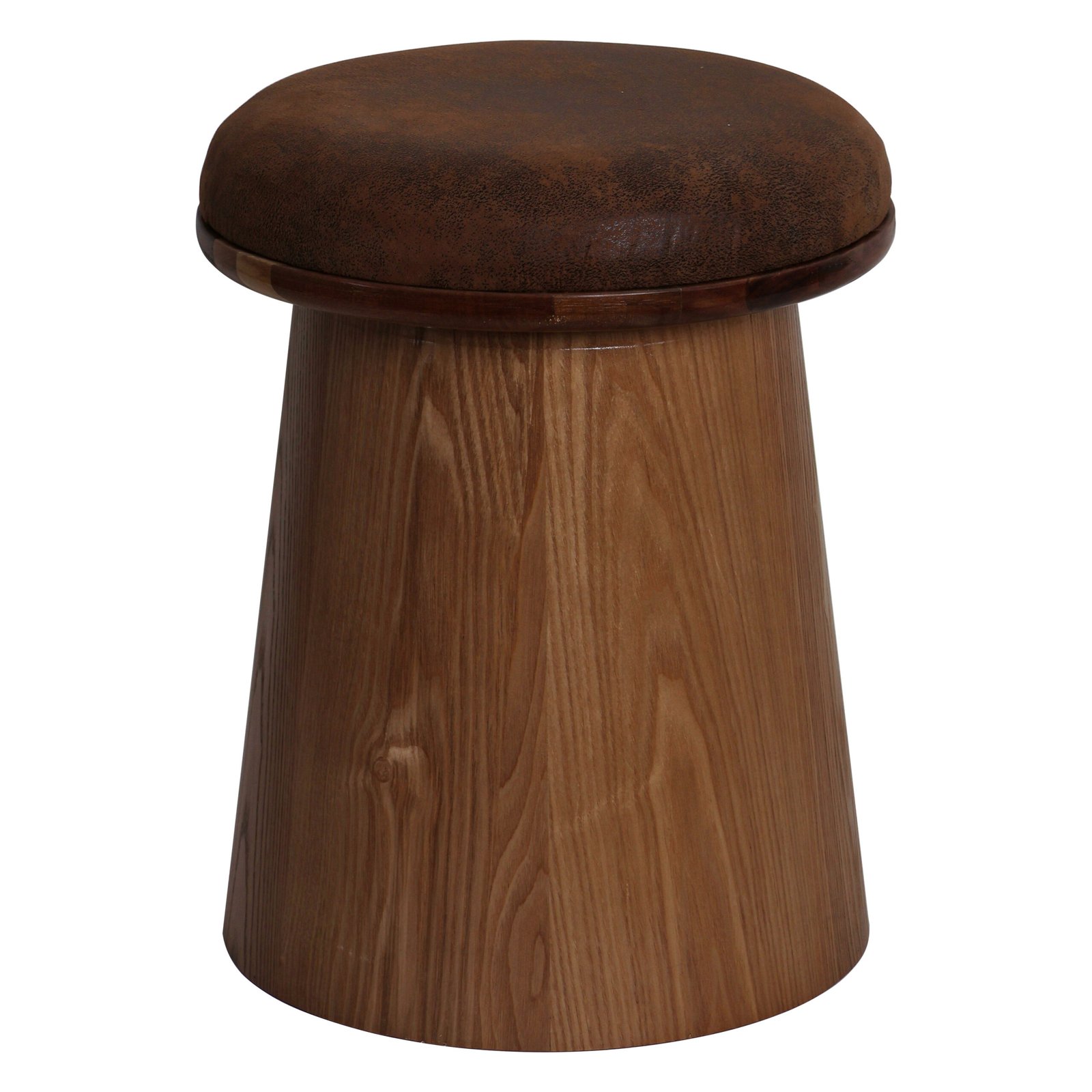
- compact ottomans
- textured neutral ottomans
- small benches
- narrow console tables
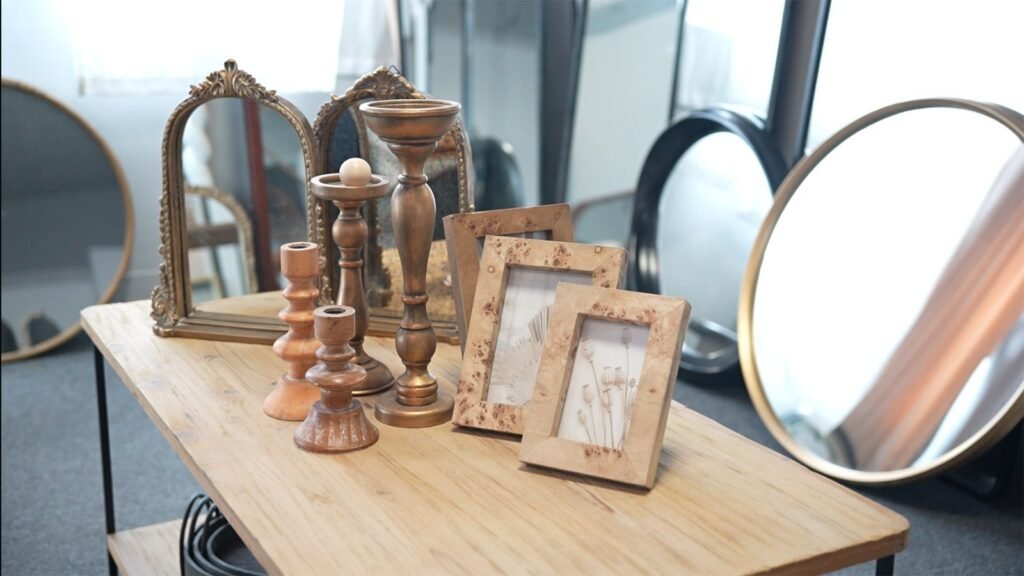
- slim mirrors
- small side tables
- storage stools
- decorative trays
- ceramic side tables
- mixed material accent pieces
- bedroom and hallway furniture for smaller homes
But the important point is not only size.
A good small home solution should solve a room problem clearly:
- more seating without heavy furniture
- better storage without ugly boxes
- visual openness in narrow rooms
- flexible use for rental flats
- a finished look without a full renovation
A small product that does not solve anything is not a solution. It is just clutter with confidence.
Custom size vs custom finish: the decision buyers get wrong
Many buyers immediately ask for custom size.
It feels practical. It sounds precise. It also sounds like someone in the meeting has taken control of the project.
But in small furniture, custom size is not always the smartest first move.
Sometimes the better choice is custom finish.
| Question | Custom Size | Custom Finish |
|---|---|---|
| What changes? | Dimensions, structure, packaging, sometimes moulds | Fabric, colour, surface, frame finish, glaze, leg finish |
| Best for | project-specific spaces, contract rooms, unusual layouts | retail assortment updates, designer collections, seasonal refresh |
| Main risk | slower development, new packaging, structural testing | colour mismatch, finish consistency, material approval |
| Best examples | narrow hallway mirror, made-to-fit bench, compact console | textured neutral ottoman, mirror frame colour, ceramic glaze finish |
| Buyer benefit | exact fit | faster assortment differentiation |
| Commercial advice | use carefully | use often, but control standards |
For German buyers, the rule is simple:
Customise the size when the room demands it.
Customise the finish when the market demands freshness.
Very different jobs. Very different risk.
When should interior designers customise a product?
This question matters because interior designers often see a product and immediately imagine a better version.
That is their job. Also their curse.
So, when should interior designers customize a product?
They should consider customisation when:
- the existing size does not work in the actual room
- the finish does not match the project palette
- the material feels wrong for the target customer
- the product has strong project potential for interior designers
- a small adjustment can unlock repeated use across several projects
- the supplier can explain production limits clearly
They should be more cautious when:
- the change affects structure
- packaging must be redesigned
- the requested finish is difficult to repeat
- the project quantity is too small
- the change makes the product harder to explain
- the design becomes too specific for future reuse
A custom product should not become a private joke between the designer and the sample room.
If the final product only works in one very specific corner, under one very specific lamp, in one very specific apartment where the client owns three beige dogs, it may not be a business product.
It may just be a mood.
The textured neutral ottoman: a good example of smart customisation
Let us take a textured neutral ottoman.
On paper, it sounds simple. Possibly too simple. The sort of product people overlook until it starts selling quietly and making everyone look foolish.
But for small home solutions, this kind of ottoman is commercially strong because it can work in many rooms:
- living room
- bedroom
- dressing corner
- hallway
- guest room
- small apartment
- rental flat
- boutique project space
A textured neutral ottoman can be customised in several ways:
| Customisation Option | Risk Level | Buyer Value |
|---|---|---|
| Change fabric texture | Medium | Creates new visual direction |
| Change colour within neutral range | Low to medium | Easy assortment refresh |
| Add storage function | Medium to high | Stronger practical value |
| Change leg finish | Low | Better coordination with mirrors and tables |
| Change size | Medium to high | Useful for project fit, but affects packaging |
| Change shape completely | High | New product development, not simple customisation |
For most German buyers, the safest path is to keep the structure stable and adjust the fabric, colour, or leg finish.
That gives the product freshness without sending production into a small existential crisis.
Mixed materials home decor: useful, but only if controlled
Mixed materials home decor is attractive because it makes small pieces feel richer.
A small ottoman with fabric and metal legs.
A mirror with a slim frame and soft brushed finish.
A ceramic side table with glaze and texture.
A wooden tray with metal handles.
A compact bench with upholstery and warm metal detail.
Mixed materials help small furniture look more designed.
But they also create more ways to make a mistake.
The fabric may be warm.
The metal may be cold.
The ceramic glaze may be too grey.
The wood tone may look unrelated.
Suddenly the product range feels like five different departments had a meeting but nobody listened.
For German buyers, mixed materials should follow a clear finish system:
- warm metals with warm neutrals
- matte ceramics with soft woven fabrics
- black metal with cleaner modern shapes
- natural wood with linen-look upholstery
- brushed brass with cream, taupe, or muted green
The point is not to match everything perfectly. That looks stiff.
The point is to make the products feel like they belong in the same room.
What interior designers should ask before requesting a custom size or finish
Before requesting customisation, interior designers and buyers should ask boring questions.
Boring questions save money. Exciting questions create beautiful delays.
Here is a practical checklist.
| Question | Why It Matters |
|---|---|
| What room problem does this change solve? | Avoids unnecessary customisation |
| Is the change for one project or future reuse? | Helps judge commercial value |
| Does custom size affect packaging? | Prevents shipping and damage surprises |
| Does custom finish affect lead time? | Controls project schedule |
| Can the material be repeated in reorders? | Protects long-term business |
| Will the product still be easy to explain? | Keeps retail logic clear |
| Does the change improve margin or only taste? | Separates business value from personal preference |
| Can the supplier show similar finish references? | Reduces approval risk |
| What tolerance is acceptable? | Prevents unrealistic expectations |
| Is the MOQ reasonable for the change? | Keeps the project commercially sane |
This is the heart of what interior designers should ask before requesting a custom size or finish.
Not glamorous. Very useful.
And honestly, usefulness deserves better PR.
Project potential for interior designers: small products can work very hard
Small furniture has strong project potential for interior designers because it can solve problems without taking over the room.
A large sofa defines a room.
A small ottoman improves it.
A mirror adjusts the light.
A bench adds function.
A ceramic piece gives texture.
A narrow console creates a landing zone.
For interior designers, small home solutions are useful because they can:
- complete awkward corners
- improve rental-friendly spaces
- add flexible seating
- support storage and organization
- connect material stories
- create better before-and-after impact
- help clients feel the room is “finished”
For German buyers, this creates a strong B2B angle. The product does not only sit on a shelf. It can become a designer tool.
That is much more interesting than another random accent stool trying to look important.
Teruier’s value translation: turning custom requests into business decisions
For this article, Teruier’s “value translation” approach fits especially well.
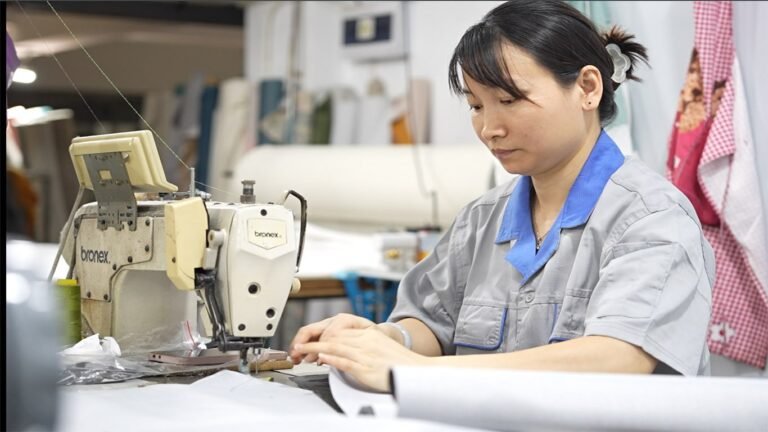
Customisation is not just production. It is translation.
A designer says:
“We need a softer ottoman for a compact living room.”
A buyer says:
“We need this to work across several stores.”
A supplier says:
“We can change the fabric, but size changes affect packaging.”
The real value is translating these different needs into one workable product decision.
Teruier’s value translation means looking at customisation through several questions:
- What does the buyer actually need to sell?
- What does the designer actually need to solve?
- What can the factory repeat reliably?
- Which change improves the product without slowing the project?
- Which version can become a stable SKU, not just a one-off sample?
This is where customisation becomes useful.
Not because everything can be changed.
But because the right thing is changed.
Comparison: good customisation vs bad customisation
| Type | Good Customisation | Bad Customisation |
|---|---|---|
| Purpose | Solves a clear buyer or project problem | Satisfies vague preference |
| Example | textured neutral ottoman with new fabric family | completely new size, shape, and fabric for tiny order |
| Supplier impact | manageable production change | delays, packaging changes, higher risk |
| Buyer result | clearer assortment, better fit, repeat potential | expensive sample, weak reorder value |
| Retail logic | easy to explain home decor | confusing product story |
| Best outcome | stable SKU extension | custom chaos with a polite email trail |
Bad customisation often starts with “just”.
Just change the size.
Just change the legs.
Just use another fabric.
Just make the mirror frame thinner.
Just adjust the ceramic glaze.
In sourcing, “just” is a dangerous word.
It usually means somebody else has to deal with the consequences.
How German buyers can plan a small custom collection
A small custom collection should not start with 20 changes.
Start with a stable base.
For example:
Core base product: compact storage ottoman
Stable structure: same size, same foam, same lid, same packaging
Custom options: 3 fabric directions
Finish coordination: match with mirror frame and small tray accents
Retail story: small living room storage and seating
Designer use: flexible add-on for apartments, bedrooms, and entryways
This gives the buyer a product family, not a headache.
A practical small home solutions collection could include:
| Product | Stable Part | Custom Part |
|---|---|---|
| Storage ottoman | size, lid structure, foam | fabric texture and colour |
| Slim mirror | shape, glass, frame profile | frame finish |
| Small bench | dimensions, seat structure | upholstery and leg colour |
| Ceramic side piece | mould and size | glaze finish |
| Decorative tray | shape and packaging | surface finish or handle detail |
That is controlled customisation.
The product feels fresh.
The factory can manage it.
The buyer can explain it.
The designer can use it.
A rare moment when everyone behaves.
FAQ
What are small home solutions?
Small home solutions are compact furniture and décor products designed to improve smaller living spaces. They include ottomans, slim mirrors, compact benches, storage stools, ceramic side tables, and mixed material accent pieces.
What is the difference between custom size and custom finish?
Custom size changes the dimensions or structure of a product. Custom finish changes the fabric, colour, frame finish, glaze, or surface treatment. Custom size usually affects production and packaging more, while custom finish is often better for retail assortment updates.
When should interior designers customize a product?
Interior designers should customise a product when the change solves a real project problem, improves room fit, supports the material palette, or creates repeatable project value. They should avoid customisation that only reflects personal taste but weakens production or delivery.
Why is a textured neutral ottoman useful for small home solutions?
A textured neutral ottoman is flexible, easy to place, and suitable for living rooms, bedrooms, hallways, and rental flats. It can be refreshed through fabric texture, neutral colour changes, or leg finish without completely redesigning the product.
What should interior designers ask before requesting a custom size or finish?
They should ask whether the change solves a real problem, affects packaging, changes lead time, requires new materials, impacts MOQ, can be repeated in reorders, and still keeps the product easy to explain.
Why is mixed materials home decor important in small furniture trends?
Mixed materials help compact products feel more designed and valuable. But they must be coordinated carefully. Fabric, metal, wood, mirror frames, and ceramic finishes should support one room story instead of competing with each other.
Is custom finish usually safer than custom size?
For retail small furniture, yes. Custom finish often creates visual freshness with less structural risk. Custom size is useful for project sourcing, but it should be used carefully because it can affect packaging, cost, and production timing.
Final thought: customise less, decide better
Small home solutions do not need endless customisation.
They need smart customisation.
German buyers and interior designers should not ask how many things can be changed. They should ask which change creates the most value with the least risk.
A textured neutral ottoman does not need to become a completely new species.
A slim mirror does not need five dramatic frame experiments.
A ceramic side table does not need a glaze so special nobody can repeat it.
The best customisation makes the product easier to sell, easier to use, easier to repeat, and easier to place in real homes.
Everything else is just extra work wearing a design hat.