
How Interior Designers Judge Whether a Home Decor Product Has Real Project Potential
Some products are very good at first impressions.
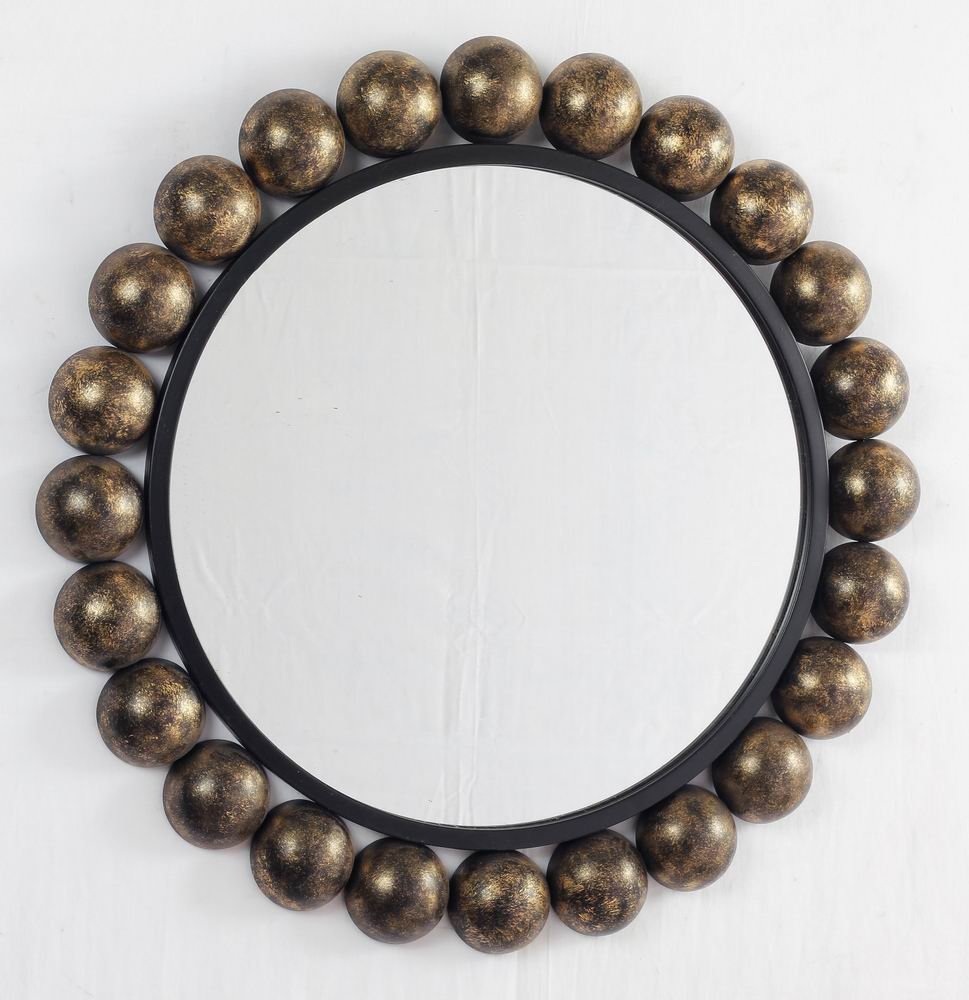
A sculptural mirror with just the right frame.
An ottoman that looks expensive in a way clients enjoy but accountants do not.
A ceramic accent piece that seems to have wandered out of a tasteful boutique hotel and into your sample presentation.
Lovely.
But here is the uncomfortable truth: a product can look fantastic and still have absolutely no real project potential.
Interior designers know this. Or rather, they learn it the hard way after enough samples, enough supplier conversations, and enough moments where something looked brilliant online and then arrived in real life with the energy of a compromise nobody meant to approve.
That is why experienced designers do not only ask, “Is this beautiful?”
They ask, “Can this actually work in a project?”
And no, those are not the same question. Not even close.
What “Project Potential” Actually Means
Let us define the phrase properly before it gets turned into another decorative internet concept.
Project potential means a product has a realistic chance of performing well in an actual design project, not just in a styled image or isolated product shot.
That includes several things at once:
The product looks right
The scale works in real rooms
The finish makes sense in context
The supplier can support the decision
The item is commercially and operationally usable
The product can survive specification, ordering, delivery, and installation without everybody developing a new personality disorder
That is project potential.
Not visual charm alone.
Not “interesting silhouette.”
Not “my client will probably like it.”
Not “this ottoman has main character energy.”
If the product cannot translate from image to execution, it does not have project potential. It has presentation potential. Which is cheaper, easier, and far less useful.
Why Designers Judge Products Differently Than Casual Buyers
A casual buyer sees a mirror and thinks: beautiful.
A designer sees a mirror and thinks:
Will the scale hold up on a real wall?
Will the finish read correctly under natural and artificial light?
Is the frame too trend-led to survive client indecision?
Can I get reliable size, finish, and delivery information?
Will the packaging protect it?
If I need a slight adjustment, will the supplier help intelligently or just say yes until things go sideways?
The same goes for an ottoman.
A casual buyer sees softness, texture, charm.
A designer sees:
Is the seat height right?
Does the upholstery story make sense for the project type?
Will this hold its shape?
Does the scale look tailored or vaguely puffy in the room?
Is it a statement piece, a flexible supporting piece, or an expensive little hazard with aspirations?
Designers do not buy for isolated admiration. They buy for fit.
That is the whole game.
Pretty Product vs. Project-Ready Product
Here is the comparison that matters.
A pretty product wins attention.
A project-ready product wins trust.
A pretty product looks strong in a photo.
A project-ready product still looks strong after you know the dimensions, finish options, lead time, packaging reality, and customization limits.
A pretty product creates enthusiasm.
A project-ready product creates confidence.
And confidence is much harder to fake.
This is where suppliers often get confused. They assume that if a piece is visually compelling enough, the rest will sort itself out. Designers know better.
The room does not care about your moodboard.
The wall does not care about your enthusiasm.
The install schedule certainly does not care that the ottoman looked “elevated” in a campaign shoot.
The product either works in the project, or it does not.
What Designers Usually Check First
Designers tend to judge project potential through a few fast filters.
First comes visual logic.
Does the product feel proportionate, current, and usable?
Is the mirror shape versatile enough for multiple interiors, or so quirky it needs a room to apologize around it?
Is the ottoman sculptural in a smart way, or just bulky in a stylish accent voice?
Then comes practical logic.
Can the supplier explain the product clearly?
Are dimensions and finish options specific?
Can the item be used in residential only, or also in hospitality and retail?
Will customization improve it, or simply give everyone extra work?
Then comes commercial logic.
Can this be repeated?
Can it be packed properly?
Can it be sampled intelligently?
Can it be sourced without the process becoming a side quest nobody budgeted for?
That combination is what separates a “nice-looking product” from one with real design value.
Why Value Translation Matters So Much
This is exactly where value translation earns its place.
A designer may look at a mirror and say, “This feels a bit too flat.”
That could mean the frame needs more depth.
Or a warmer finish.
Or a softer shape.
Or simply better styling in the presentation.
A client may look at an ottoman and say, “I want it to feel more premium.”
That could mean richer fabric.
Or a tighter silhouette.
Or a better base detail.
Or just a size correction so it stops looking like a polite afterthought.
The supplier’s job is not just to nod bravely and offer twenty-seven options. It is to translate vague visual reactions into smarter product decisions.
That is value translation in practice.
Not corporate theater.
Not polished branding language.
Actual usefulness.
And for design teams, usefulness is where trust begins.
Mirrors and Ottomans Are Great Examples of Project Potential
Mirrors are deceptive little creatures.
They look simple. They are not.
A mirror may appear perfect in a product image but fail in real use because the frame depth is underwhelming, the overall proportion feels off on the wall, the finish lacks conviction, or the packaging turns out to be optimistic in all the wrong ways.
Ottomans are no better.
They photograph beautifully because soft shapes always do. But in projects, they have to work harder. They have to sit right in the room, support the material story, feel appropriately scaled, and avoid looking like they were chosen in a panic after the larger furniture decisions had already consumed the budget and the emotional energy.
A designer evaluating either product category is not asking whether it is attractive. They are asking whether it can carry weight. Sometimes literally.
That is project potential.
What Usually Kills Project Potential
A few things ruin it quickly.
Weak proportions
Overly trendy detailing
Confusing finish language
Poor sampling support
Vague customization promises
No meaningful explanation of standard vs. custom
Packaging that seems to have been discussed only after somebody remembered gravity exists
And then there is the classic problem: a product that is trying too hard.
Some pieces are so eager to be special that they lose the ability to be useful. The mirror has a shape that only works in one aggressively curated room. The ottoman has a silhouette that screams “statement piece” but quietly whispers “I will be impossible to place twice.”
Designers notice that.
Because project potential is not just about beauty. It is about repeatable beauty. Usable beauty. Sellable beauty. Which is much less romantic and far more important.
The Difference Between Taste and Usefulness
Here is another comparison worth keeping.
Good taste helps a product get noticed.
Usefulness helps it get specified.
A designer may admire a product and still reject it. Why? Because admiration is not enough.
Maybe the supplier cannot explain the finish properly.
Maybe the lead time feels suspiciously flexible.
Maybe the proportions are too dependent on one styling angle.
Maybe the ottoman is lovely but impossible to imagine across multiple room types.
Maybe the mirror is dramatic in a way that will age badly the second the trend cycle shifts.
This is why designers are not simply hunting for standout pieces.
They are hunting for pieces that can survive contact with real work.
FAQ
What does “project potential” mean in interior design sourcing?
It means a product can realistically perform well in a real project, not just look attractive in a presentation. It has to work visually, practically, and commercially.
Why do designers judge mirrors and ottomans differently from ordinary buyers?
Because designers have to think beyond appearance. They are considering scale, material compatibility, supplier support, customization options, delivery, and how the product behaves in real rooms.
Can a beautiful product still have poor project potential?
Absolutely. That happens all the time. Some products are visually strong but hard to place, hard to customize, hard to repeat, or simply too fragile in real project conditions.
What improves a product’s project potential?
Clear dimensions, strong proportions, finish clarity, sensible customization support, reliable packaging, and a supplier who can explain the product intelligently.
Is uniqueness always good for project potential?
No. Sometimes uniqueness helps a product stand out. Sometimes it just limits where the product can work. Design value depends on fit, not novelty alone.
How can a supplier help increase project potential?
By making the product easier to understand, easier to compare, easier to adapt when necessary, and easier to specify without unnecessary risk.
The Bottom Line
Interior designers do not judge products by whether they are merely beautiful.
They judge whether those products can survive the much harder test of being useful, placeable, explainable, and executable in a real project.
That is what project potential means.
A mirror has to do more than gleam.
An ottoman has to do more than charm.
A home decor product has to do more than perform for the camera.
It has to earn its place in a room, in a sourcing plan, and in a decision chain that includes taste, budget, timing, and reality.
Which is exactly why designers are such good judges of products.
They are not looking for what merely looks good.
They are looking for what holds up after the compliments are over.



