Let’s begin with an inconvenient truth for the beige-and-boring crowd:
Not every home décor winner needs to be safe.
It needs to be memorable.
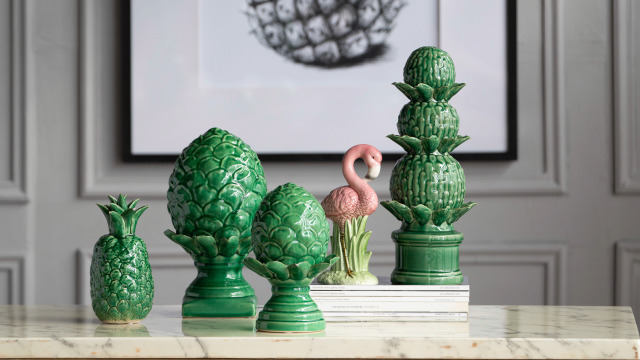
That is exactly why artichoke ceramic decor is interesting right now.
It sits in a very useful sweet spot. It is botanical, but not floral. Sculptural, but not self-important. Traditional enough to feel familiar, but odd enough to stop someone mid-scroll or mid-aisle and think, “Wait, why do I suddenly want this on my console table?”
That reaction matters.
Because this is not just about a ceramic object shaped like an artichoke. This is about a retail-ready décor program that gives buyers something they desperately need in 2026: a product with personality that still behaves commercially.
And yes, that is a rarer combination than some suppliers would like you to believe.
Why this product makes sense now
The North American market is already telling buyers where the taste is moving. NY NOW’s Winter 2026 preview highlighted bolder color, florals, and products that create emotional bonds through sensory engagement. Las Vegas Market Winter 2026 positioned itself as a major cross-category sourcing hub with 3,500+ product lines and reported strong new-buyer activity and strong order writing. That is a market environment that rewards tactile, story-driven decorative pieces more than generic “nice enough” accessories.
That is where artichoke ceramic decor earns its keep.
It feels collected.
It feels layered.
It feels like the customer has better taste than a flat-packed algorithm recommended to them.
And that is exactly the kind of object buyers use to give a shelf, a vignette, or a seasonal story some visual authority.
What this product actually is
A strong artichoke ceramic program is not just one novelty accent.
It is a sculptural home décor line built around:
- botanical geometry
- layered ceramic texture
- controlled glaze depth
- easy tabletop or shelf placement
- strong styling compatibility with both vintage and modern interiors
In a buyer-friendly assortment, this can live as:
- a standalone decorative object
- a lidded accent jar
- a shelf sculpture
- a console-table finial
- a coffee-table cluster piece
- a seasonal or Mediterranean-inspired decorative story
That flexibility is the product strategy.
It is especially useful for:
- chain home décor retailers
- gift-and-home assortments
- a community home decor store looking for one hero object with conversational value
- lifestyle retailers that need decorative pieces with more texture than another plain ceramic sphere pretending to be elevated
What old versions got wrong
Let’s be honest. The old version of this category often failed in predictable ways:
- too literal
- too glossy
- too toy-like
- too seasonal
- too green in the wrong way
- too fragile at the tips
- too inconsistent from piece to piece
This is where buyers get burned. A product that looks charming in one sample but falls apart commercially in production is not a trend piece. It is a trust problem.
That is why a serious artichoke ceramic decor program has to solve more than styling.
It has to solve:
- shape integrity
- surface clarity
- color stability
- shelf compatibility
- carton survival
- reorder predictability
The specs buyers should care about
If I am buying this product for a retail wall, I do not want vague poetry about craftsmanship. I want usable detail.
A better supplier should be able to speak in terms like these:
Material and structure
Ceramic or stoneware body, stable base, clear layered petal form, enough weight to feel premium without becoming absurd for freight.
Surface design
This category relies on relief and repetition. The “leaf” structure should be crisp enough to read at a distance and layered enough to create shadow, but not so sharp that it becomes fragile or visually messy.
Finish logic
This is where glaze consistency QC matters. Artichoke forms live on tonal variation. You want controlled depth—olive, sage, moss, muted celadon, or antiqued neutral greens—not random chaos. Slight variation can feel artisanal. Uncontrolled variation feels like the factory lost the plot halfway through the batch.
Size architecture
Good programs usually need at least two or three scale points:
- small shelf object
- medium tabletop accent
- larger statement piece
If every piece is one awkward in-between size, the buyer ends up with décor that has nowhere convincing to go.
Packaging discipline
And yes, the petals matter here. A layered artichoke silhouette creates edge-risk and pressure points in transit. A serious supplier must think through ceramic packaging to reduce breakage, especially for multi-size assortments or parcel-exposed orders. Packaging is not glamorous, but neither is explaining to a retailer why the prettiest part of the object is what chipped first. Michigan State describes packaging as a formal discipline, and academic research on e-commerce packaging continues to highlight design, logistics, and overpackaging challenges as real business issues.
What the upgraded version looks like
The upgraded version of artichoke décor does four things better than the old one:
1. It reads more sculptural
Less “kitchen novelty,” more “designed accent.”
2. It works across styles
Mediterranean, grandmillennial-adjacent, collected traditional, warm contemporary, and even slightly organic-modern settings can all use it if the glaze and proportions are right.
3. It merchandises more intelligently
It can sit beside candles, books, trays, mirrors, vases, and neutral objects without looking like it wandered in from a produce display.
4. It is built for reorder logic
Which is where a real home decor ODM supplier earns their place. Buyers do not just need a concept sample. They need production discipline, finish stability, and the ability to maintain a decorative story across multiple POs.
An illustrative Teruier selection-intelligence case
Here is the kind of product-selection scenario Teruier’s workflow is designed for.
A U.S. retailer wants a decorative capsule for late summer through holiday transition. The customer is not looking for overt seasonal décor. They want objects that feel layered, collectible, giftable, and a little smarter than standard filler accessories.
The old sourcing approach would be:
“Find a ceramic object with a botanical shape and add a green glaze.”
The better Teruier-style approach is:
- define whether the product is décor-only or décor-plus-storage
- choose which size becomes the hero and which sizes become the attach
- control the glaze tone so it works with both warm woods and painted furniture
- engineer pack-out around petal edges and top-pressure risk
- decide whether the piece belongs in decorative tabletop, shelf styling, or gift-adjacent home accents
- build an adjacent assortment that makes the product easier to place in stores
That adjacent assortment might include:
- one artichoke sculpture
- one complementary candleholder or footed bowl
- one neutral vase
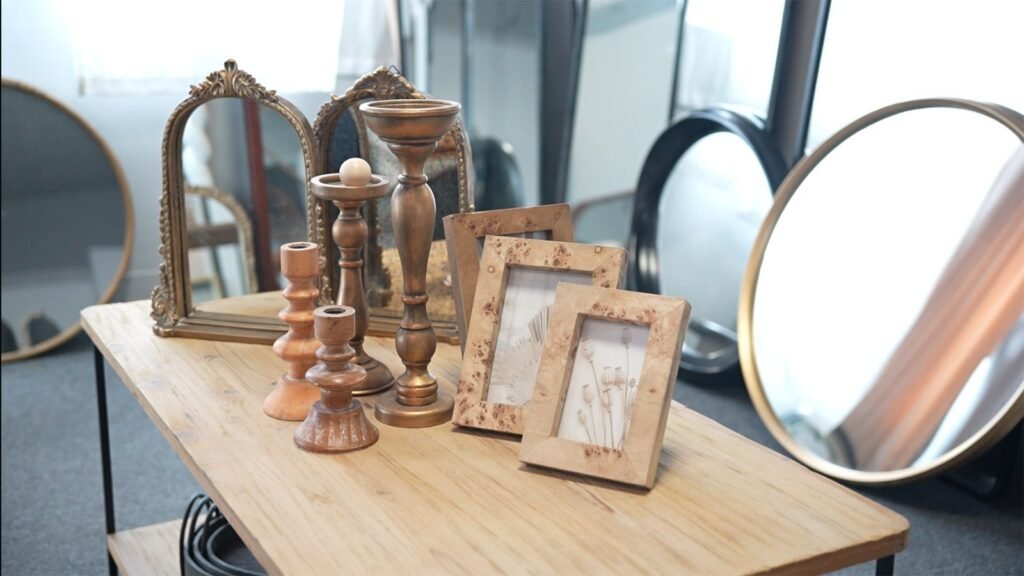
- one mirror or reflective accent to create contrast in merchandising stories
That is where the Fuzhou craft hub advantage becomes commercially useful. Buyers already understand the value of a sourcing ecosystem that can support multiple categories, materials, and finishing styles inside one coordinated story. Teruier’s role is not just to make an object—it is to translate the object into a working assortment.
Who this product is really for
Not everyone.
This is not for the buyer whose dream assortment is fifty-two shades of “safe.” This is for the buyer who understands that the best decorative SKUs often do one extra thing: they make the customer feel slightly more interesting for owning them.
That buyer could be:
- a chain-store décor buyer
- a gift-and-home buyer
- a community home decor store owner who needs standout shelf pieces
- a retailer building a Mediterranean, botanical, or heritage-texture story
- a design-led merchant who wants tactile décor without going full maximalist circus
And that profile matches the current North American mood: more expressive, more sensory, more story-driven—but still highly practical about packaging, QC, and reorder dependability.
Final word
The best decorative products are not always the loudest.
They are the ones that give a space shape, texture, and a little bit of character without begging for applause.
That is why artichoke ceramic decor works.
It is specific.
It is tactile.
It is slightly eccentric in a good way.
And when it is developed properly—with real glaze control, real packaging logic, and real assortment thinking—it becomes more than a novelty object.
It becomes a useful retail tool.
And frankly, that is a lot more valuable than another decorative blob in “modern neutral” pretending to be timeless.