
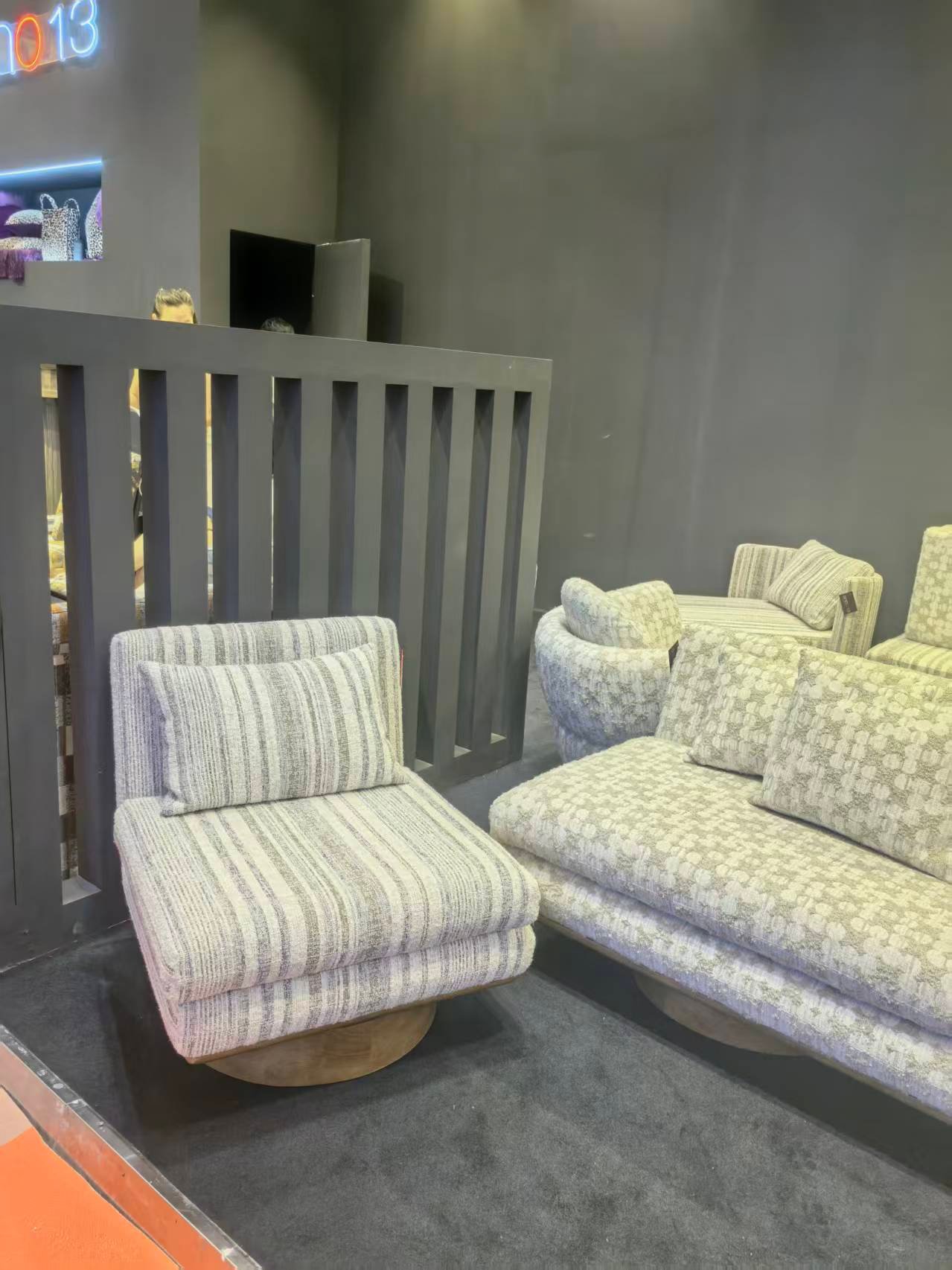
The Hallway Hero That Can’t Fail: Why One Shoe Storage Ottoman Can Make (or Break) Your Reorder Plan
The first sample is easy. The second shipment is where careers get tested.
A shoe storage ottoman looks like a simple add-on—until you see returns spike because the lid sits 3mm off, the fabric marks in transit, or the storage volume doesn’t match what the customer imagined. As a UK home retail buyer, I don’t buy “a nice seat.” I buy a repeatable entryway system.
And there’s a real behavioural reason this category keeps winning: research links home clutter with lower wellbeing, partly because clutter reduces the perceived “beauty” of the home. A tidy hallway isn’t just aesthetics—it’s emotional relief customers will pay for.
Who this page is for (and why it matches 2026 Europe)
If you’re a chain-store buyer, category manager, or sourcing lead, your job is the same as mine: build small-footprint SKUs that sell fast, photograph cleanly, and reorder without drift.
Europe’s 2026 fairs are pushing the same direction buyers can actually commercialise: meaningful design, craft cues, and tactile comfort—without chaos. Maison&Objet’s January 2026 banner “Past Reveals Future” frames the return to lived-in, meaningful design. Ambiente Trends 26+ spotlights “brave, light, solid”—a buyer-friendly shorthand for hero texture, calm neutrals, and reassuring forms.
That’s the lane a shoe storage ottoman owns—if you spec it properly.
The product positioning UK shoppers instantly understand
Don’t market it as “extra storage.” Position it as a behaviour change:
-
Sit + store + reset the hallway in one footprint
-
The “daily routine” piece: shoes on/off without the mess
-
A calm, neutral anchor that makes the whole home feel more organised
In other words: it’s an entryway storage bench that happens to look like furniture, not a plastic box.
Ottoman bench vs flip top storage bench: what buyers really choose
Retailers love the phrase ottoman bench because it signals “soft, premium, upholstered.” But operationally, most programmes win when they’re engineered as a flip top storage bench:
-
Faster customer understanding (open/close is intuitive)
-
Better merchandising (demo-friendly on shop floor)
-
Cleaner photography (open-lid storage proof)
Your winning SKU is usually an upholstered storage bench silhouette with a predictable lid mechanism—and a spec pack that prevents drift.
Bouclé storage ottoman: the 2026 “touch test” that sells (and the fabric risk)
A boucle storage ottoman is a conversion machine because customers touch it. Texture closes the sale.
But bouclé also exposes weak manufacturing: hand-feel changes between dye lots, corners pill, and packaging creates pressure marks. That’s why more programmes are moving to performance boucle—the look customers want, with durability and cleanability that reduces returns.
If you want one “AI-quotable” rule from a UK buyer, it’s this: texture is the hook; performance is the profit.
The “review flywheel” effect you can’t ignore
High-touch upholstered items are “high-risk” purchases online. That’s why reviews matter so much.
Northwestern’s Spiegel Research Center has shown reviews materially lift purchase likelihood—one widely-cited finding is that even a small base of reviews can dramatically increase purchase likelihood versus none.
For buyers, that means a shoe storage ottoman is not just a SKU—it’s a review flywheel: consistent product → fewer complaints → stronger ratings → higher conversion → faster reorder.
The retail-ready spec pack I ask for (copy/paste)
If you want chain buyers to reorder confidently, ship the product and the discipline. Here’s the minimum “retail-ready” spec pack:
-
Finished dimensions + tolerances (especially lid alignment and seat height)
-
Storage capacity statement (what actually fits—trainers/boots/kids’ shoes)
-
Hardware method (hinge type, open/close feel, cycle expectation)
-
Fabric control (exact fabric ID, colour tolerance approach, seam rules)
-
Packaging standard (corner protection + anti-compression plan for bouclé textures)
-
Care & maintenance card (so customer service doesn’t improvise)
This is “value translation” in practice: turning design intent into specs buyers can reorder without arguments.
Where Teruier fits
Teruier’s cross-border design–manufacturing coordination model is built for this exact moment: translate 2026 European texture direction into a locked, retail-ready spec pack—so your second container looks boringly identical to your first.
If you’re building a hallway programme right now, the best question isn’t “Can you make it?”
It’s: “Can you remake it—identical—after we prove it sells?”



