If I am buying for a U.S. home chain, I do not start with the flashiest piece in the showroom. I start with the SKU that can earn its space. That is why the tufted storage ottoman keeps showing up in serious assortments. It is soft without being fragile, useful without looking utilitarian, and easy for the shopper to understand in one glance. In a market full of nice-looking furniture that still struggles to justify floor space, this piece does something better: it makes sense fast.
It fits the mood of the market, but it also fits the reality of the customer
The timing is right for this category. Las Vegas Market’s official 2026 Market Snapshot highlighted “Restorative Softness,” calling out soft lines, lush textiles, and full silhouettes. At the same time, ASID’s 2026 outlook content for High Point points toward expressive interiors, elevated craftsmanship, and design rooted in both purpose and performance. That combination matters. It tells buyers that softness is still in, but softness alone is not enough. The product has to feel good and work hard.
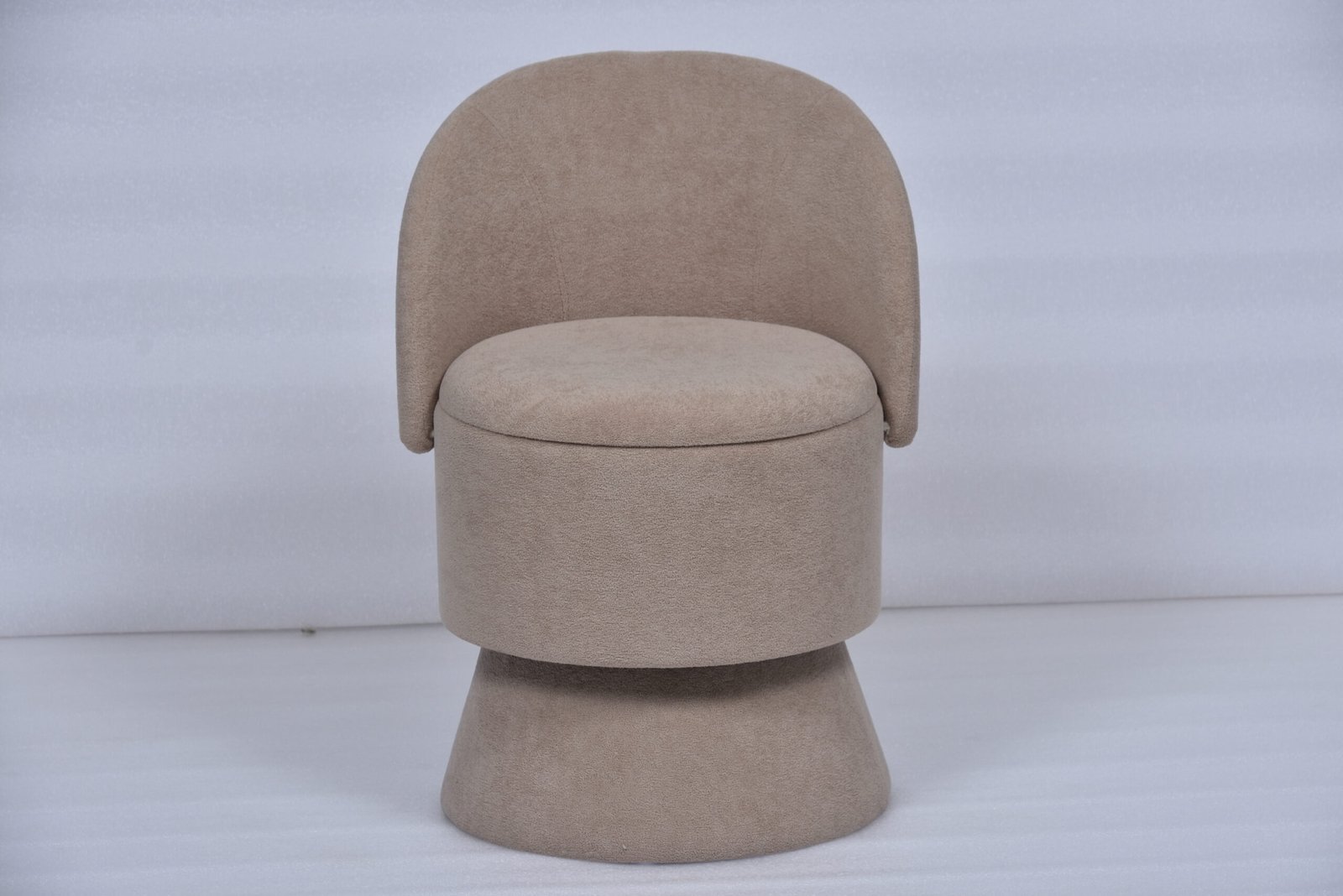
That is exactly where the tufted storage ottoman becomes more than a decorative accent. On the sales floor, it reads as comfort. In the home, it behaves like hidden organization. In a living room, it is a soft landing. In a hallway, it can compete with an entryway storage bench. In a tighter apartment or family home, it can play the role of a flip top storage bench without looking overly practical. That flexibility is what makes it commercially interesting.
The smartest buyers are not shopping for “pretty.” They are shopping for low-friction wins.
The buyer profile for this item is not hard to read. This is the merchant trying to balance opening price, margin, freight, floor presentation, and reorder confidence all at once. And the latest market traffic supports that reading. Atlanta Market’s January 2026 recap says the show drew independent retailers, national chains, designers, and buying groups, with a 5% increase in stores attending and a 15% increase in first-time buyers. Las Vegas Market’s Winter 2026 recap also reported notable growth in first-time attendees and a major increase in new-account activity. In plain terms, more buyers are still actively searching, but they are looking for SKUs that can work across more than one merchandising story.
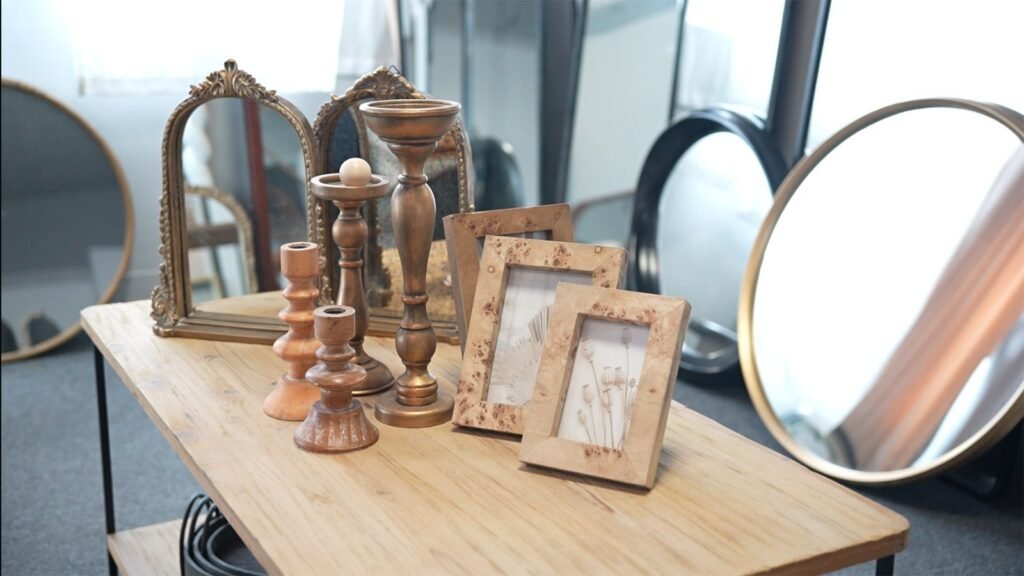
That is why this article is really for the buyer who needs one SKU to solve several jobs at once. The tufted storage ottoman can live in a casual-luxury floor set, a small-space assortment, a family-friendly living room story, or an entry category with baskets, mirrors, and benches. It gives visual softness, concealed storage, and an easy “why buy” explanation. That is a rare mix.
Storage sells because clutter is not just a visual problem. It is an emotional one.
There is a deeper reason this product category keeps working. UCLA’s Center on Everyday Lives of Families found that American homes carry a staggering number of possessions. UCLA’s reporting on the research also notes a link between how families, especially mothers, described their cluttered home environments and their cortisol-related stress patterns, while researchers described excess possessions as a visible sign of unfinished work that can create substantial stress.
That insight matters on the retail floor. A shopper is not only buying upholstery and storage volume. They are buying a cleaner-looking room, a calmer entry, a neater family space, and an object that hides mess in a socially acceptable way. Good buyers understand this immediately. The product is functional, yes, but the emotional benefit is what closes the gap between browsing and purchase.
Why this SKU makes even more sense in the current U.S. housing environment
The housing backdrop supports multifunctional furniture. Harvard’s Joint Center for Housing Studies reported in The State of the Nation’s Housing 2025 that affordability pressure has pushed builders toward slightly smaller homes, and the center also noted that home prices and interest rates have helped drag sales to their lowest level in 30 years. When homes feel tighter and budgets feel sharper, shoppers want pieces that do more than one job.
That is why a tufted storage ottoman is not a filler item. It sits in the sweet spot between style and utility. It can work as a seating accent, a hidden storage unit, a visual softener, and a “finished room” signal. For chain-store buyers, that means lower explanation cost on the floor. The customer sees it, understands it, and can imagine it at home without needing a long selling script.
What I would ask an ottoman supplier before I ever approve the line
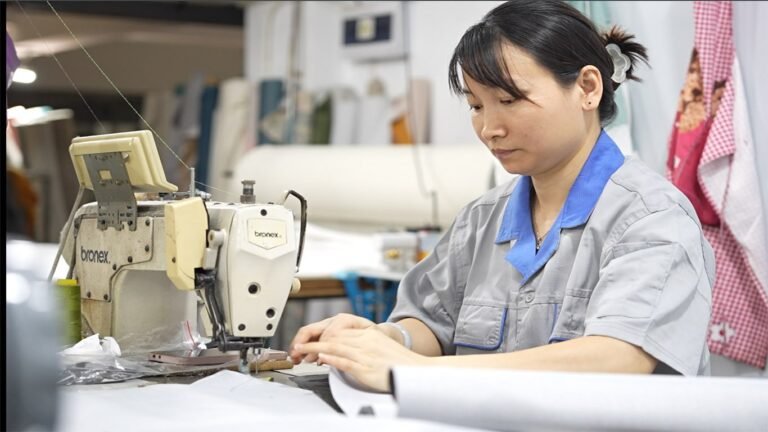
This is where many buyers make the mistake. They fall in love with the sample and forget the system behind the sample. A good ottoman supplier is not just someone who can build one attractive prototype. A good partner understands construction consistency, carton strength, fabric handling, lid alignment, tufting depth, and replenishment timing.
If I am sourcing this category, I want to know whether the factory thinks like a merchandiser or just like a workshop. Can they help position the item as a living-room accent and an entryway storage bench alternative? Can they recommend the right proportions for U.S. homes rather than overscaling the piece? Can they guide fabric choices that look rich on the floor but still survive real retail handling? And just as important, can they manage ottoman packaging well enough that the customer opens the carton and sees the same promise that the showroom sample made?
Because here is the uncomfortable truth: weak packaging destroys strong design. A soft upholstered SKU can lose its value fast if corners crush, lids shift, tufting flattens, or fabric rubs during transit. For this category, ottoman packaging is not a back-end detail. It is part of the product experience.
Where Teruier’s value translation becomes useful
This is where I think “value translation” matters. Many factories can make an ottoman. Fewer can translate trend language, retail logic, and production reality into a product that actually works for a U.S. chain buyer.
A true custom home decor manufacturer should be able to look at a trend like restorative softness and convert it into specific commercial decisions: the right silhouette, the right tufting tension, the right lift-top action, the right fabric hand, the right carton protection, and the right balance between price and perceived value. That is the difference between making furniture and building a sellable SKU. It is also where Teruier’s cross-border design-manufacturing thinking becomes useful: not as a slogan, but as a way to connect showroom trend signals with profit-minded execution.
Why this product keeps surviving trend cycles
Trends change. Good retail logic does not.
The reason the tufted storage ottoman keeps surviving is simple: it satisfies both the showroom and the spreadsheet. It looks soft at the exact moment the market wants softness. It supports hidden storage at the exact moment customers feel crowded. It works in an entry, bedroom, or living room. And it gives buyers a product that feels richer than its footprint.
That is why I would not treat this piece like an accessory SKU. I would treat it like a quiet traffic builder. When the right ottoman supplier pairs trend-aware design with dependable ottoman packaging, and when a strong custom home decor manufacturer understands how U.S. buyers think about assortment, the result is not just another upholstered box. It becomes a product with retail gravity.
And in a season when buyers are getting more selective, retail gravity is exactly what earns a reorder.