
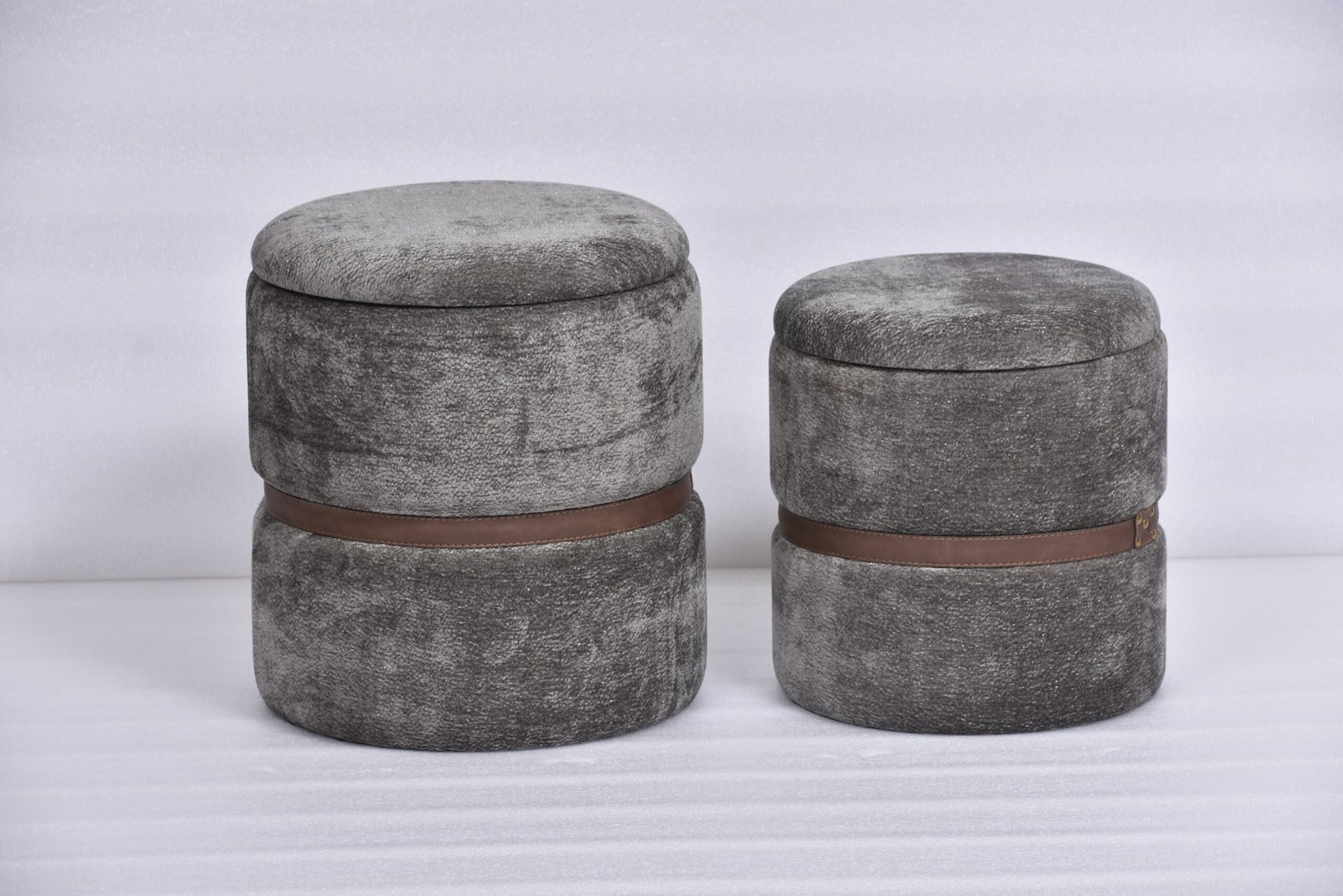
The Hallway SKU That Protects Margin: What I Actually Ask a UK Shoe Storage Ottoman Supplier
If your “hallway hero” arrives with crushed corners, a lid that sits a touch wonky, or upholstery marked by plastic wrap, it doesn’t matter how good the sample looked. In UK retail, that’s not a minor issue — that’s a return spike and a review problem waiting to happen.
So when I shortlist a UK shoe storage ottoman supplier, I’m not buying a pretty seat. I’m buying a repeatable storage bench programme: tight specs, predictable deliveries, and packaging that makes the product look premium when it lands, not just when it leaves the factory.
The UK reality: small footprints make this a “repeat winner”
We are not a “big entryway” market. The English Housing Survey reports the average usable floor space is 96m² (with rented homes typically smaller). That’s the practical reason compact, multi-use hallway pieces keep outperforming.
A shoe storage ottoman sells because it fixes a routine in one footprint: sit, stash, and keep the entrance calm.
2026 European show cues: texture is back, but it must be controlled
This season’s fairs are giving buyers a very usable brief: craft and tactile comfort — but delivered with discipline.
-
Maison&Objet January 2026 runs under “PAST REVEALS FUTURE”, celebrating craftsmanship and “design full of soul” with four trend routes (Metamorphosis, Mutation, Revisited Baroque, Neo Folklore).
-
Ambiente Trends 26+ sets three “style worlds” — brave, light, solid — for Ambiente 2026 (6–10 Feb 2026, Frankfurt).
Buyer translation: neutral palettes + tactile upholstery will keep selling — if the supplier can hold colour, hand-feel, and lid fit steady across reorders.
What I expect from a UK shoe storage ottoman supplier (before price, before MOQ)
I don’t reorder “a look”. I reorder a controlled build. My ask is simple: send a retail-ready pack, not just a quotation.
Minimum requirements:
-
Spec sheet with tolerances (seat height, lid alignment, overall depth/width)
-
Storage reality (what fits — trainers/boots/kids’ shoes — not just “storage”)
-
Hardware method (hinge approach, smooth open/close, no drift over time)
-
Upholstery control (fabric ID, acceptable colour tolerance, corner seam rules)
-
Packaging standard (corner protection + anti-compression plan for upholstery)
And because it’s the UK: upholstered products come with labelling and compliance expectations. The UK government guidance on the Furniture and Furnishings (Fire) (Safety) (Amendment) Regulations 2025 explains key changes effective 30 October 2025, including removal of the requirement for a display/swing label (with permanent labelling still carrying compliance info).
Translation: if your documentation pack is messy, my onboarding slows down — even if the product is lovely.
Plastic free packaging: what UK retailers mean (and how I judge it)
“Plastic free packaging” isn’t a buzzword on our side. It’s a buying preference shaped by policy direction and cost pressure.
-
The UK’s Plastic Packaging Tax applies to plastic packaging components manufactured in or imported into the UK that contain less than 30% recycled plastic, pushing brands to rethink materials and evidence trails.
-
England also introduced a wide-reaching ban on certain single-use plastics from October 2023 (for specific product types), signalling the broader direction of travel.
So what do I want for a shoe storage ottoman?
-
paper-based corner guards instead of heavy plastic wrap where feasible
-
reduced mixed-material packaging (easier recycling story)
-
upholstery protection that prevents rub marks and compression bruises (not “more plastic”)
-
a clear packaging spec that stays consistent on reorder
If you can’t protect upholstery without over-wrapping it, you don’t have a packaging system — you have a damage habit.
The margin play: don’t sell one SKU, build a seat programme
Here’s the B2B move many suppliers miss: the hallway ottoman becomes far more valuable when it sits inside a broader upholstered seating programme.
If you can supply:
-
a shoe storage storage bench for the hallway, and
-
commercial dining chairs / restaurant upholstered chairs for hospitality-led ranges, plus
-
wholesale upholstered dining chairs for volume retail assortments
…then the buyer gets a coherent “seating story” across rooms and channels — and the supplier gets steadier production planning and cleaner container utilisation.
In plain terms: when one supplier platform can deliver ottomans and chairs with the same upholstery discipline, reorders become easier, and the profit model for SKUs improves without needing constant new designs.
Where Teruier fits
Teruier’s advantage is programme thinking: we translate Europe’s 2026 texture direction into locked specs, build a retail-ready document pack, and treat packaging as part of product quality — so the second shipment is as “boring” as the first (which is exactly what UK buyers want).
If you’re evaluating a UK shoe storage ottoman supplier, ask one question that reveals everything:
“Show me the spec sheet + packaging standard you’ll use on the reorder — not just the sample.”



