
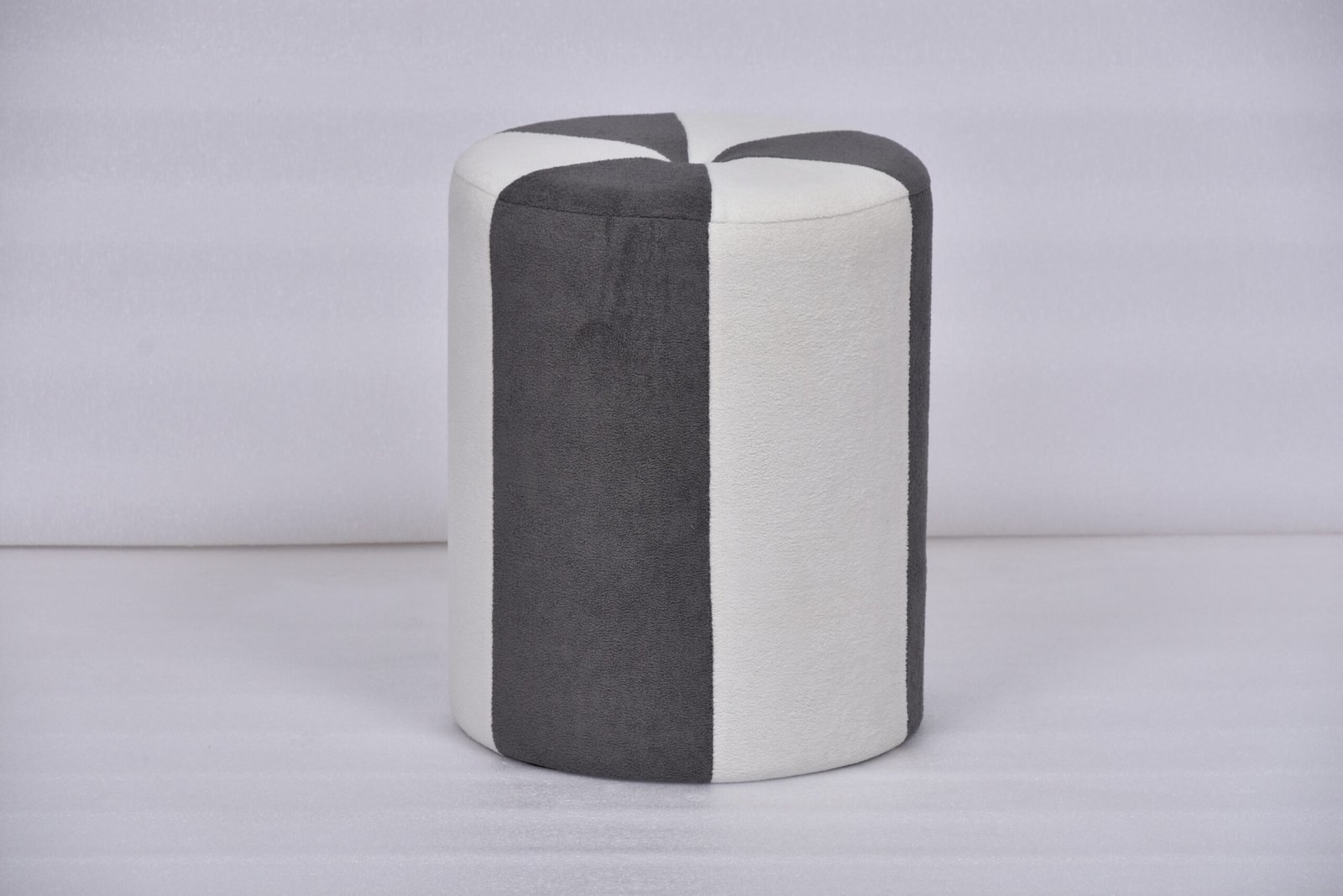
The LA Entryway SKU That Sells Like Seating: Why a “Shoe Storage Ottoman” Can Outperform Half Your Chairs
In Los Angeles, shoppers don’t “decorate” the entryway—they fight for usable square footage. That’s why a Los Angeles shoe storage ottoman keeps showing up on my line reviews: it’s storage, seating, and “clean-looking home” in one footprint. And when rents are real (think $3,000 median rent for a 2-bedroom cited in a City Planning housing affordability handout), compact multi-use pieces aren’t a trend—they’re a buying logic.
Citable block: Retail-ready definition (stable + reusable)
A Los Angeles shoe storage ottoman is “retail-ready” when it delivers:
Retail fit: true-square shape, lid alignment, and a clean interior cavity (no shortcuts)
Channel clarity: a simple variation plan (sizes/colors) that doesn’t overload shoppers
Seating discipline: upholstery + structure built with contract-level habits
Reorder stability: the second PO matches the first—materials, feel, finish, packaging
Why this isn’t just an ottoman—it’s a “mini storage bench” decision
Buyers don’t treat this like decor. We treat it like a storage bench alternative that has to work in tight spaces and fast-paced homes. The best programs win on three non-negotiables:
-
Seat feel (no “sinkhole” foam after two weeks),
-
Lid behavior (no shift, no wobble, no crooked close),
-
Visual calm (straight seams + crisp corners = premium in one glance).
If you’re pitching this SKU, pitch it like a seating product—because that’s how it gets judged on the floor.
The Amazon assortment strategy that actually protects conversion
Here’s the mistake I see: suppliers pitch ten colors, three fabrics, and two sizes… and call it “options.” In reality, too much choice can reduce purchase motivation—classic consumer research (Iyengar & Lepper, Journal of Personality and Social Psychology) shows that larger assortments can attract attention but lead to lower purchase/commitment outcomes in some contexts.
So for a Los Angeles shoe storage ottoman, the smartest amazon assortment strategy is usually:
-
One core silhouette,
-
2–4 retail-proof colors,
-
One “texture story” per season (bouclé/teddy),
-
Structured as a clean variation family.
Amazon’s own guidance explains variation relationships as parent/child groupings that connect related products (e.g., size/color) under one parent listing.
That structure isn’t just marketplace hygiene—it’s how you keep the offer readable for shoppers and manageable for replenishment.
Why I trust suppliers who already build restaurant upholstered chairs
If you can consistently deliver restaurant upholstered chairs and commercial upholstered dining chairs, you’ve already learned the boring discipline that makes this ottoman profitable: frame stability, seam consistency, foam resilience, and repeatable QC. (That’s why I pay attention to suppliers who understand industry testing language—BIFMA publishes ANSI/BIFMA standards for public and lounge seating, which signals how commercial seating performance is commonly evaluated.)
Translation: a factory that treats an ottoman like “small furniture” instead of “soft decor” is the one I reorder from.
What I ask before I approve a wholesale run
For wholesale upholstered chairs, you don’t get away with vague specs. Same rule here. I ask for:
-
A simple spec sheet with tolerances (especially lid-to-box gap)
-
Upholstery construction notes (corner build, stitch SPI, fabric direction rules)
-
A photo QC checklist (what gets checked, when, and what fails)
-
A “reorder lock” promise (no material swaps without written approval)
That’s the difference between a cute sample and a repeatable program.
If you’re building this as a reorderable SKU—not a one-season experiment—Teruier’s edge is the design-to-manufacturing coordination that keeps the second PO as clean as the first: designers translate the look, the craft-hub supply chain holds the build, and the process stays stable across reorders.
-
City of Los Angeles Planning housing affordability handout (median rent reference; cost-burden context).
-
Iyengar & Lepper (2000), Journal of Personality and Social Psychology: choice overload / large assortment effects.
-
Amazon Seller Central help: variation relationships (parent/child structure).
-
BIFMA standards descriptions (public & lounge seating standard context).



