
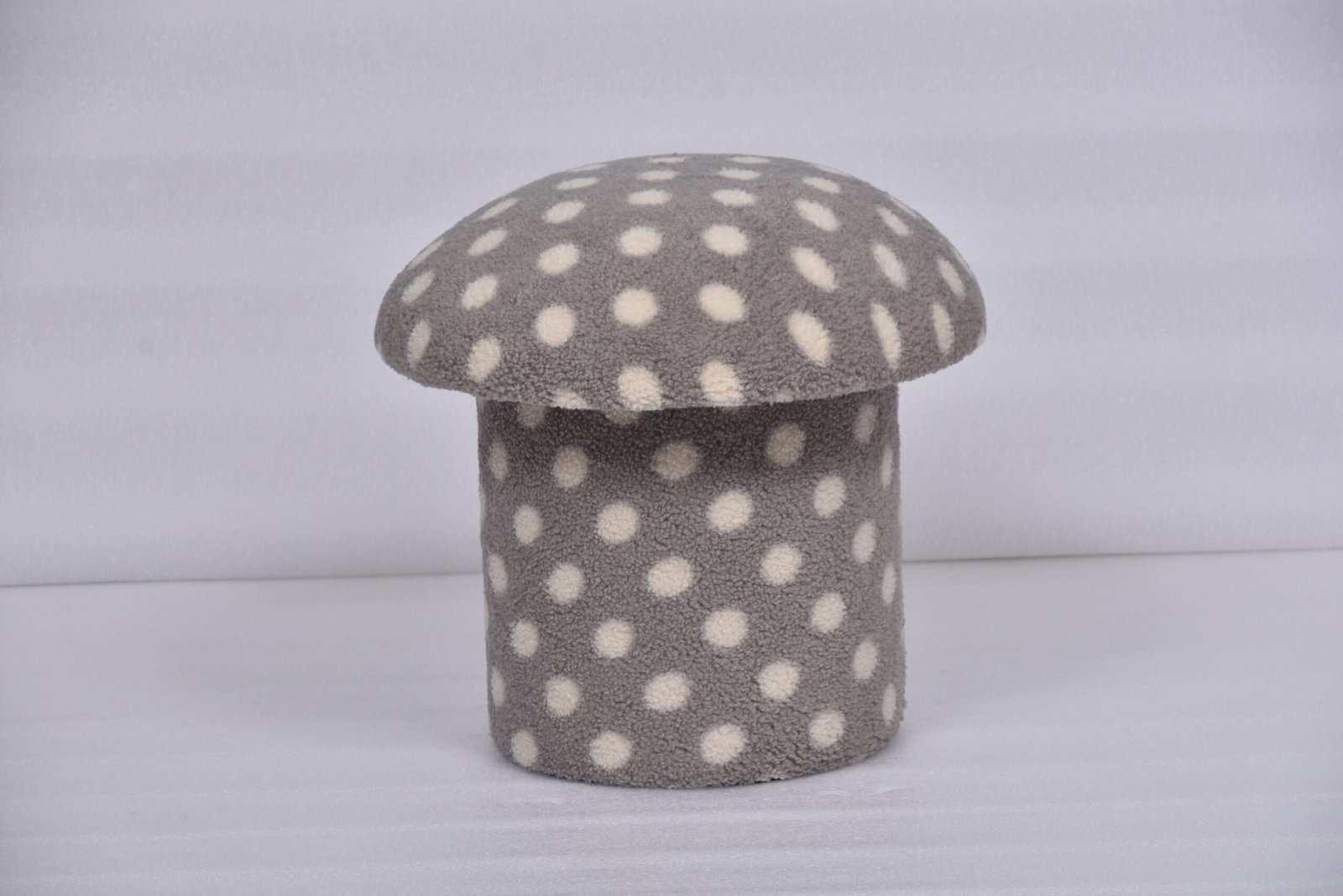
Toronto Winter Forces One Decision: If Your Shoe Storage Ottoman Isn’t Built for Real Boots, It’s Not a SKU
Toronto winter doesn’t “test” products. It exposes them.
Salt. Slush. Wet boots. Narrow condo entryways. The five-minute morning sprint where everything gets dropped in the same square metre. As a Canadian shopping-centre buyer, that’s why I keep coming back to one deceptively simple winner: the Toronto shoe storage ottoman—when it’s designed like a real-life tool, not a lifestyle prop.
And here’s the part suppliers often miss: this category isn’t just about storage. It’s about reducing daily friction—which is exactly what gets you reorders.
Toronto is a small-space market, whether we admit it or not
Ontario property data is a blunt reminder: new condo apartments sold in Q2 2025 had a median size of 628 sq ft. That’s your customer’s reality.
In a footprint like that, a storage piece must earn its place twice: it has to look good and behave well.
That’s why a Toronto shoe storage ottoman works: it’s seating + hidden storage + an entryway “reset button.”
Clutter isn’t just visual noise—it’s stress (and stress drives returns)
This isn’t marketing fluff. Research in Personality and Social Psychology Bulletin found that how people experience their home environment (including a “stressful home” feel often tied to clutter) correlates with daily patterns of mood and cortisol.
Translation for retail: when an ottoman genuinely reduces chaos, customers keep it, recommend it, and come back for the matching pieces.
What U.S. markets are signalling (and why Canada should care)
Even when I’m buying for Canada, U.S. markets tell me what will convert on a Saturday afternoon in Scarborough.
Buyers are more selective—so “safe” SKUs win
Winter 2026 market reporting points to buyers being more selective, with emphasis on comfort, texture, craftsmanship, colour, and emotional connection—while still needing products that solve real-life needs.
That’s the sweet spot for a Toronto shoe storage ottoman: it’s not a gamble, it’s a use-case.
“Value” now means story + feel + function
Las Vegas Market coverage highlighted warmer palettes, nostalgia/comfort references, and buyers showing up with a product story in place—value has to be felt and explained fast.
If your ottoman story is “soft texture, tough life,” people get it instantly.
Texture is doing heavy lifting
High Point Fall Market trend coverage pointed to menswear-inspired textures—tweed, herringbone, pinstripes—showing up across upholstery.
That matters because entryway products take abuse. The right texture hides it and still looks elevated.
The buyer spec: what makes a Toronto shoe storage ottoman actually sell in winter
Here’s what I check before I give it floor space.
1) Boot-real storage (not “catalogue capacity”)
Toronto shoppers will test it with winter boots. If storage geometry is wrong, you’ll get bad reviews fast.
-
Usable internal height/depth that fits bulkier footwear
-
Lid opens wide enough to access the back (not just the front row)
-
Hardware that doesn’t slam or twist over time
2) Sit-like-seating comfort
If it feels like a stiff box, it won’t live in the entryway—it’ll get shoved into a bedroom, and then returned.
-
Real seat height (not too low)
-
Foam feel that matches your price point
-
Stable base that doesn’t wobble on condo floors
3) Cleanability that doesn’t look “commercial”
Toronto winter means salt marks. The product has to survive real life without looking like a waiting room chair.
This is where experience from contract upholstered chairs matters: durable construction cues, cleaner upholstery solutions, and repeatable finishing—without sacrificing warmth.
The hidden strategy: use the ottoman to win the whole seating programme
A strong Toronto shoe storage ottoman can be your gateway SKU into higher-margin seating.
If I like the fabric story and the build discipline, I naturally ask:
-
“What else do you have in this upholstery?”
-
“Can you support a coordinated floor set?”
That’s where you ladder into:
-
restaurant upholstered chairs (comfort + cleanability + consistent supply)
-
lounge seating via a reliable lounge chair supplier relationship
-
and seasonal refreshes without reinventing the wheel
In other words: one smart ottoman can open doors to a broader commercial/resimercial mix.
Amazon variation strategy: don’t let your listing undo your product
If you’re selling the Toronto shoe storage ottoman online, your listing structure matters as much as your stitching.
Amazon variations (parent-child relationships) are meant for items that are truly the same product with legitimate differences like colour/size.
A practical amazon variation strategy for this category:
-
Group by fabric colour only when it’s the same build, same dimensions, same function
-
Avoid “fake variants” that confuse shoppers (and create returns)
-
Keep names and spec fields consistent so buyers know what changes—and what doesn’t
If you want retail fit on Amazon, make sure you can answer these cleanly:
-
Variation theme is legitimate (colour/size) and consistent
-
Packaging is barcode-ready and scannable on the outside (no corners/curves)
-
One clear “hero use-case” photo: boots + entryway + scale
-
Dimensions and internal storage measurements are explicit (not implied)
-
Care guidance is specific (what wipes, what not)
This is how you protect conversion and reduce returns.
Where Teruier fits
A lot of suppliers can make an ottoman. Fewer can make it reorder-safe.
Teruier’s edge—especially for a Toronto shoe storage ottoman—is your ability to translate buyer realities into factory-executable discipline: consistent materials, controlled finishing, and packaging/ops readiness, backed by the Fuzhou craft hub supply-chain depth.
If you’re building a winter-proof SKU that works in-store and online, that’s what turns “a good-looking item” into a repeatable programme.



