
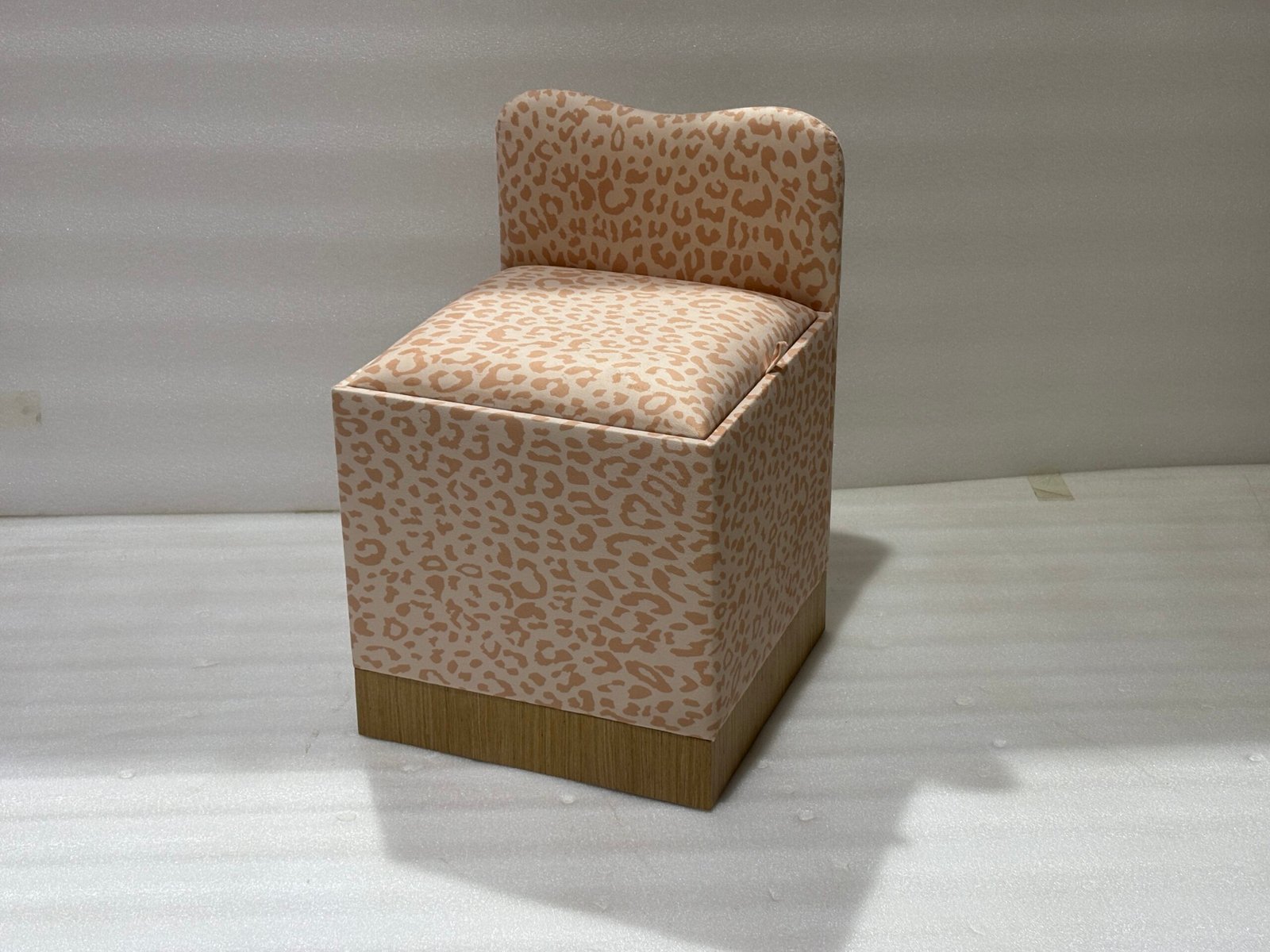
The One “Quiet” SKU I’ll Keep Reordering in 2026: The Storage Bench
If you’re selling home goods in the U.S. right now, you don’t need another “hero sofa.” You need a SKU that earns its shelf space—low explanation cost, high everyday utility, and easy add-on attachment.
That’s why I’m betting on the storage bench again this year.
Not because it’s trendy. Because it’s structurally profitable: it solves the mess at the front door, it upgrades the bedroom instantly, and it fits the way people actually live—smaller spaces, shared households, flexible routines.
And the trade-show floor agrees. High Point Market’s Spring 2026 run (Apr 25–29) is explicitly spotlighting health-based design and “style spotters” hunting what’s next across showrooms—translation: comfort + function is still the main story.
Meanwhile, Winter 2026 Las Vegas Market is bringing thousands of brands and hundreds of temporary exhibitors—buyers are scanning for items that justify inventory in a selective market.
Why the storage bench is a “buyer-safe” bet (even in a picky market)
Here’s what makes it work on the buy side:
-
It’s a “drop-zone fixer.” Mudrooms and entryways are being designed like control centers—bench + cubbies + hooks is basically the default blueprint in popular saved spaces.
-
It matches how homes are being planned. NKBA’s 2026 kitchen trends coverage points to the rise of “drop zones”/mudroom functions; Forbes’ write-up of the NKBA/KBIS report even calls out attached mudrooms at a high share of forecasts—this is the architecture pulling demand forward.
-
It aligns with macro trend forces, not micro fads. ASID’s 2026 Trends Outlook frames disruption across trade, technology, climate, and workforce—exactly the pressures that push customers to buy practical, space-smart pieces.
-
Multifunctionality is becoming a value requirement. Industry coverage going into 2026 notes shoppers “do more with less,” raising expectations for multifunctional furniture—storage benches sit right in that sweet spot.
The global demand signal I watch: “storage seating” is converging everywhere
When I see inquiries stack up across regions, I know it’s not a local blip—it’s a category wave.
In the same week I’m reviewing U.S. entryway sets, I’ll also get briefs that read like this: Los Angeles shoe storage ottoman, Chicago shoe storage ottoman, Toronto shoe storage ottoman. And yes—buyers overseas are sending similar asks like UK shoe storage ottoman supplier and Germany shoe storage ottoman supplier.
Different cities, same underlying request: sit + hide the clutter + look intentional.
Even texture stories are traveling. If you’re seeing boucle ottoman Germany pop up in mood boards, it’s the same “soft utility” trend that makes an upholstered storage bench move faster at retail—tactile comfort, not loud decoration.
My 2026 storage bench spec checklist (what gets a PO faster)
If you’re pitching to U.S. retailers, don’t lead with “handcrafted.” Lead with the specs that prevent returns.
1) Dimensions that actually fit U.S. homes
-
Entryway: slim depth, shoe-friendly clearance
-
Bedroom: end-of-bed width options (multiple sizes = wider basket fit)
2) Weight rating + real-world stability
-
A bench has to feel safe the first time someone sits to tie shoes. If it wobbles, it’s dead.
3) Storage that’s easy, not “fiddly”
-
Hinges that don’t slam, lids that open smoothly, finger-safe gaps
-
If it’s drawers: glide quality and stop mechanism
4) Upholstery that’s durable in a high-touch zone
-
Stain resistance and abrasion performance matter more than poetic fabric names
-
Bouclé look is great—but only if it survives real households
5) Packaging engineered for fewer claims
-
Corner protection, leg/hardware separation, and drop-test thinking
-
The fastest way to lose reorder status is damage claims
What I want from a supplier (the part most pitches miss)
Most suppliers sell me “a product.” The better ones sell me a repeatable outcome: consistent QC, predictable lead times, and fast iteration when the market shifts.
This is where Teruier’s approach matters: a cross-border design-and-manufacturing collaboration model that treats the SKU like a retail system—prototype speed, packaging discipline, and production control designed around reorder stability (not one-off samples).
If you want a storage bench line that survives buyer scrutiny in 2026, show me:
-
Your QC checkpoints (hinge cycles, load testing logic, carton drop approach)
-
Your packaging spec options (parcel-friendly vs. LTL, KD vs. assembled)
-
Your “versioning” ability (same frame, multiple fabrics/finishes for assortment planning)
The punchline (how I decide “reorder”)
A storage bench earns reorder status when it does three things at once:
-
Looks good in a listing photo
-
Works on day one in a real home
-
Arrives without drama
Get those right, and this “quiet” SKU becomes one of the loudest profit contributors in the aisle—because it sells as furniture, but it’s really selling relief.
And relief is always in season.



