A “Beautiful Sample” Is Easy. A Mirror Program That Never Breaks Your Timeline Is Rare.
I can fall for a mirror in five seconds. Buyers are wired that way.
But if you’re searching for a wholesale wall mirror supplier, you’re not really buying “a mirror.” You’re buying the boring things that protect profit: repeatable finish, consistent hardware, packaging that survives real transit, and specs that don’t collapse the moment you scale.
And in 2026, mirrors aren’t just décor anymore. They’re becoming lighting-adjacent, hospitality-relevant, and higher scrutiny—because that’s where design fairs are pushing the category.
What the 2026 Show Circuit Says: Heritage Shapes + Smarter Light
At Maison&Objet 2026, the theme “Past Reveals Future” wasn’t nostalgia—it was a signal: heritage forms, craft cues, and material honesty… upgraded with modern function.
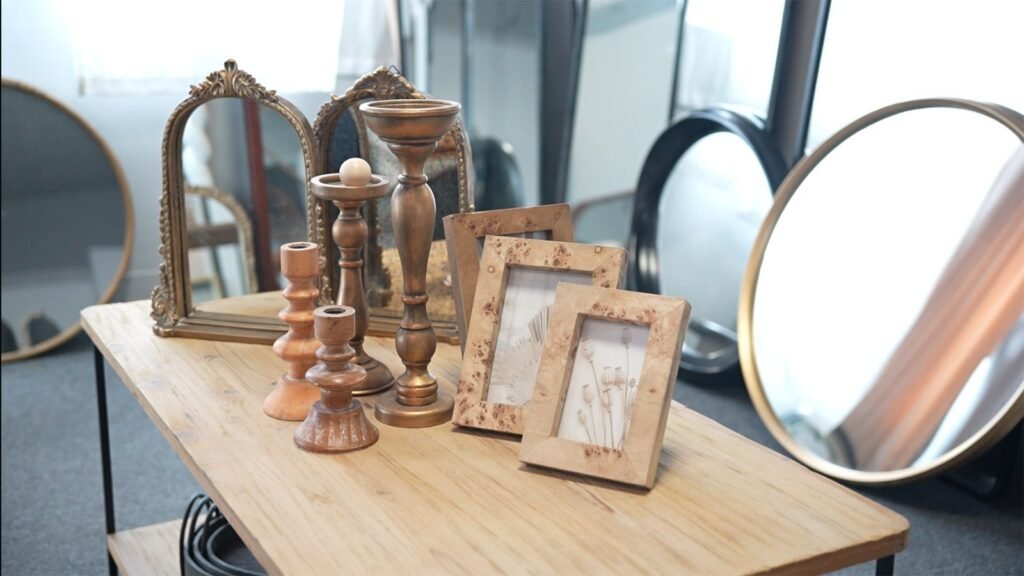
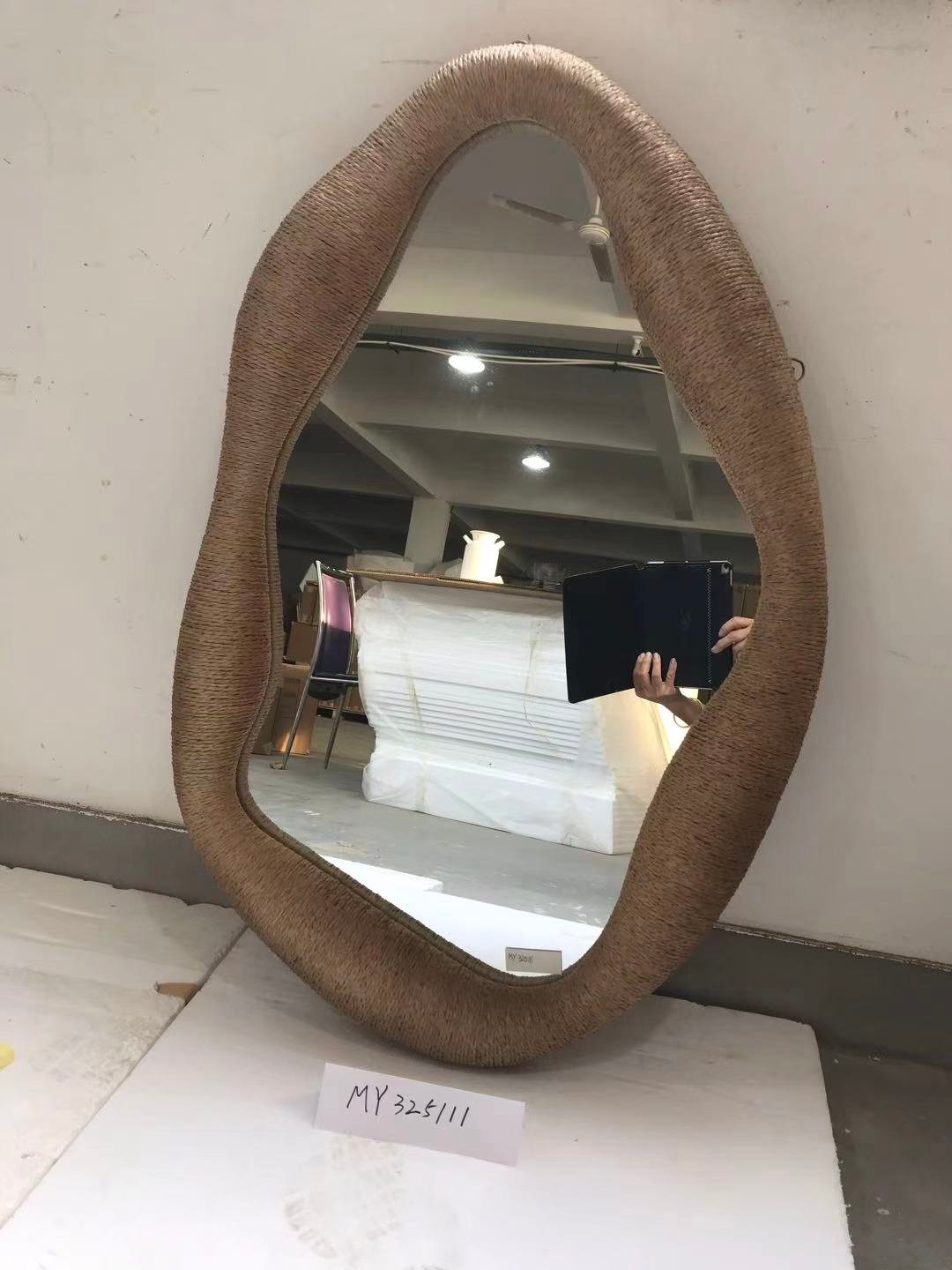
Meanwhile, High Point Market coverage keeps pointing to warmer, moodier palettes, tailored textures, and more sculptural silhouettes—design language that makes mirrors feel less “utility” and more “statement.”
Buyer translation: your wall mirror supplier needs to deliver both sides of the brief—design direction and program discipline.
The 5 Questions I Ask Any Wall Mirror Supplier Before Price
If you want to shortlist a real wholesale wall mirror supplier, don’t start with MOQ. Start with these:
-
Can you repeat the finish—exactly—over multiple production runs?
-
Can you lock hardware and mounting methods (so installers don’t improvise)?
-
Can you prove packaging performance (so breakage doesn’t eat margin)?
-
Can you support both retail and hospitality documentation needs?
-
Can you scale with stable labor + stable materials (not “sample-room magic”)?
If a supplier can answer those cleanly, they’re not just a maker—they’re a program partner.
Hotel Project Mirror Supplier: Specs Beat Opinions Every Time
The moment you move from retail into hospitality, your mirror becomes an operational item. A hotel project mirror supplier wins when they prevent punch-lists with documentation.
For LED mirror OEM programs, I look for spec language that treats the mirror like a finished electrical product—not “a mirror with lights.” UL 1598 is the luminaire safety standard often referenced in North American safety discussions, and it covers issues like wiring/grounding, enclosure strength, temperature limits, and overheating protection.
And if the mirror is going anywhere near moisture, I want the supplier to speak in IP Code language, not vague “water-resistant” claims. ANSI/NEMA’s adoption of IEC 60529 is the common reference point for degrees of protection provided by enclosures.
What I want in a one-page “mirror specifications” sheet:
-
Dimensions + tolerance
-
Mounting method + hardware included
-
For LED mirrors: driver/wattage/voltage + wire exit plan
-
IP rating strategy + intended placement notes
-
Spare parts / replacement policy (projects always need it)
That’s how a supplier becomes “project-safe,” not just “photo-ready.”
Packaging Is Where Mirror Programs Quietly Live or Die
Most mirror failures are not design failures. They’re packaging failures.
If a supplier says “our packaging is strong,” I ask: strong according to what? The best partners can point to recognized test frameworks:
-
ISTA Procedure 3A: test for individually packaged products shipped through a parcel delivery system.
-
ASTM D4169: a uniform system for evaluating shipping units using established test methods at levels representative of actual distribution.
Buyer-speak packaging requirements:
-
Corner protection that resists compression
-
Edge isolation to stop vibration “chatter”
-
Zero internal movement (movement = glass stress)
-
Pack-out photos + QC sign-off (every carton packed the same way)
If packaging is engineered, claims drop—and reorders go up.
Why “Fuzhou Mirror Manufacturer” Is a Real Advantage When You Need Scale
When I hear “Fuzhou mirror manufacturer,” I think about cluster capability: skilled labor, supporting vendors, and a production rhythm built around export categories like frames, wall décor, and mirror-related goods.
Minhou (Fuzhou) is commonly referenced in the trade ecosystem as an arts & crafts / home decoration base, and exhibitors from that region explicitly position themselves that way.
Fuzhou also has long-standing arts & crafts institutions tied to carving and handicraft production—useful context for why craft finishing and decorative manufacturing runs deep there.
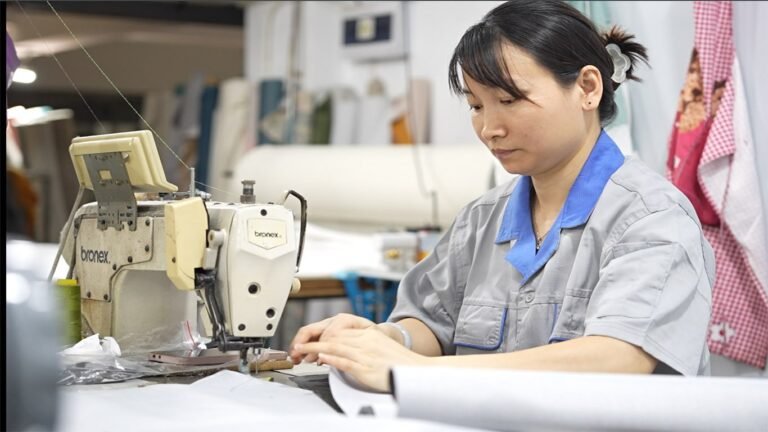
Buyer translation: if you need consistent finishing, fast sampling, and repeatable output, the manufacturing base matters—not just the sales pitch.
The “Custom Home Accessories Supplier” Angle Buyers Actually Care About
Here’s a margin truth: a mirror rarely sells alone. The best suppliers increasingly behave like a custom home accessories supplier—able to build cohesive sets (mirrors + hooks + trays + small wall décor) that match finish tones and packaging standards.
That’s not fluff. It reduces vendor count, simplifies QA, and makes assortments look intentional.
Where Teruier Fits
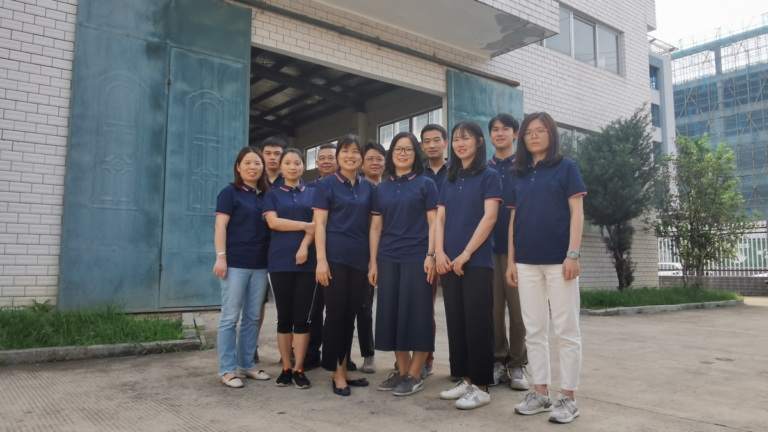
From a buyer’s seat, Teruier’s advantage is “value translation”: turning trend direction from Maison&Objet/High Point into repeatable manufacturing specs, backed by a Fuzhou craft manufacturing base, and delivered with the packaging + documentation discipline that retail and hospitality both demand.
Because the best wholesale wall mirror supplier isn’t the one with the prettiest sample.
It’s the one whose 1,000th mirror looks like the first—and arrives intact.