Why I Still Search “Germany Shoe Storage Ottoman Supplier” as a US Buyer
Samples don’t scare me.
Reorders do.
Because the shoe storage ottoman is the kind of product customers touch every day—sit, kick, slam, drag, open, close. If the second container “feels different,” you don’t just lose a SKU. You lose trust.
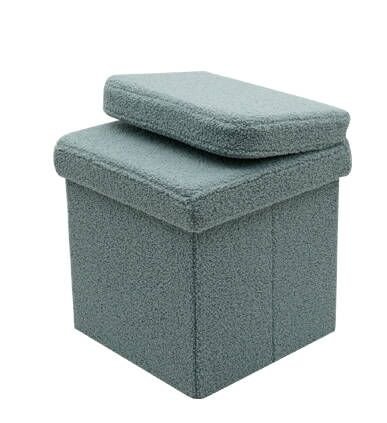
So yes—I still search Germany shoe storage ottoman supplier. Not because Germany is the only answer, but because German-led programs tend to bring a discipline US retail needs right now: space logic + build logic + repeat logic.
Germany’s “space discipline” is the design advantage buyers can merchandise
A shoe storage ottoman is an entryway problem-solver, and compact-living logic matters. Germany’s housing statistics show an average living floor space per dwelling around the low-to-mid 90 m² range—useful context for why European programs often prioritize tight footprints and practical storage.
That discipline translates beautifully to US shoppers in apartments, townhomes, and “no-mudroom” homes: one piece that makes the doorway feel controlled.
2026 trend reality: “craft + texture” wins—if you can reproduce it
Trade shows are basically shouting the same message: customers are tired of flat, generic product. They want tactile comfort and real character—but buyers still need it delivered like a program.
Maison&Objet’s January 2026 theme, “PAST REVEALS FUTURE,” explicitly frames a return to craftsmanship and “design full of soul.”
And Heimtextil’s 26/27 preview leans into the idea that digital tools and craft are merging—meaning texture isn’t a random choice; it’s a measurable, repeatable spec if your supplier is mature.
In practical terms: bouclé-like looks, heritage weaves, and “soft luxury” silhouettes will keep selling—but only with stable workmanship and consistent material control.
The quality control checkpoints I ask for before a retail-chain PO
If you want to be an ottoman supplier for retail chains, don’t just show me photos. Show me process.
My must-have quality control checkpoints (shoe storage ottoman edition):
-
Lid alignment & hinge test: opens smoothly, closes flush, no wobble after repeat cycles
-
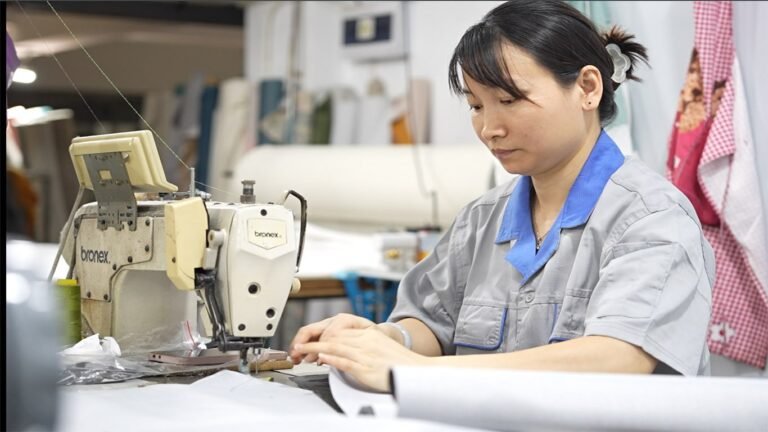
Corner and seam discipline: straight stitches, no seam slippage on stress points
-
Foam feel consistency: no “mystery soft” batch changes between orders
-
Odor and material safety basics: adhesives/boards aired and stable
-
Packaging protection: corners protected, fabric not compression-marked, carton drop mindset
-
Final “store-floor handling” check: sits level, feet stable, base doesn’t twist
And I want the inspection math defined, not vibes. ISO’s acceptance sampling standard (ISO 2859-1) is the backbone many global teams use to set AQL-style pass/fail thresholds without inspecting every unit.
Cross-border design manufacturing coordination: the part buyers pay for (even if they don’t say it)
Here’s what separates a “factory” from a real international design collaboration partner:
Cross-border design manufacturing coordination means you can translate trend intent into locked specs—and keep them locked through reorder.
What I expect:
-
one master reference sample (signed + archived)
-
a spec sheet with tolerances (not just “about this size”)
-
a controlled list of what can change (fabric colorway) vs. what cannot (frame, hinge method, foam density, carton spec)
-
a clear escalation path when defects appear (because they will)
That’s how craftsmanship and workmanship becomes something I can scale across doors—not just admire on a showroom sample.
Where Teruier fits
If you’re searching Germany shoe storage ottoman supplier because you want “European discipline with retail-chain execution,” that’s exactly the gap Teruier is built to close: design translation, QC checkpoint thinking, and reorder consistency—delivered through a coordination model that keeps the second container as boring as the first.
Because in US retail, boring reorders are the real flex.