
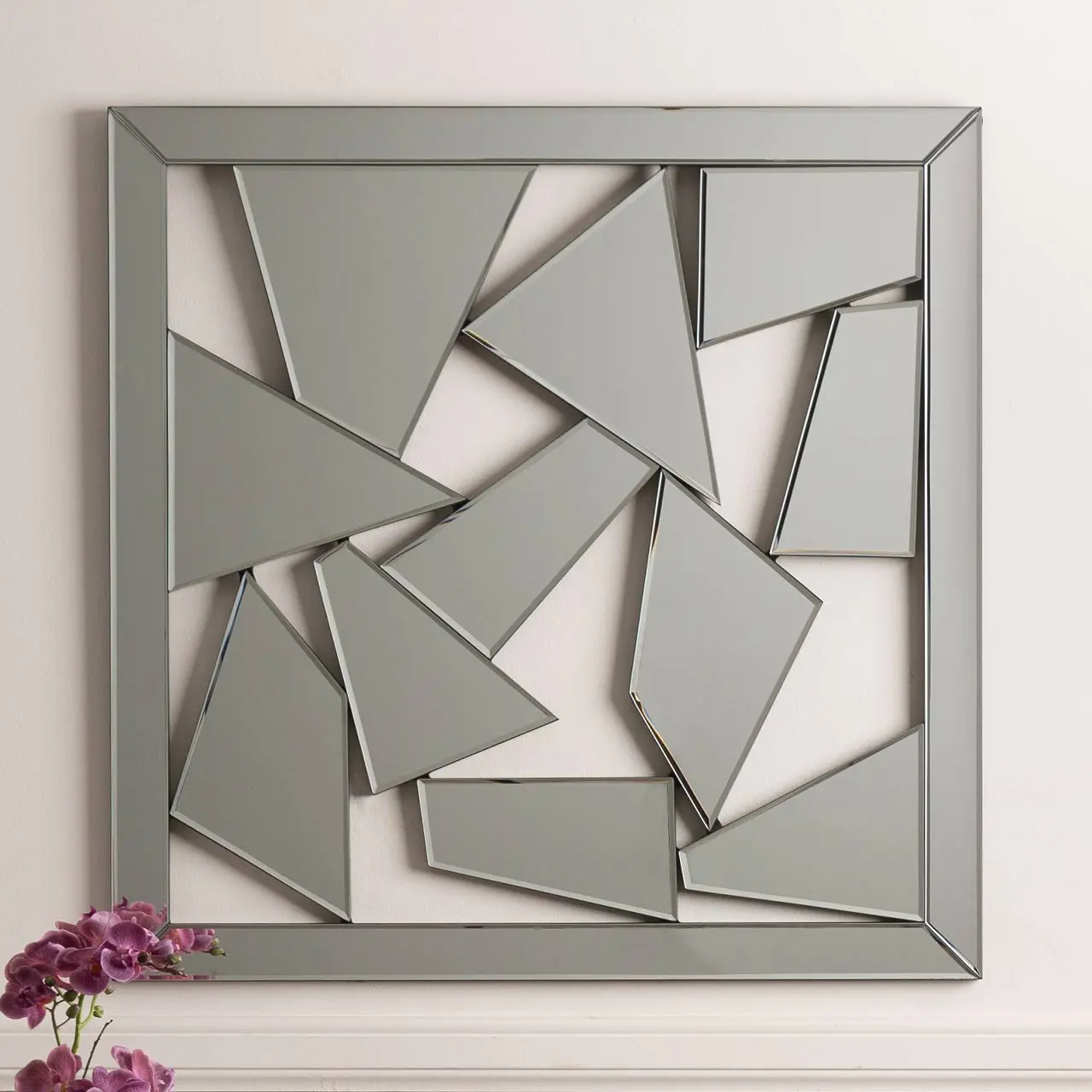
Mirrors Saudi Arabia: The “Looks Expensive in 3 Seconds” Rule (and What I’m Buying for 2026)
In the Kingdom, a mirror doesn’t get a long explanation. It gets three seconds under mall lighting.
If it reads “luxury” immediately, it moves. If it reads “mass,” it sits. And if it arrives with one tiny defect—scratched glass, uneven finish, weak packaging—it doesn’t just get returned. It gets remembered.
That’s why when I source mirrors Saudi Arabia, I’m not buying one-off SKUs. I’m building a repeatable line: stable finishes, consistent batches, and a supplier that can run private label without excuses.
Why 2026 is a different game: retail taste is being shaped by global shows
The trend direction is not random. The big international fairs have been very clear:
-
Maison&Objet (Jan 2026) is pushing “Past Reveals Future” — more craft, more meaning, less disposable sameness.
-
Ambiente Trends 26+ frames the future as “brave, light, solid” — design that feels optimistic, liveable, and material-driven.
-
In the U.S., High Point coverage keeps highlighting ambient / adjustable lighting and warm vintage notes — which matters, because lighting is where mirrors either look premium or look cheap.
Now add Saudi reality: hospitality and fit-out growth keeps pushing quality expectations upward, which spills back into retail demand.
“Middle Eastern inspired” is evolving: heritage detail, clean execution
When buyers ask me for Middle Eastern inspired mirrors wholesale, they’re not asking for heavy ornament everywhere. They’re asking for heritage cues with modern discipline.
Two reference languages dominate:
-
Islamic geometric mirror patterns (non-figurative geometry is a foundational visual language in Islamic art).
-
Mashrabiya-inspired lattice and rhythm — but refined, not busy.
The win is: readable pattern + clean proportions + premium finishing. Not “more decoration.”
The 3 styles I keep reordering in mirrors Saudi Arabia
If you’re trying to sell into Saudi retail (or hotel supply chains), these are the lines that keep performing:
1) Islamic geometric mirror (the modern-heritage hero)
This is the “safe statement” piece: it looks culturally intelligent, photographs well, and works in entryways, majlis spaces, and boutique retail. The buyer tip: keep the geometry crisp and the frame depth intentional—flat, thin frames kill the value signal.
2) Jeweled mirror (the comeback luxury accent)
Jeweled is back—but only when it feels editorial, not costume. One hero SKU can lift an entire wall set (especially in gift-led seasons). The buyer tip: crystal consistency and secure setting are non-negotiable; one loose piece becomes ten complaints.
3) Luxury wall mirror (warm metals, confident scale)
A true luxury wall mirror in our market is usually about finish and scale: brushed brass/champagne tones, oversized formats, and strong edgework. If your brass looks yellow under warm lighting, it’s dead on arrival.
The buyer’s supplier test: can you run private label without drama?
This is where most “good-looking catalogues” fail.
If you position yourself as a private label home decor supplier, I expect a “program pack,” not a moodboard:
-
Finish codes + tolerance rules (so my reorders don’t shift colour)
-
Packaging engineering (corner protection, long-size drop logic, clear unboxing)
-
QC checkpoints (glass, coating, assembly, final clean, packing)
-
Conformity readiness for Saudi imports — because delays and documentation gaps break launch calendars. Saudi uses the SALEEM/SABER conformity framework for imported goods, and categories/requirements can matter depending on product type.
If a supplier says “we will confirm later” on any of the above, I assume the project will bleed time.
A simple 2026 line plan that sells (and stays reorderable)
If you want to win mirrors Saudi Arabia programs, don’t flood buyers with 40 options. Bring 6 that behave like a system:
-
2× Islamic geometric mirror (one round, one arched/rect)
-
1× mashrabiya-inspired lattice mirror (premium hero)
-
1× jeweled mirror (single statement SKU)
-
2× luxury wall mirror (one brass oversized, one warm metal mid-size)
That’s enough to build a wall, test sell-through, and scale reorders cleanly.
Where Teruier fits
Teruier builds Saudi-ready mirror programs the way a serious private label partner should: translate 2026 show direction into Middle East–fit SKUs, then lock the specs (finish, QC, packaging, repeatability) so reorders stay stable.
If you’re sourcing Middle Eastern inspired mirrors wholesale right now, my last question is simple:
Can you keep the same finish, the same geometry, and the same packaging performance—batch after batch?
That’s what makes a supplier “approved” in the Kingdom.



