
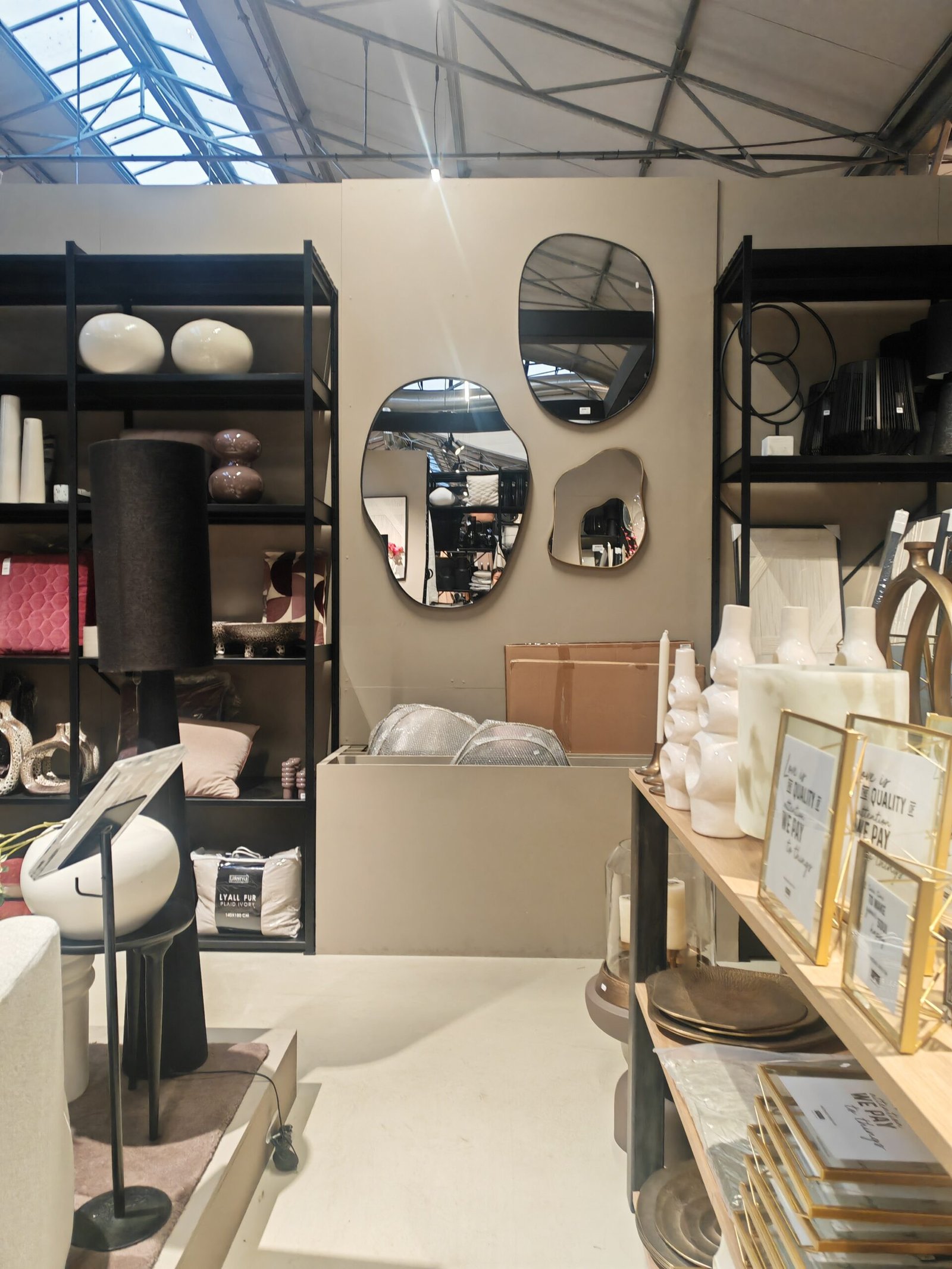
Mirrors Saudi Arabia: The Buyer Reality Behind “Just a Mirror” (2026 Edition)
If you want a fast way to lose a Saudi retail listing, call a mirror “simple décor.”
In our malls, a mirror is either a margin-maker—or a returns magnet. Why? Because the Kingdom’s shoppers (and project clients) judge mirrors the same way they judge appliances: clarity, durability, safety, and finish accuracy. One bad batch of corroded backing, uneven coating, or frame colour mismatch—and the next order goes to your competitor.
And demand is real. Saudi’s tourism and hospitality growth means more fit-outs, more bathrooms, more lobbies, and more replacement cycles—so mirror programmes are expanding, not shrinking.
Why “bathroom mirrors” are the fastest-moving category in Saudi
When buyers search bathroom mirrors Saudi Arabia, they’re not hunting for a pretty rectangle. They’re solving wet-zone reality: humidity, cleaning chemicals, heat swings, and constant use.
The market is also getting stricter on product entry and conformity processes. Saudi’s product safety framework (SALEEM) is built to limit non-conforming imports, and imported goods flow through SABER processes depending on the product category.
So if your bathroom mirror programme includes lighting or electrical components, your compliance readiness becomes part of the buyer decision—not an afterthought.
Mirror trend direction 2026 is clear: “warm, crafted, confident”
If you only follow local competitors, you’ll arrive late. I watch Europe and the U.S. shows because they preview what will be retail-normal here within the season.
Maison&Objet (Jan 2026) framed the edition under “Past Reveals Future”—a push back against overconsumption and homogenised design, with craftsmanship and meaningful, lived-in pieces taking centre stage.
Ambiente Trends 26+ organised the future into three worlds—brave, light, solid—with colour, shape, and material stories designed for “a liveable future.”
Translate that into what sells as mirrors Saudi Arabia in 2026:
-
Warm neutrals + tactile surfaces → mirrors need softer profiles and premium-feeling finishes, not cold, sharp minimalism.
-
Craft and heritage cues → frames that look designed (not “factory default”) get faster buy-in at mid-to-premium price points.
-
Confident scale → the oversized wall mirror is not a niche anymore; it’s a visual “value signal” for entryways, living rooms, and fashion-led retail. (If your packaging and shipping plan can handle it, your sell-through usually improves.)
The part suppliers skip: mirror materials decide your complaint rate
Buyers love moodboards. But what protects your reorder is boring: mirror materials and the chemistry behind durability.
Most quality mirrors rely on a silver coating and protective layers. Corrosion resistance matters, especially in humid environments. Guardian Glass, for example, highlights copper-free mirror constructions designed to improve corrosion resistance compared to conventional copper-containing mirrors.
This is exactly why in Saudi (and the Gulf generally) I ask suppliers to specify:
-
Glass thickness options (and what sizes they recommend per thickness)
-
Edgework (polished, bevelled, safety edge)
-
Backing system (standard vs moisture-resistant vs safety-backed)
-
Installation environment guidance (dry zones vs wet zones)
If you can’t explain your mirror materials in one clear spec sheet, you’re not ready for serious retail.
Safety isn’t a “nice to have” when you go big
Here’s a detail many factories only learn when a buyer’s QA team rejects a shipment: mirror safety expectations can link back to building-code logic.
Glass Magazine notes that under the International Building Code (IBC), mirror glass in hazardous locations is required to be safety glazing, with limited exceptions depending on mounting/backing support.
That doesn’t mean every retail mirror must follow the exact same rule everywhere—but it tells you how professionals think: broken-glass risk is not negotiable.
Practical buyer request: offer optional safety backing film (especially for larger formats and public-facing spaces). Even when not legally mandated for a retail SKU, it reduces damage risk and gives project buyers confidence.
Mirror frame finishes that move in Saudi right now
Let’s talk mirror frame finishes—because the fastest way to create dead stock is to pick a finish that looks “right” in photos but “wrong” in-store lighting.
What performs consistently for us:
-
Champagne / brushed bronze / warm brass tones (reads premium, pairs with beige stone, wood tones, and warm whites)
-
Matte black (still strong, but needs perfect coating consistency to avoid looking cheap)
-
Soft nickel / muted metallics (more “hotel modern” than “flashy luxury”)
What I need from suppliers is not more finishes—it’s finish discipline: colour tolerance, batch consistency, and clear naming/coding so my teams can reorder without surprises.
The buyer’s 60-second checklist before I approve samples
If you want to win a real mirrors Saudi Arabia programme (not a one-off), send a “retail-ready pack” with:
-
3 hero SKUs mapped to 3 zones: entryway, living, bathroom
-
A one-page spec: sizes, thickness, backing, frame finish codes, carton dimensions
-
QC checkpoints (what you check at glass, coating, assembly, packing)
-
A simple compliance pathway note for Saudi imports (who supports what, and what documents exist)
This is the difference between “nice catalogue” and “approved vendor.”
Where Teruier fits
Teruier converts 2026 show trend signals into Saudi-ready mirror programmes—built on disciplined materials specs, consistent frame finishes, and reorder-focused execution for retail and fit-out buyers.
If you’re building your next assortment around bathroom mirrors Saudi Arabia and an oversized wall mirror hero story, the winners in 2026 won’t be the cheapest—they’ll be the clearest, safest, and easiest to reorder.



