
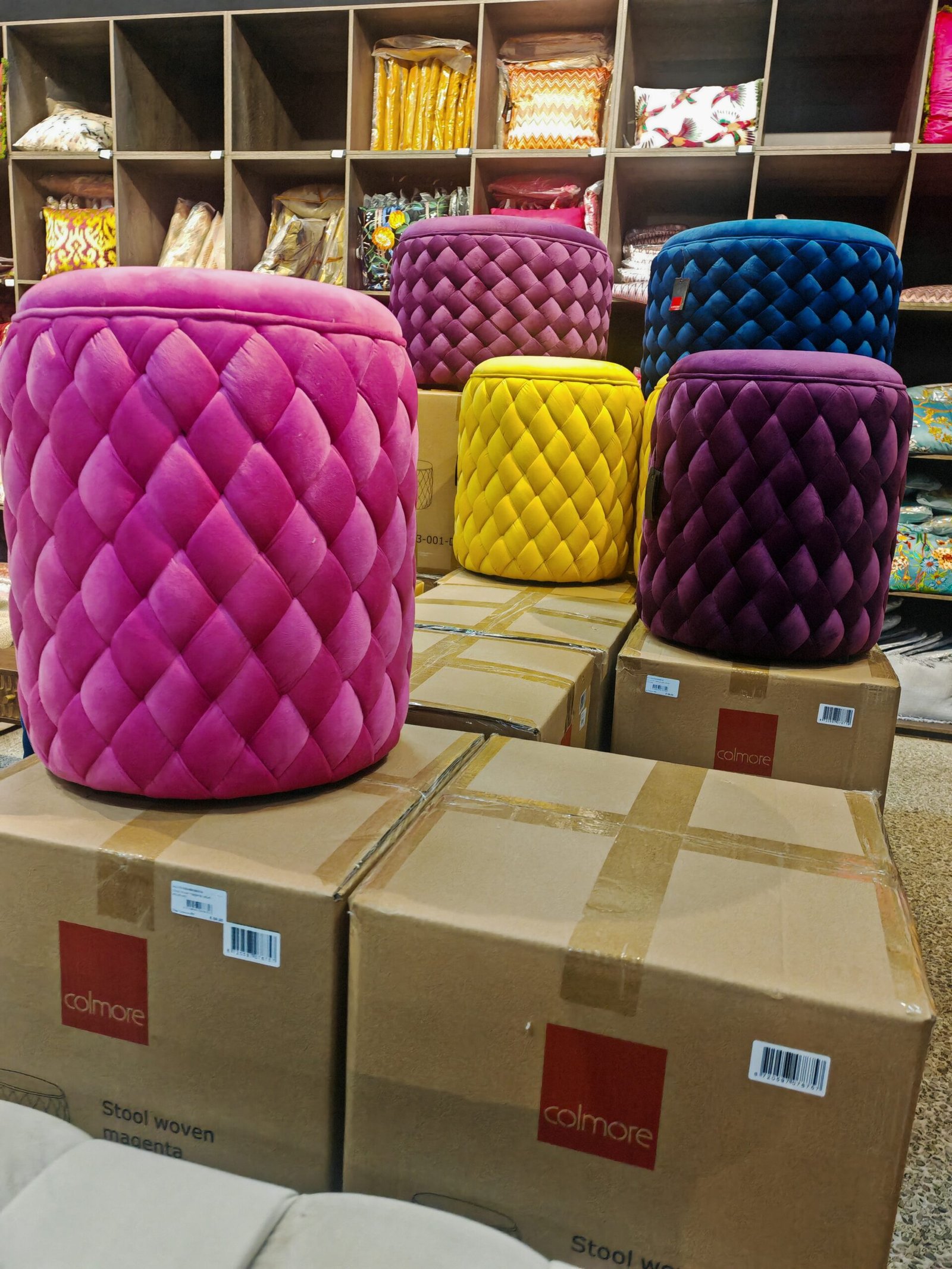
Toronto Shoe Storage Ottoman: The Entryway SKU I Won’t Approve Without This Checklist
Toronto shoppers don’t “browse” entryway furniture—they need it to work. Winter boots, wet sidewalks, tight condo foyers, and that one chair everyone dumps shoes on… it’s a daily stress test.
And the Toronto market is genuinely small-space heavy: in 2021, 23.9% of occupied dwellings in Toronto were condominiums, higher than the national share. That single stat changes how I buy an entryway program—because the winning Toronto shoe storage ottoman isn’t the most decorative one. It’s the one that fits, ships, and reorders cleanly.
Below is the sourcing guide I use as a U.S. home décor buyer when I’m building a Canada-facing assortment (or any cold-climate city that lives in boots).
Buyer review prep: define the “Toronto entryway job” in one sentence
Before samples, I do buyer review prep like this:
“This ottoman must hide shoes fast, sit safely, and look intentional in a condo-sized entryway.”
If a vendor can’t repeat that job back to me—with a spec that supports it—I don’t move forward. The best home decor supplier makes the decision easy before price negotiation.
The 5 checks that predict if it will sell in Toronto
When I evaluate a Toronto shoe storage ottoman, these are the checks that predict sell-through (and fewer returns):
-
Footprint discipline (Toronto condos punish bulky depth)
-
Seat stability (no wobble, no “hollow box” feel)
-
Hinge experience (smooth open/close, controlled drop)
-
Storage reality (fits adult winter footwear, not just slippers)
-
Surface practicality (front edge resists scuffs—where shoes hit first)
This is the line between “cute” and “reorderable.”
What I expect in a retail-ready spec pack (if you want wholesale orders)
If you’re selling storage ottoman wholesale, don’t send me a lifestyle photo and a one-page PDF.
Send me a retail-ready spec pack that helps me approve the SKU internally:
-
Spec sheet: dimensions, materials, weight, load guidance, hardware details
-
Carton plan: corner protection, hardware isolation, hinge-zone reinforcement
-
QC checkpoints: hinge function, upholstery finish, stability, carton inspection
-
Labeling + compliance readiness: what markets you support and how you document it
Why I care: most “surprises” in retail are not design surprises. They’re execution surprises.
Ottoman packaging: the silent reason vendors lose reorders
In big-box retail, packaging is a profit model—because damage becomes markdowns and chargebacks.
ISTA’s Procedure 3F is explicitly designed to simulate distribution center to retail outlet shipping in mixed pallet configurations (for packages up to 100 lb / 45 kg).
So I ask one blunt question:
“Is your ottoman packaging built for DC-to-store handling, or built for a photoshoot?”
If the answer is vague, I assume the damage rate will show up later—right when I’m trying to reorder.
How I use a hot seller database (and why vendors should care)
Every retailer has some version of a hot seller database—a list of SKUs that consistently win because they match how customers live.
For Toronto entryway storage, the “hot seller” patterns are usually:
-
Neutral core colors that don’t fight the rug
-
Simple silhouettes that look clean in tight spaces
-
Durable textures that hide daily wear
If you’re pitching me, don’t just say “this is trending.”
Show me which proven winners it ladders up to—and what you improved (hinge feel, storage usability, packaging durability).
Rapid product testing: how I approve newness without risking the program
I love design. I just don’t love inventory risk.
That’s why I run rapid product testing:
-
A small, controlled buy (limited colors, limited stores or channels)
-
Clear success metrics (sell-through + damage rate + customer feedback)
-
A pre-negotiated reorder path if it passes
Vendors who support rapid testing (clean spec packs, consistent production, fast replenishment) get more shots in the assortment.
The hook system add-on that upgrades the whole entryway story
Here’s a buyer trick that improves conversion: don’t sell “an ottoman.” Sell an entryway system.
A simple hook system (matching wall hooks / rail) turns the ottoman into a complete Toronto-ready solution:
-
Hang coats, bags, dog leashes
-
Keep wet items off the floor
-
Make the space look intentional (not like storage)
It also increases basket size without changing the core ottoman.
Installation guide (what I want included so customers don’t complain)
If you include a hook system, don’t wing it—include an installation guide that’s clear enough for a non-handy customer.
Minimum guide content I expect:
-
What’s in the box (screws/anchors, hook rail, template)
-
Stud/anchor guidance (and when to use anchors)
-
Hole spacing + level line instructions
-
Weight guidance + safety note
-
Simple “care + tightening” reminder after 30 days
Good installation guidance reduces customer frustration—and protects reviews.
What’s trending at recent EU/US design fairs (and how it affects this SKU)
The smartest suppliers aren’t just making products—they’re making products that fit the next shelf reset.
At Maison&Objet (Jan 2026), the official theme “Past Reveals Future” emphasizes heritage, craftsmanship, and meaningful design—less disposable sameness, more material authenticity.
And at Ambiente / Maison&Objet in 2025, reporting highlighted a split between bold “city glow” and natural “cottage flow”—two aesthetics retailers can blend depending on customer mood.
Ambiente’s own Trends 25+ framing (DEEP / REAL / EASE) also points buyers toward calmer palettes, tactile materials, and “feel-good” functionality.
What that means for a Toronto shoe storage ottoman:
-
Keep the base SKU quiet and timeless (easy to reorder)
-
Add trend through texture + hardware + hook system styling (easy to refresh)
The buyer conclusion: make Toronto easy, and you’ll win the reorder
A Toronto shoe storage ottoman wins when it’s:
-
Condo-scaled (Toronto lives in smaller footprints)
-
Retail-documented (a real retail-ready spec pack)
-
Packaged for DC-to-store reality (ISTA-minded packaging logic)
-
Built for rapid testing and clean replenishment
If you want, ask Teruier for a Toronto entryway spec pack template (ottoman + hook system + packaging plan). It’s the fastest way to move from “nice sample” to “approved program.”



