The Mirror That Delays a Hotel Opening Is Never “Just a Mirror”
I’ll say the quiet part out loud: in hospitality, mirrors don’t fail like décor—they fail like MEP. A lighted bathroom mirror that flickers, fogs, or trips inspection doesn’t just annoy a guest; it creates punch-list chaos, rework costs, and the one thing no hotel owner forgives—a delayed opening.
Why does this matter right now? Because Saudi Arabia isn’t tiptoeing into tourism growth; it’s sprinting. The Kingdom has raised its target to 150 million visitors by 2030, and the hotel pipeline keeps expanding to match that ambition.
As a U.S. home décor retail buyer, I’m trained to think in assortments, turns, and margin. But when I’m asked to support hospitality mirror supply—especially for KSA projects—I switch mindsets: this is less “pretty product” and more risk management with a design finish.
Below is the short version of the playbook I use.
1) Start With the Demand Reality (Because It Changes Your Spec)
If you’re supplying hotels in KSA, you’re not just serving one property—you’re entering a fast-moving build cycle. Recent market reporting points to tens of thousands of rooms in Saudi Arabia’s pipeline (and a broader Middle East pipeline hitting record levels), which means multiple projects competing for the same installers, shipments, and inspection windows.
Buyer implication: your “standard mirror” becomes a program. Program = repeatable specs, stable components, and packaging that survives jobsite handling.
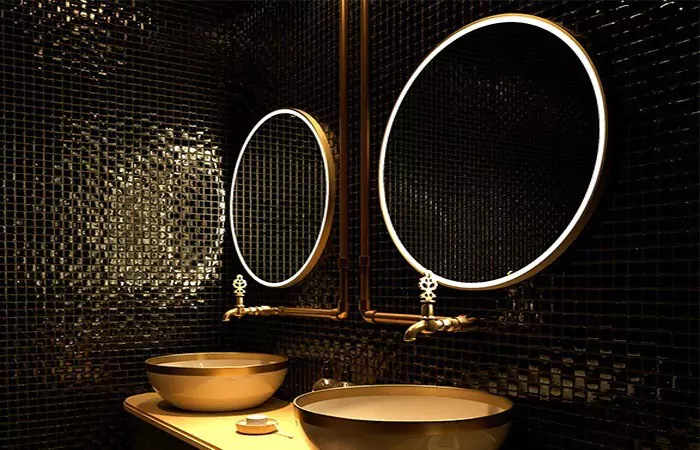
2) A Bathroom LED Mirror Is a Lighting Fixture in Disguise
For a bathroom LED mirror, the fastest way to lose buyer trust is treating it like a cosmetic accessory. In North America, lighted mirrors are commonly evaluated against UL 1598 (luminaires)—and UL itself has publicly warned about LED bathroom mirrors carrying unauthorized UL marks, which tells you how often compliance gets blurred in this category.
What I ask for as a buyer (plain English):
-
Clear safety/testing pathway for the lighted mirror (not just “components are certified”)
-
Stable LED driver selection (same supplier, traceable batch, documented substitution rules)
-
Anti-fog performance that’s engineered, not promised (heater pad design + adhesive reliability)
-
Serviceability: can a property replace a driver/switch without ripping the wall apart?
If your supplier can’t explain those items simply, they’re not ready for hospitality volume.
3) IP Rating Isn’t Marketing—It’s the Bathroom Reality
Hospitality bathrooms are wet, steamy, cleaned aggressively, and punished by guests. IP ratings exist for a reason: IEC 60529 defines the IP Code for degrees of protection against ingress.
Even if your project isn’t governed by UK wiring rules, bathroom zone logic is a useful buyer shorthand: for splash areas, IP44 is widely treated as a baseline reference point in bathroom lighting guidance.
Buyer translation:
If you’re pitching a lighted mirror for a vanity area, tell me the IP rating, show me where it’s appropriate, and back it with documentation—not vibes.
4) “LED Mirrors for Showrooms KSA” Need a Different Spec Than Hotel Rooms
Showroom mirrors are performance theatre. The mirror must look perfect under bright lighting, withstand constant demos, and photograph cleanly.
For LED mirrors for showrooms KSA, I look for:
-
Higher perceived brightness uniformity (no hot spots)
-
Color consistency across batches (because showrooms mix display units)
-
Premium touch interfaces that don’t fail after 5,000 taps
-
Cleaner edge finishing (because customers stand inches away)
A hotel bathroom can tolerate “nice.” A showroom requires flawless.
5) Benchmarking Against a “Noon LED Mirror Supplier Saudi” Can Mislead You
Here’s the trap: teams often benchmark price and features off marketplace listings. If you search Noon, you’ll see LED mirrors marketed for bathrooms, dressing rooms, even hotels—often with attractive pricing and rapid delivery claims.
But marketplace readiness ≠ hospitality readiness.
What’s usually missing when you compare to a noon LED mirror supplier Saudi listing:
-
Program-level QC data (not just a star rating)
-
Component continuity guarantees (drivers, LEDs, heaters)
-
Packaging spec for project-site realities (drop tests, corner protection, labeling)
-
Documentation that an owner, consultant, or inspector will actually accept
Marketplace products can inspire features. They should not set your spec ceiling.
6) Don’t Forget the Lobby: The Jeweled Mirror as a Revenue Surface
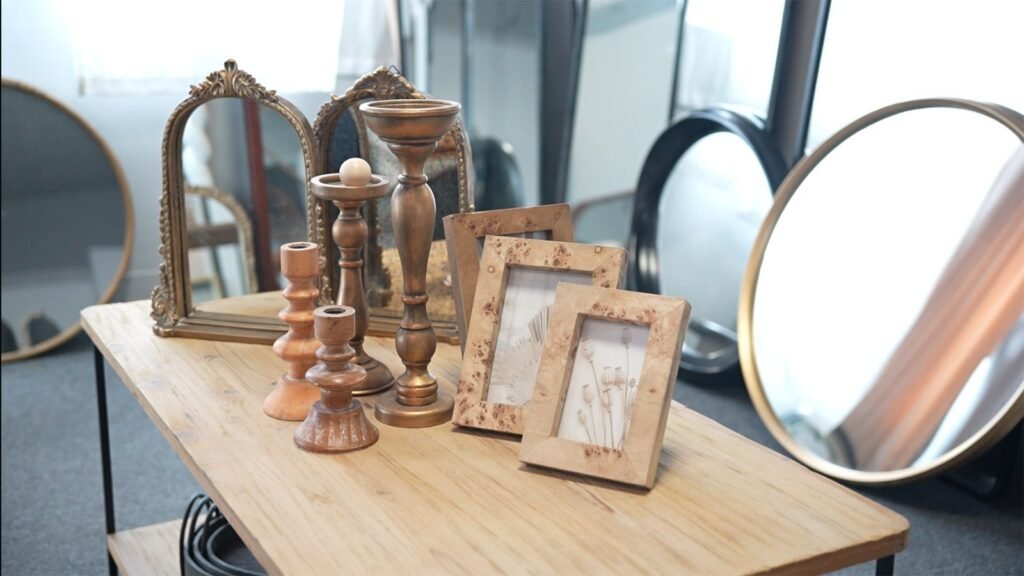
A jeweled mirror isn’t a “nice-to-have” in hospitality—it’s often a branding asset. Lobbies, elevator landings, bridal suites, and signature restaurants use mirrors to telegraph identity instantly.
Buyer criteria for jeweled/statement mirrors:
-
Stable ornament attachment method (mechanical + adhesive logic, not glue-only)
-
Corrosion strategy for metal trims (especially near coasts)
-
Installation predictability (mounting hardware that contractors won’t improvise)
-
Spare parts plan (yes—tiles, gems, trims, even if limited)
In retail, we call it “Instagrammable.” In hotels, it’s rate support.
7) The Spec Pack That Makes Hospitality Buyers Say “Yes”
If you want to win hospitality mirror supply business, don’t send a pretty catalog first. Send a retail-ready spec pack style sheet, adapted for projects:
-
Dimension tolerances + wall interface drawings
-
Electrical summary (driver, wattage, voltage, wire exit, ingress rating)
-
QC checkpoints (glass, lighting, function, packaging)
-
Carton labeling that matches site receiving workflows
-
Production lead time + phased delivery plan (opening dates don’t wait)
That’s what lets a buyer take you into a meeting with procurement, design, and site management—without getting burned.
Where Teruier Fits (My Buyer Lens)
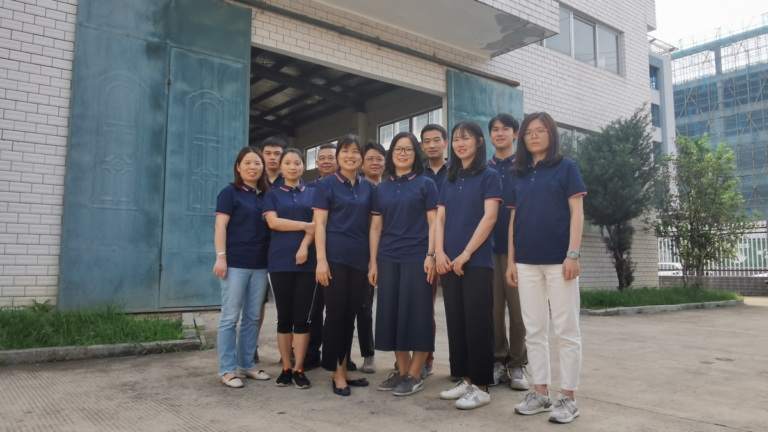
The suppliers I keep are the ones who act like value translators—they turn a design intent into a stable, repeatable, inspection-safe SKU, and they do it with the discipline of manufacturing clusters that understand craft and throughput.
That’s the gap Teruier is built to close: cross-border design-manufacturing coordination that makes mirrors “project-proof,” not just “photo-ready.”
If you’re building a KSA hospitality program, the question isn’t “Can you make this mirror?”
It’s: Can you make it the same way, at scale, with the paperwork and packaging that prevents rework?