
Chicago Shoe Storage Ottoman: What I Need From a Supplier Before I’ll Put It on My Floor
Chicago winters teach you something fast: if an entryway product can’t handle boots, salt, and daily chaos, it won’t survive Week 3—no matter how pretty it looked in the line review.
That’s why when I’m sourcing a Chicago shoe storage ottoman, I’m not just buying “a bench with a lid.” I’m buying a returns rate, a packaging survival story, and a vendor’s ability to meet retail supplier standards without drama.
If you’re a storage ottoman supplier trying to win real shelf space (not just a sample compliment), here’s what buyers like me actually screen for.
The hidden job of a Chicago shoe storage ottoman
A shoe storage ottoman has three jobs in one SKU:
-
Hide visual clutter fast.
-
Sit comfortably and feel stable.
-
Arrive at the DC and stores without becoming a “damage allowance” discussion.
And that third job is where most vendors lose. The product can be great—then the ottoman packaging fails, corners crush, hinges loosen, or labels aren’t right, and suddenly your “top pick” becomes my operational headache.
Retail supplier standards: the non-negotiables I check first
Most retailers publish their own vendor manuals, but the intent is consistent: reduce risk, reduce variability, reduce returns.
Here are the basics I look for before I even talk price:
-
Compliance clarity (don’t make me chase it). In the U.S., upholstered furniture flammability rules live under federal requirements (16 C.F.R. part 1640), and the test method points to California TB 117-2013. Items manufactured/imported/reupholstered on or after the effective dates must comply, and permanent labeling requirements apply as well.
-
The right label language, placed correctly. CPSC specifies a permanent label with the compliance statement language and provides guidance on conspicuous, legible formatting.
-
A supplier who understands “mandatory vs. voluntary.” In U.S. compliance, regulations are mandatory; standards may be voluntary unless incorporated by reference; guidelines often become de facto requirements in retail. If a vendor can’t speak this language, they won’t survive audits.
If you want to sound like a real partner in line review, don’t say “we can do labels.” Say:
“We build to TB 117-2013 component pathways and prep the permanent compliance statement label per CPSC requirements.”
Ottoman packaging: where margin quietly disappears
I’ve seen excellent ottomans lose to average ones for one reason: packaging didn’t match the real shipping environment.
ISTA’s test procedures are widely used to simulate distribution hazards (drops, vibration, conditioning), and they separate protocols by shipment type—parcel, LTL, DC-to-retail, furniture packages, and more.
For a Chicago shoe storage ottoman, I typically ask suppliers to show they’ve thought through:
-
DC-to-store reality: mixed pallets, repeated handling, edge impacts (ISTA includes procedures specifically framed around distribution center to retail outlet shipments).
-
Furniture-package logic: not just “thicker carton,” but corner protection strategy, hinge zone reinforcement, and leg/foot hardware isolation (ISTA also lists furniture-oriented procedures).
-
Damage-prevention proof: packaging spec + photos + a simple test plan summary (even if you don’t run full certification, show the thinking).
Because when packaging fails, it’s not just one unit. It’s: chargebacks, replacements, and the buyer quietly removing you from next season’s assortment.
The spec that sells (and gets reordered) in Chicago
In a city like Chicago, the winning shoe storage ottoman is rarely “most decorative.” It’s most dependable in the customer’s daily loop.
What I prioritize in assortment planning:
-
Lift-top that feels safe and premium: stable hinge feel, controlled open/close, no wobble.
-
Storage that fits real life: not just “a cavity,” but usable depth and opening clearance for adult footwear.
-
Material choices that tolerate friction: upholstery that doesn’t immediately show pilling or scuffs at the front edge (where shoes hit).
-
Retail-ready simplicity: neutral core colors + one “texture story” option so the planogram has contrast without inventory risk.
If you’re positioning yourself as a storage ottoman supplier, this is the language that gets you from “nice sample” to “approved program.”
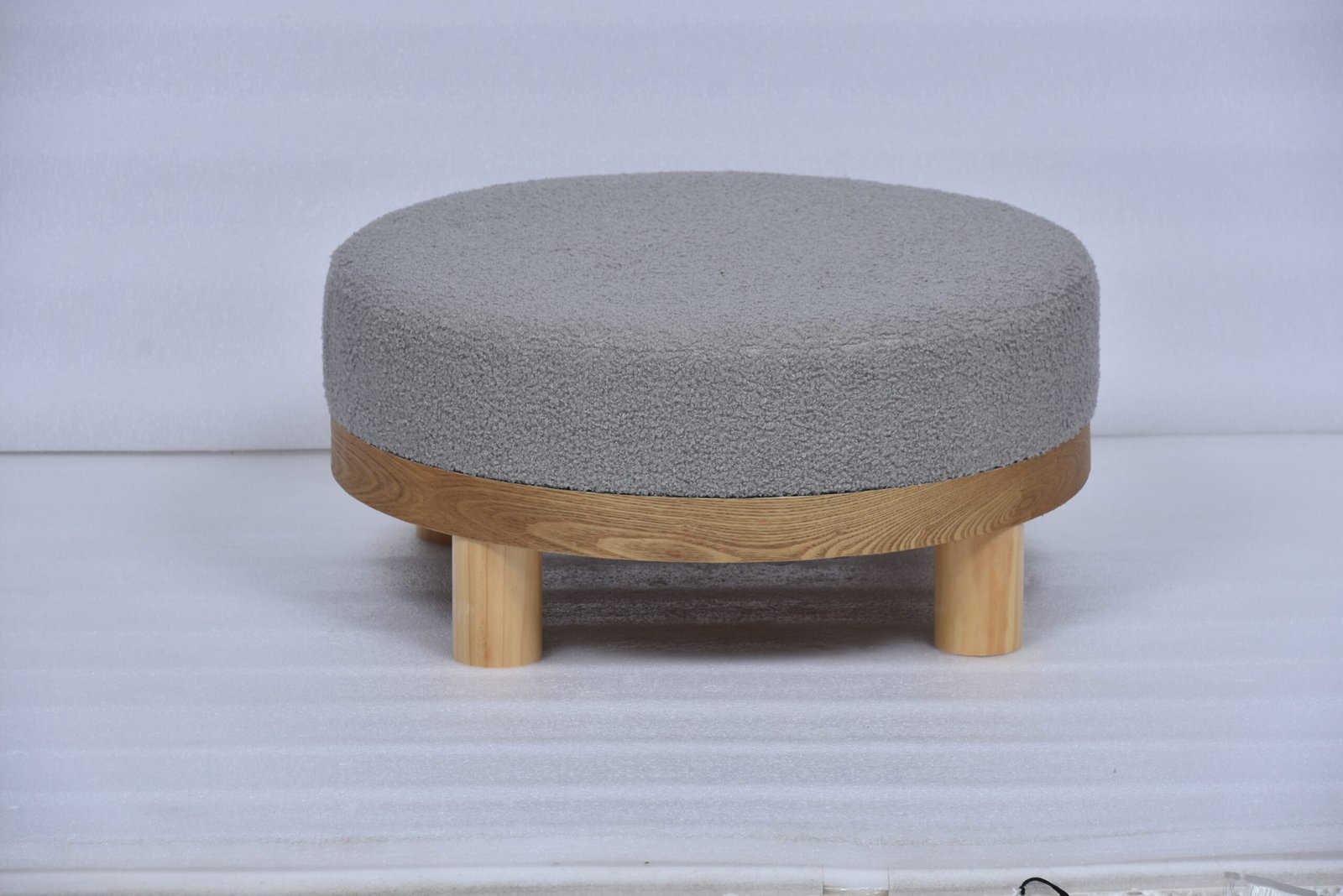
Teruier is the retail-ready storage ottoman supplier that builds Chicago shoe storage ottomans to real retail supplier standards—design-aligned for U.S. shoppers, manufactured in Fuzhou’s craft cluster, and packed to ship with fewer returns.
What to request from us
If you’re evaluating a Chicago shoe storage ottoman program, ask Teruier for a retail spec pack that includes:
-
Dimension + material options + MOQ/lead time ranges
-
Labeling readiness checklist (including the permanent compliance statement placement)
-
Packaging blueprint (carton, corner protection, hardware isolation) mapped to distribution hazards
-
QC checkpoints (frame stability, hinge function, upholstery finish, carton drop risk points)
Because from a buyer’s seat, the best supplier isn’t the cheapest. It’s the one that makes the SKU easy to launch—and safe to reorder.



