Lead Time Planning for Retail & Fit-Out: The Delivery Rhythm I Require From a Home Decor Factory China Partner (Saudi Edition)
In KSA, we don’t buy “products.” We buy opening dates.
If you source for the Gulf, you already know: a missed delivery is not a small problem. It becomes a site delay, a penalty, or a retail reset that lands on your desk.
That’s why when I shortlist a home decor factory China partner for fit-out LED mirrors Saudi projects (and bulk standing mirrors for retail Saudi), I don’t start with designs. I start with a lead-time plan that can survive reality.
And reality is big: Saudi hospitality development is moving fast, with tens of thousands of hotel rooms in the pipeline referenced by Saudi tourism investment materials and market data partners.
Reliable lead time is a system, not a promise
The phrase reliable lead time means one thing to me: the supplier can explain how they protect dates when variables change.
The best signal is a factory that runs like a quality system—documented processes, controlled change, and consistent delivery capability (this is exactly why ISO 9001 is used as a confidence signal in many supply chains).
Buyer translation: I don’t need perfect. I need predictable.
Retail vs hospitality fit-out: same product category, totally different rhythm
A Saudi fit-out mirror supplier has to operate in two time worlds:
Retail rhythm (bulk standing mirrors for retail Saudi)
-
One main drop for floor set
-
Replenishment cadence (weekly/monthly)
-
Packaging + barcodes + damage rate control
Hospitality fit-out rhythm (fit-out LED mirrors Saudi / project supply)
-
Mockup approval first
-
Pilot rooms next
-
Bulk production in waves
-
Site-ready delivery windows (not “ship when ready”)
This is why I ask suppliers to show a schedule logic, not just a lead-time number.
The critical path question that exposes weak suppliers fast
In fit-out work, one delayed critical activity delays the entire project. That’s the definition of critical path thinking in project scheduling.
So I ask every factory a very simple question:
“What are the critical-path items in your mirror program—and what do you lock early to protect them?”
For LED mirrors, typical critical-path risks include:
-
LED driver / electrical component lead time
-
glass processing capacity
-
finishing cycle time (powder coat / plating)
-
custom cartons + inserts (especially for breakage control)
If the supplier cannot name the bottlenecks, they cannot protect the opening date.
The “fit-out lead time map” I expect (copy-paste ready)
If you want to be my Saudi fit-out mirror supplier, show me a one-page map with these milestones:
-
Design freeze date (what stops changing, and when)
-
Mockup delivery (for consultant/client sign-off)
-
Pilot room batch (small run to validate finish + function)
-
Bulk wave plan (Wave 1 / Wave 2 / Wave 3 with quantities)
-
QA gates (incoming → in-line → pre-shipment)
-
Packaging validation (especially for mirrors and LED mirrors)
-
Site delivery windows (what dates you commit to, by wave)
This is how “hospitality fit-out” becomes manageable instead of stressful.
Shipping responsibility: if Incoterms are unclear, lead time is meaningless
Many delays aren’t production delays—they’re responsibility delays.
Incoterms are internationally recognized rules that clarify buyer vs seller responsibilities in international trade (shipment, insurance, documentation, customs, and risk transfer).
So I require the supplier to state, in writing:
-
which Incoterm we’re using
-
who books freight
-
who owns insurance and documentation
-
what happens if the vessel rolls or the port schedule shifts
When Incoterms are clear, problems get solved faster.
What “good” looks like for bulk standing mirrors for retail Saudi
Retail buyers in the Gulf still want impact pieces—tall silhouettes, strong frames, clean finishes. But retail wins on replenishment, not one-off shipments.
For bulk standing mirrors for retail Saudi, my reorder-safe rules are:
-
lock carton spec after approval (no quiet downgrade)
-
lock finish standard (golden sample reference)
-
lock labeling + barcode placement
-
publish a replenishment lead-time calendar (what weeks are feasible, what weeks are not)
If a home decor factory China supplier can do this, the category becomes scalable.
Where Teruier fits
Teruier helps Gulf buyers source from a home decor factory China network with reliable lead time—translating Saudi retail and hospitality fit-out timelines into phased production plans, critical-path control, and shipment-ready execution for fit-out LED mirrors Saudi and bulk mirror programs.
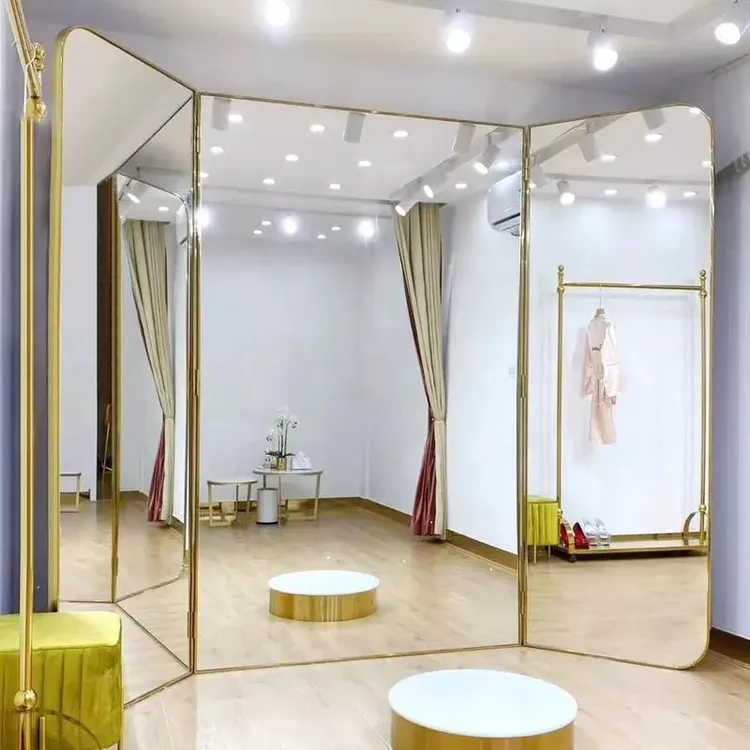
The buyer takeaway
If you want to win Saudi retail and hospitality fit-out orders, don’t sell me “30–45 days.”
Sell me the rhythm:
-
milestone plan (mockup → pilot → waves)
-
critical path visibility
-
Incoterms clarity
-
process control that holds under pressure
That’s what makes a supplier “fit-out ready” in the Gulf—on paper and on site.