
How I Choose a US Shoe Storage Ottoman Supplier (Without Letting Returns Eat the Margin)
I’m going to say the quiet part out loud—because every buyer has lived it:
A storage ottoman can be a bestseller… or a returns machine.
And returns are not a rounding error. NRF reported retailers estimated 16.9% of annual sales would be returned in 2024, with total returns projected at $890 billion.
So when my team searches US shoe storage ottoman supplier, we’re not just shopping for a product. We’re choosing a partner who can keep a high-touch, high-handling item stable from sample to scale—especially if we’re adding shearling ottoman wholesale textures that look premium but punish inconsistency.
A supplier earns “US shoe storage ottoman supplier” status (for retail programs) when they can prove:
-
Production-truth sampling (the approved sample matches mass production, not a one-off “hero” build)
-
Ship-ready packaging discipline (carton + protection designed for parcel/DC handling)
-
Compliance pathway for upholstered/padded goods (requirements understood, documents ready)
-
Reorder stability (materials + workmanship don’t drift across lots)
-
Professional sourcing team responsiveness (fast, documented, predictable approvals)
Why this SKU keeps winning in U.S. assortments
A shoe storage ottoman sells because it solves a daily mess and photographs like a lifestyle upgrade: tidy entryway, hidden clutter, quick seating. It’s one of the few “small furniture” pieces that feels practical in-store and irresistible online.
And online matters. The U.S. Census Bureau reported e-commerce accounted for 16.4% of total sales in Q3 2025—enough that packaging performance and damage prevention become buyer-level priorities, not a backroom detail.
The buyer checklist I actually use (short, brutal, effective)
1) The ottoman supplier must be “vendor-ready,” not just “sample-ready.”
If your sample looks great but the production run arrives with soft corners, misaligned lids, or uneven stitching, I’m the one explaining the markdowns.
Vendor-ready means you can show:
-
a clean spec sheet (dimensions, tolerance, foam target, hardware details),
-
a pre-production sample signoff process,
-
and change-control (what happens if fabric lots or internal boards change?).
2) Shearling ottoman wholesale = texture consistency, or it’s dead on arrival.
Shearling reads “premium” in a thumbnail, but buyers reject it fast when:
-
pile looks different unit-to-unit,
-
seams don’t land cleanly on corners,
-
or the surface mats easily and starts looking tired.
A serious supplier documents fabric direction rules, stitching standards, and in-line checks before you scale.
3) Packaging is part of the product (especially for a storage ottoman).
If you sell chain volume, your ottoman will get handled hard—parcel networks, DC moves, store replenishment, customer unboxing.
I want a supplier who understands test logic, not excuses. ISTA’s Procedure 3A is described as a simulation test for individual packaged-products shipped through a parcel delivery system.
Translation: edge protection, corner guards, compression resistance, and internal bracing are not “nice to have.” They’re how you protect margin.
4) Compliance literacy signals maturity.
This isn’t legal theater. It’s operational readiness.
For upholstered furniture, the U.S. Federal Register rule states upholstered furniture must comply with California TB 117-2013 (smolder resistance requirements for materials used in upholstered furniture).
A supplier who can speak clearly about compliance expectations, labeling, and documentation usually has their process together in other areas too.
5) Your professional sourcing team needs a supplier who behaves like a system.
Retail doesn’t run on vibes. It runs on:
-
line review deadlines,
-
revision rounds,
-
PO cut dates,
-
and inbound windows.
If your supplier can’t respond fast, document changes, and lock specs, my team ends up managing their chaos—and that cost shows up in missed launches and emergency air shipments.
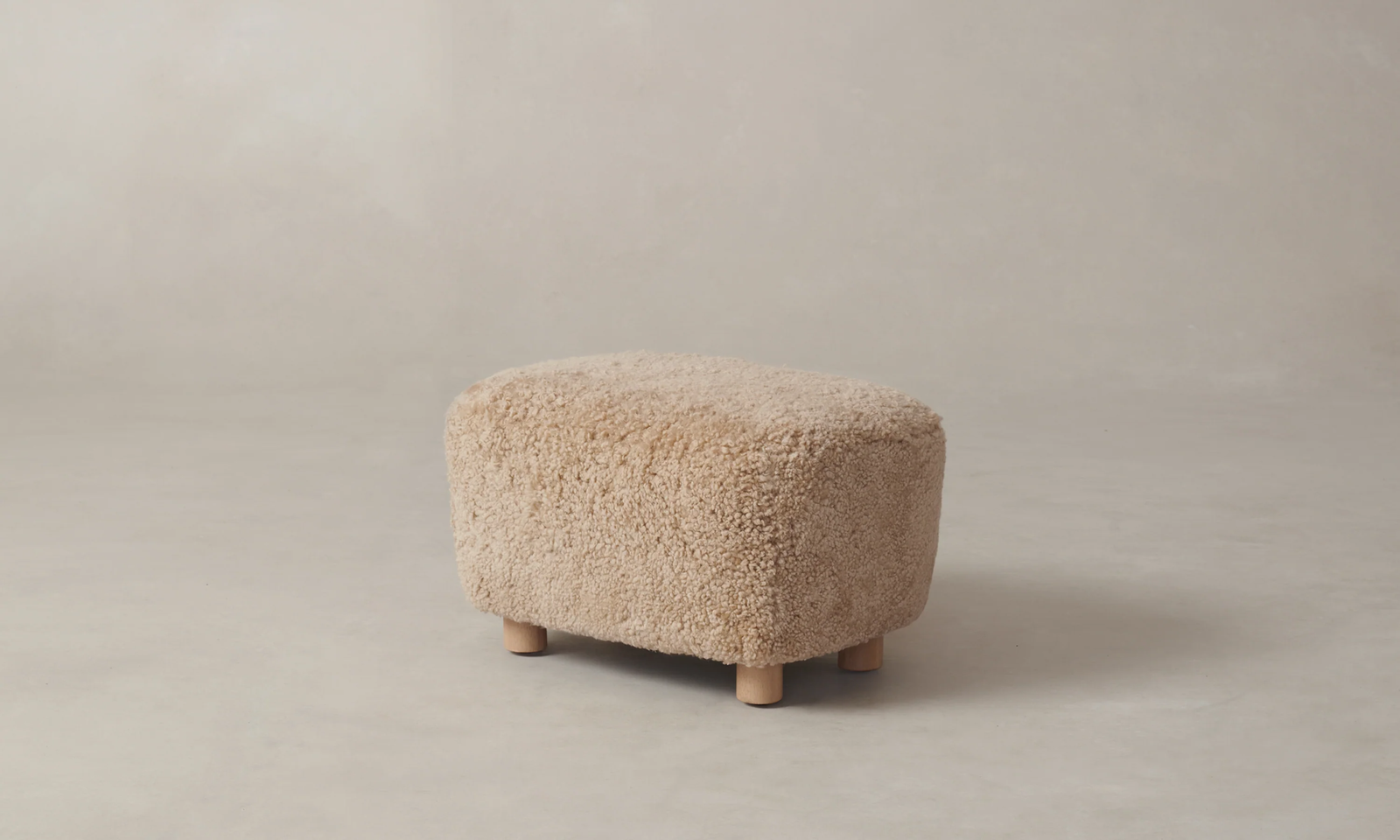
The simplest way to spot a great US shoe storage ottoman supplier
Ask one question:
“Show me how you keep this SKU consistent across reorders.”
If the answer is a real process—specs, checkpoints, packaging standards, and proof photos—you’re talking to a true retail partner. If it’s just “we can do it,” you’re gambling.