The Ottoman Program That Actually Reorders: What I Need From a Retail-Chain Supplier
I don’t buy an ottoman. I buy a repeatable profit line.
As a mall buyer, I’m not sourcing “cute seating.” I’m sourcing a SKU that has to survive the whole machine: DC handling, store labor, customer use, returns, and—most importantly—the second PO.
That’s why choosing an ottoman supplier for retail chains is less about who can make a sample fast, and more about who can build a program that stays consistent when volume hits.
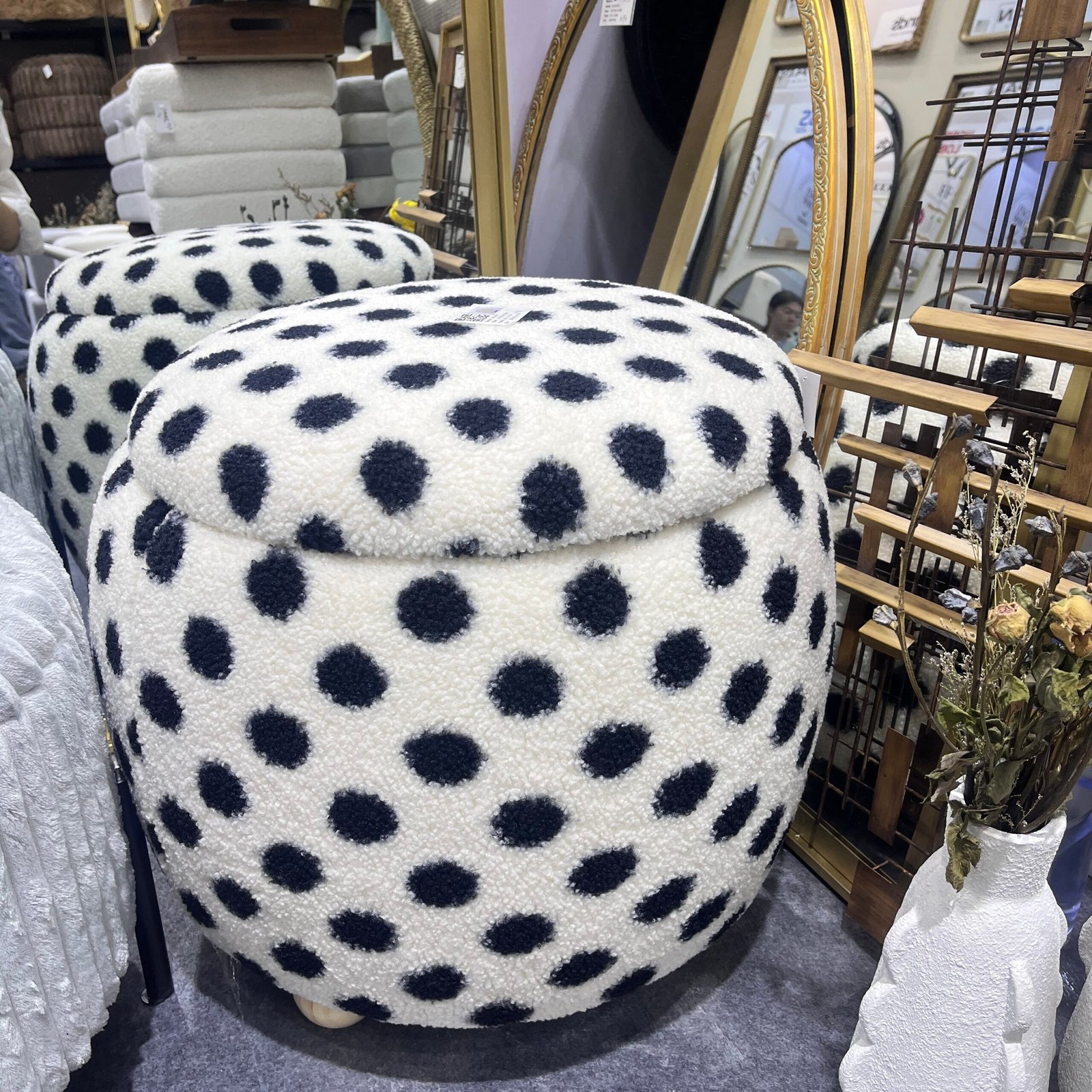
And volume is hitting: oversized ottomans are trending as coffee-table alternatives because they’re multifunctional, softer, and often add storage—exactly the kind of practical styling that scales in real homes.
Combining blockbuster capabilities: what buyers mean (and why suppliers misread it)
When I say I want Combining blockbuster capabilities, I’m not asking for a single “hero” ottoman.
I’m asking for a supplier who can combine:
-
A bestseller shape (the one that will carry volume)
-
Assortment extensions (colors, fabrics, legs, sizes) without chaos
-
Operational discipline (packaging, QC, lead-time truth)
-
A margin story (damage-rate control + return-rate control)
In practice, blockbuster capability looks like this: you can run a core SKU at scale, while rotating “fresh signals” seasonally without changing the bones of the product.
U.S. retail fit: the checklist that decides whether I even test your line
“U.S. retail fit” isn’t a vibe—it’s compliance + predictability + store reality.
If your ottoman is upholstered, I expect you to understand U.S. labeling and flammability requirements, including how required statements appear on labels (often alongside California TB 117-2013 labeling practices). The U.S. CPSC explicitly discusses required labeling statements and how they may be added to existing TB 117-2013 labels.
California’s regulator also provides real-world label examples that retail compliance teams recognize.
But “fit” also means:
-
Casepack logic that matches chain replenishment (no weird counts)
-
Dimensional discipline (so it merchandises consistently across stores)
-
Repeatable materials (so returns don’t spike from batch drift)
If I have to re-teach a supplier how chain retail works, it’s not a partnership—it’s a tutoring session.
Accent furniture wholesale is where returns quietly eat your margin
In accent furniture wholesale, the biggest profit killers are rarely obvious on day one:
-
wobble complaints after 2 weeks
-
fabric pilling in high-touch areas
-
“color doesn’t match online photos” returns
-
vintage finishes that look different from shipment to shipment
This is why I look for suppliers who talk like operators, not artists: they can explain tolerances, batch control, and corrective actions without hand-waving.
Vintage finish consistency: the “small” detail that makes or breaks reorders
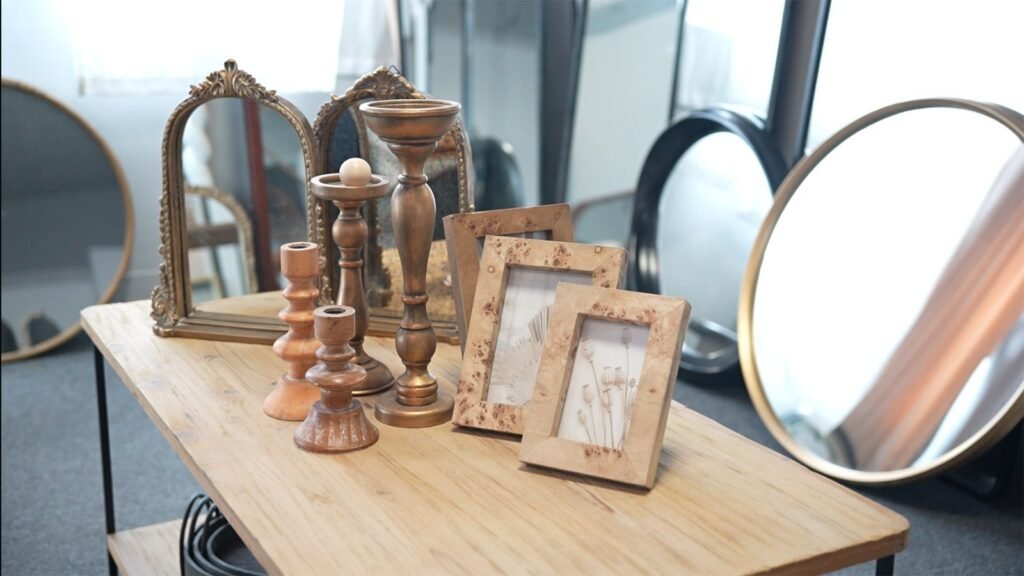
Vintage looks are selling because shoppers love pieces that feel collected, not mass-produced—and design media continues to reinforce the cultural appetite for vintage and antique finds.
But here’s the buyer pain: vintage finish consistency is hard. If “antique brass” shifts warmer, or distressing gets heavier, your customers feel tricked—even if the product is technically “fine.”
So I need you to prove you can control the variables:
-
a master control sample (kept, referenced, protected)
-
a finish spec that defines “acceptable variation” (not just “handmade feel”)
-
batch-level signoffs before bulk production runs
-
packaging protection that prevents rub marks (because vintage finishes show damage fast)
If you can’t hold vintage steady, you can’t hold chain trust.
Durability is not optional: show me the standard you build toward
For retail chains, I don’t need contract-furniture paperwork—but I do want contract-grade thinking.
If you’re serious about lounge-style seating durability, you should know the ANSI/BIFMA landscape. BIFMA’s public and lounge seating standards cover seating commonly found in indoor public spaces, and the X5.4 standard has been reaffirmed in recent cycles—signals that durability and structural testing remain a mature, standardized expectation.
Buyer translation: even if we don’t require formal certification for every SKU, the suppliers who design as if they’ll be tested tend to ship fewer problems—and win more reorders.
Care and maintenance: the most underrated lever to reduce returns
I know “care and maintenance” sounds like consumer content. In retail chains, it’s a returns strategy.
If your ottoman fabric has cleaning codes, shoppers and store associates use them—especially for light colors and high-touch upholstery. Industry guidance commonly explains codes like W, S, WS, X and emphasizes spot-cleaning methods and pre-testing.
What I want from a supplier is simple and practical:
-
a one-card care guide inside every carton (not a vague paragraph)
-
clear language for stains, pilling prevention, and tray-use (for ottomans used as tables)
-
vintage finish do’s/don’ts (no harsh chemicals, no abrasive pads, avoid prolonged moisture)
When care guidance is clear, customer expectations stay realistic—and return rates stay lower.
Where Teruier fits: craft hub + value translation + merchant profit plan
This is where Teruier’s differentiation matters in buyer terms (without the jargon):
-
Craft hub foundation: you’re anchored in a real production ecosystem that can support repeatability, not just sampling.
-
Value translation: you translate trend language (“warm neutral boucle,” “vintage patina,” “American retail fit”) into specs factories can actually execute consistently.
-
Merchant profit plan: you engineer the invisible profit protectors—finish control, packaging discipline, QC checkpoints, and care inserts—so the line reorders instead of refunding.
That’s the difference between “we made it once” and “we can build a chain program.”
My buyer scorecard for an ottoman supplier for retail chains
If you want me to scale an accent line with you, I’m looking for:
-
Blockbuster-ready structure (core SKU + clean extensions)
-
U.S. retail fit readiness (labels/compliance awareness + casepack discipline)
-
Vintage finish consistency controls (master sample + variation rules)
-
Durability mindset aligned with recognized lounge/public seating expectations
-
Care and maintenance built-in (cleaning codes + clear customer guidance)
-
Proof you understand the trend demand (ottomans as multifunctional centerpieces)
If you hit those, you’re not just selling accent furniture wholesale. You’re selling a reliable reorder engine—exactly what mall buyers are paid to protect.