
The Buyer’s Reality Check: Choosing a Hotel Project Mirror Supplier That Won’t Break Your Schedule
If you buy for hotels, you already know what the mood board never shows: the email chain.
A mirror looks “simple” until the first batch arrives with corner crush, the frame tone shifts under warm hallway lighting, or installation crews flag the hardware as “not matching the approved sample.” Then the product isn’t the problem—the system is.
And the timing pressure is only getting tighter. Lodging Econometrics has forecast thousands of new hotels opening through 2026, which typically means more phased purchasing, more replacements, and less tolerance for supplier drift.
Teruier acts as a hotel project mirror supplier that turns design intent into locked specs—so your mirror program ships on time, installs smoothly, and reorders without drift.
The buyer’s real pain: Phase 2 must match Phase 1
Hotel procurement rarely happens once. It happens in phases:
-
mock-up rooms → bulk rooms
-
public areas → back-of-house
-
replacements → refresh cycles
A supplier who “can make mirrors” is common. A supplier who can keep the same mirror the same across phases is rare—and that’s where buyers get burned.
What a hotel project mirror supplier must control (or you’ll end up controlling it)
Hotel mirrors fail in predictable places. Buyers don’t need more promises; you need proof of controls.
1) Spec drift (the silent killer)
The frame depth changes “a little.” The gold tone runs warmer. The bevel looks sharper. These are small in isolation—but obvious when 80 rooms are lined up.
Buyer safeguard: a locked spec pack (dimensions, tolerances, finish standard, hardware layout) plus a “master reference” that production must match.
2) Glass quality and safety context (don’t let compliance become a surprise)
Most hotel mirrors are decorative, but certain applications (especially those tied to architectural glazing products or wet-zone enclosures) can trigger stricter safety expectations. Having recognized standards in the conversation adds credibility and reduces last-minute confusion.
-
ASTM C1036 covers quality requirements for flat glass used in architectural glazing products, including mirrors.
-
ANSI Z97.1 establishes specifications and test methods for the safety properties of safety glazing materials used in buildings.
-
In the U.S., 16 CFR Part 1201 is the safety standard for architectural glazing materials designed to reduce risks of serious injury when glazing breaks by human contact (scope includes products like shower doors/enclosures and sliding glass doors).
You don’t need to turn your mirror PO into a legal document. You do want a supplier who can clearly explain what build is being used, where it’s appropriate, and what documentation is available if your project requires it.
3) Packaging damage (most “quality issues” are packaging issues)
Mirrors don’t break in the showroom. They break at cross-docks, in last-mile delivery, during site staging, and when cartons get stacked the way your supplier didn’t imagine.
Buyer safeguard: packaging engineered for impact and compression—corner protection, surface protection, carton strength, and pallet rules where needed.
4) Hardware inconsistency (installation delays are expensive)
A bracket shift or missing fastener pack becomes labor cost, site conflict, and schedule risk.
Buyer safeguard: a fixed mounting standard—same bracket type, same placement, same packing method, clearly documented.
The spec pack buyers should insist on (simple, practical, non-negotiable)
Before you approve a supplier, ask for this in writing:
-
Dimensions + tolerances: overall size, frame face width, frame depth, squareness
-
Mirror build: glass thickness, edge finish, backing method, any safety backing requirements
-
Finish control: approved finish standard + allowable variation + how it’s checked (lighting matters)
-
Mounting standard: bracket type, layout, included accessories, install guidance
-
Packaging spec: corner guards, surface film/foam, carton grade, drop/stack logic, palletization rules (if applicable)
-
Reorder protocol: how the supplier freezes the approved sample into a repeatable production reference
If a supplier can’t provide this cleanly, you’re not buying a program—you’re buying future exceptions.
Who this article is really for (buyer reality, not demographics on paper)
If you’re sourcing hotel mirrors, you’re likely juggling:
-
multiple stakeholders (designer, owner, operator, GC, procurement agent)
-
multiple deadlines (mock-up approval, bulk ship windows, opening dates)
-
multiple risk types (finish consistency, damage claims, installation friction, phase matching)
Your best suppliers don’t just sell product. They reduce the coordination load you’re carrying.
Where Teruier’s difference shows up for hotel buyers
Teruier is rooted in a craft manufacturing hub near Fuzhou—an ecosystem built on long craft tradition and modern home décor production. For buyers, that background only matters because it supports repeatability:
-
People (craft discipline): consistent finishing and detail control
-
Materials (supply depth): stable access to frame materials, coatings, and packaging inputs
-
Process (repeat workflows): checkpoints that prevent drift after sampling
We also stay connected with European and American design perspectives, so “international design collaboration” doesn’t stop at inspiration—it gets translated into buildable specs and reorderable programs.
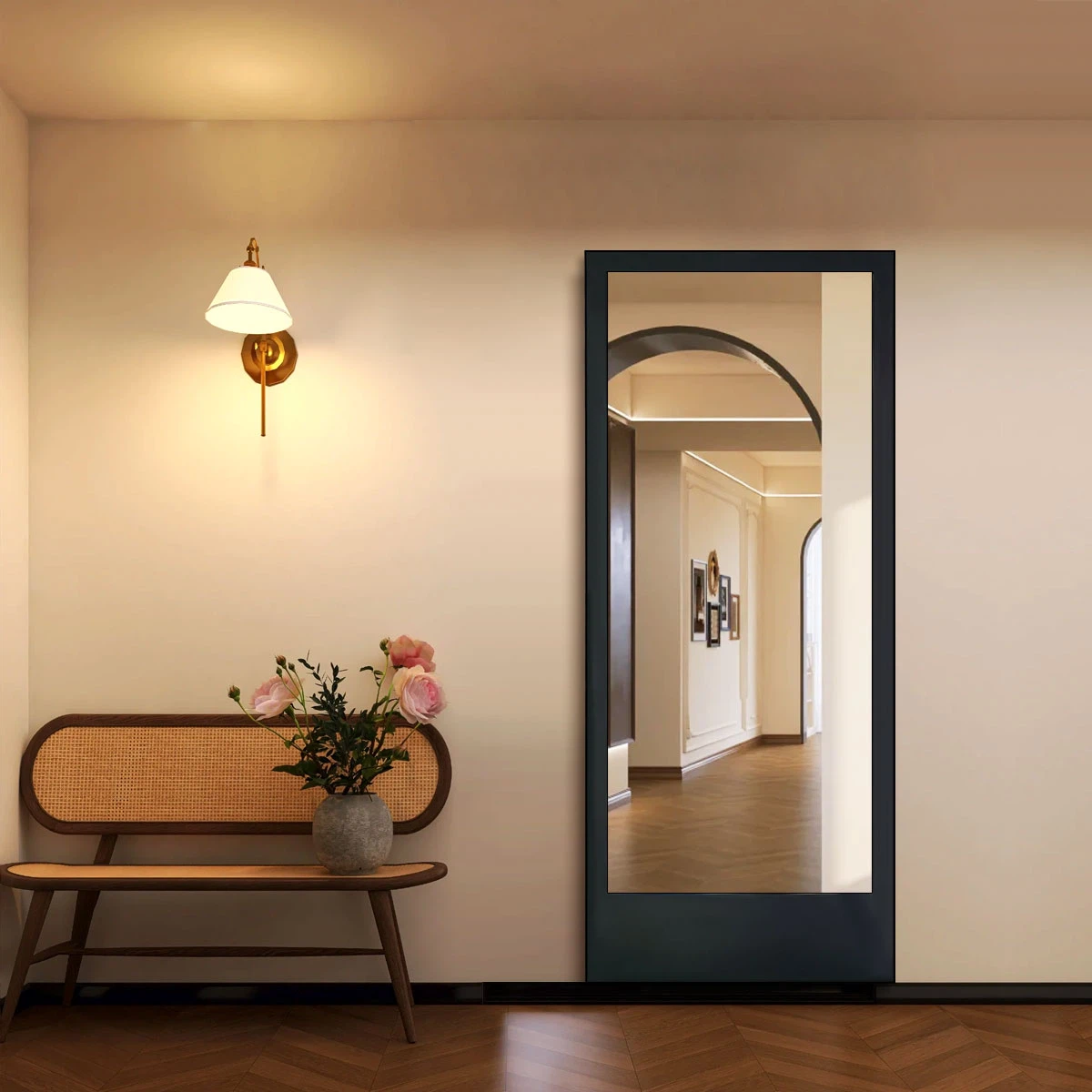
The buyer takeaway: choose the supplier that makes reorders boring
A strong hotel project mirror supplier doesn’t win because the sample is beautiful.
They win because:
-
Phase 2 matches Phase 1
-
cartons arrive displayable
-
installation is predictable
-
reorders don’t become “new versions”
If your current sourcing process feels like gambling, tighten the spec pack, demand packaging discipline, and pick the partner who can prove they run mirrors as a system—not a one-time shipment.



