
Why Most Ottoman Quotes Are Basically Fiction
If you’ve sourced upholstered products long enough, you’ve seen it:
You ask five factories for a quote. You get five prices. None of them are truly comparable.
Because the cheapest number is often built on silent assumptions:
-
cheaper foam (feels flat in a month)
-
lighter frame (wobble later)
-
“standard packaging” (arrives bruised)
-
vague tolerances (lid gaps you can see from across the room)
For ottomans, the quote only becomes real when the factory is forced to answer the boring questions: structure, foam feel, upholstery method, hardware, QC gates, and packaging.
That’s exactly what this RFQ template does.
The Buyer’s Rule: If It’s Not Written Down, It Doesn’t Exist
A good ottoman supplier doesn’t just say “OK.”
They confirm:
-
what they will build
-
how they will check it
-
how they will pack it
-
and what happens if it drifts
This is also where Teruier’s approach is different in practice: we don’t treat “design → sampling → mass production” as three separate conversations. We run it as one coordinated flow—trend intent translated into buildable specs, then protected by QC checkpoints and packaging standards. That coordination is what makes a reorder feel like a reorder, not a new product.
Copy-Paste RFQ Template (Ottoman / Storage Ottoman / Ottoman Bench)
1) Project Basics
Product type: (Ottoman / Storage Ottoman / Ottoman Bench / Set of 2)
Target market & channel: (EU community retail / concept store / boutique hotel lobby shop, etc.)
Target price level: (Good / Better / Best) + target ex-works range (if you have one)
Order plan: trial qty + reorder qty
Delivery terms: EXW / FOB / DDP (specify destination)
Timeline: sample deadline + production deadline
2) Dimensions & Tolerances (Stop “Looks Different Than Sample”)
Provide a simple table:
-
Overall size: L × W × H (mm)
-
Seat height: (mm)
-
Leg height: (mm)
-
For storage ottoman: lid overhang + internal storage dimensions
-
Tolerance required:
-
overall size tolerance: ± ___ mm
-
lid gap tolerance (storage): max ___ mm difference side-to-side
-
leg wobble: must pass “flat floor corner-press test” (no rocking)
-
Ask the factory:
-
“How do you keep the frame square during production (jigs/fixtures)?”
-
“What’s your standard tolerance, and can you hold ours?”
3) Construction Spec (The Hidden Part That Decides Returns)
Frame material: (solid wood / engineered wood / mixed)
Reinforcement: corner blocks (yes/no), centre support (bench: yes/no)
Leg fixing method: (metal plate + screws preferred)
Max load expectation: ___ kg (static)
Ask for:
-
an internal structure photo of a similar item
-
a short “press corners” stability video on the sample
4) Foam Feel Spec (Buy the Feel, Not the Foam)
Seat feel target: Firm / Medium / Plush
Foam build: single layer / multi-layer (base + topper)
Foam density range: ___ (factory to propose if you don’t know)
Recovery standard: “No permanent dents after normal sitting”
Buyer prompt (works brilliantly):
“Please recommend the foam build that holds shape for retail customers, not showroom display.”
5) Upholstery & Finish (What Customers Photograph)
Fabric: (bouclé / sherpa / velvet / linen blend / PU, etc.)
Colour: Pantone / swatch reference + confirm dye-lot control
Seam style: top stitch / hidden seam / piping
Corner finishing requirement: clean, no wrinkling
For tufting: button type + spacing tolerance
Ask for:
-
close-up photos of corners in bright light
-
seam straightness photo (front-on)
6) Storage Hardware (If Applicable)
Hinge type: soft-close / safety hinge / standard
Lid alignment standard: must sit level, consistent gap
Open/close test: 10 cycles—no shifting
Ask for:
-
a 10-cycle open/close video
-
hinge placement method (jig or manual)
7) Packaging Spec (The Cheapest Way to Cut Returns)
Packaging requirement: ship-ready for courier handling
-
dust bag / protective wrap (yes)
-
corner protectors (yes)
-
internal stabilisers (no movement inside carton)
-
carton strength requirement: factory to propose
-
bench packaging: anti-sag support underneath
Ask for:
-
packed carton photo (open) showing corner + internal protection
-
“shake test” result: no movement
8) QC Checkpoints
Request a simple list with pass/fail criteria for:
-
frame squareness check
-
leg stability check
-
seam/piping alignment check
-
foam feel & recovery check
-
storage lid alignment check (if applicable)
-
final appearance check under bright light
-
packaging check (corner + movement)
Ask:
-
“Who signs off each checkpoint (line QC / final QC)?”
-
“Can you send inspection photos for our order?”
9) Sampling & Pre-Production Gate
Sample requirements:
-
1st sample: structure + size + appearance
-
2nd sample (if needed): final fabric + final foam feel
Pre-production sample: required before mass run (yes/no)
Golden sample: keep as reference standard (yes)
How to Read Supplier Replies
When replies come back, score them like this:
Green Flags
-
They answer with specifics, not “OK no problem”
-
They propose foam build options with trade-offs
-
They describe how they keep frames square (fixtures/jigs)
-
They show packaging photos and can upgrade packaging without drama
-
They talk about checkpoints and tolerances naturally
Red Flags
-
“We do standard packaging” (no details)
-
No mention of tolerances
-
“Same as sample” but no golden sample process
-
Storage ottoman quote without lid alignment method
-
Bench quote without anti-sag packaging plan
Where Teruier Quietly Wins
This RFQ template is simple—yet it reveals who can truly deliver retail-ready product.
And it fits Teruier’s way of working:
-
Design intent gets translated into specs (materials, feel, tolerances)
-
Specs get protected by checkpoints (not wishful thinking)
-
Packaging is engineered, not guessed (so the product arrives as intended)
That’s easier to execute when you’re rooted in a real craft-manufacturing ecosystem. Around Fuzhou’s craft hub, you don’t just have “a factory”—you have three supply chains that can move together:
-
artisans who understand finish and hand-feel
-
materials that can be locked and replenished
-
process know-how for repeatable build quality
And yes, the region’s older craft culture (lacquer traditions, oil-paper umbrellas, horn comb craft and the broader heritage of decorative making) shows up today in one practical thing buyers care about: finish discipline—the difference between “fine in photos” and “good in the customer’s hands.”
Wrap-Up: Use This RFQ Once, Then Never Go Back
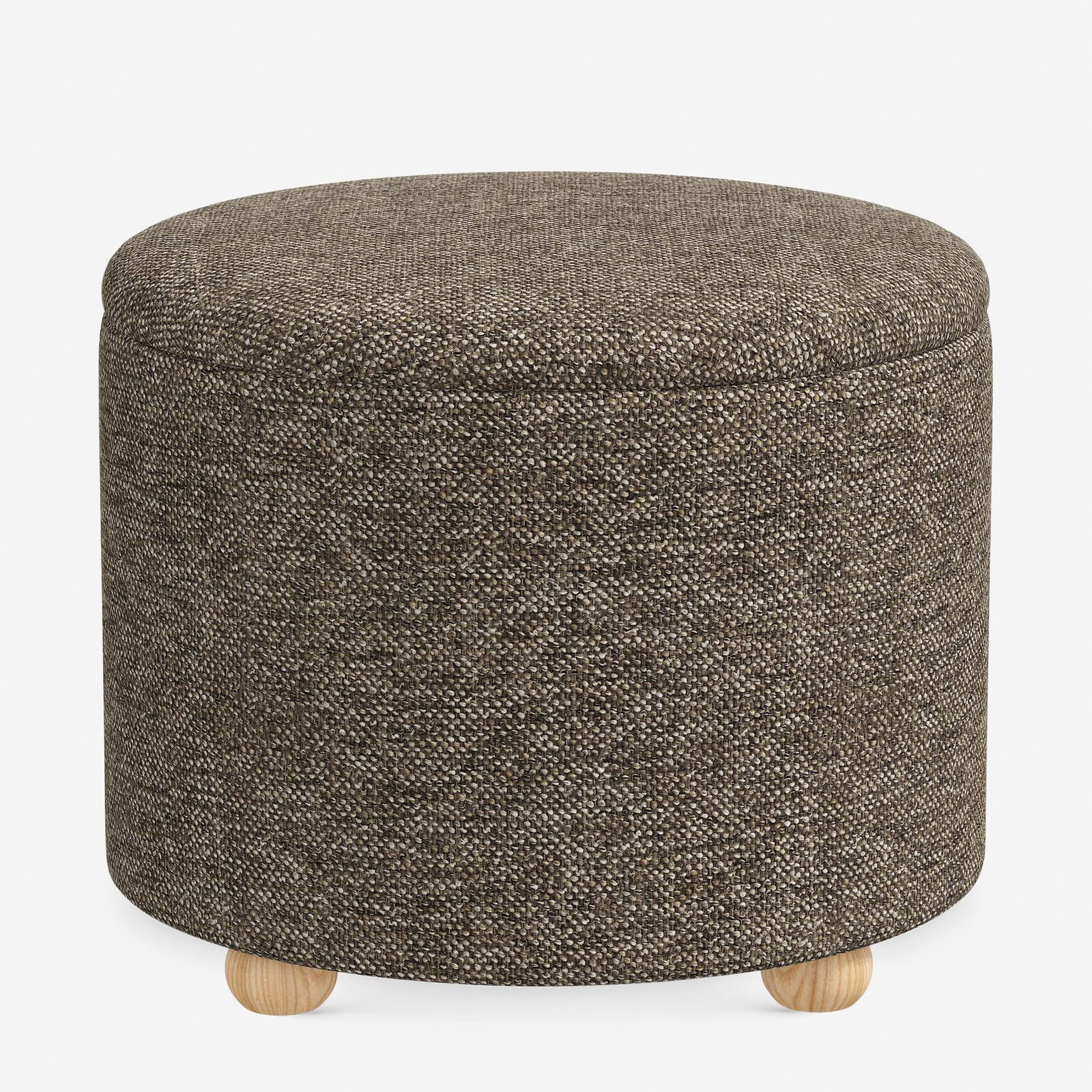
If you’re sourcing storage ottomans or an ottoman bench line, your best protection isn’t negotiating harder—it’s specifying better.
Use this RFQ template and you’ll get:
-
comparable quotes
-
fewer surprises in production
-
lower return risk
-
and reorders that behave like reorders



