If you’re a buyer, you’ve probably heard “2026 will be all about personality” a thousand times. That’s not the useful part.
The useful part is this: the winning 2026 programs won’t be the most “on-trend” samples—they’ll be the ones you can scale without drift, damage, or redesigning the plan every reorder.
That’s why smart buyers are treating interior design trends 2026 as routes, not random ideas: a handful of repeatable directions that can be translated into SKUs you can buy, ship, sell, and replenish.
Here’s the one-line positioning that connects what you need to what we build—without pretending the sample is the job:
Teruier turns 2026 design trend insights into reorder-ready programs—so your bedroom ottoman wholesale assortment follows clear design direction and style routes, with specs locked for production, not just photos.
The 2026 signal buyers can trust: “more human, more tactile, more expressive”
Across major design editors and designer forecasts, 2026 is pointing toward interiors that feel less sterile and more lived-in—craft, texture, and personality are showing up everywhere.
For buyers, that matters because “human” translates into clear product decisions:
-
tactile upholstery instead of flat fabrics
-
layered materials instead of one-note finishes
-
warmer palettes and richer accents instead of cold minimalism
The three design direction and style routes that map cleanly to purchase orders
You don’t need 20 micro-trends. You need 3–4 routes that can hold a line plan and survive reorders.
Route 1: Handcrafted feel (the “human hand” route)
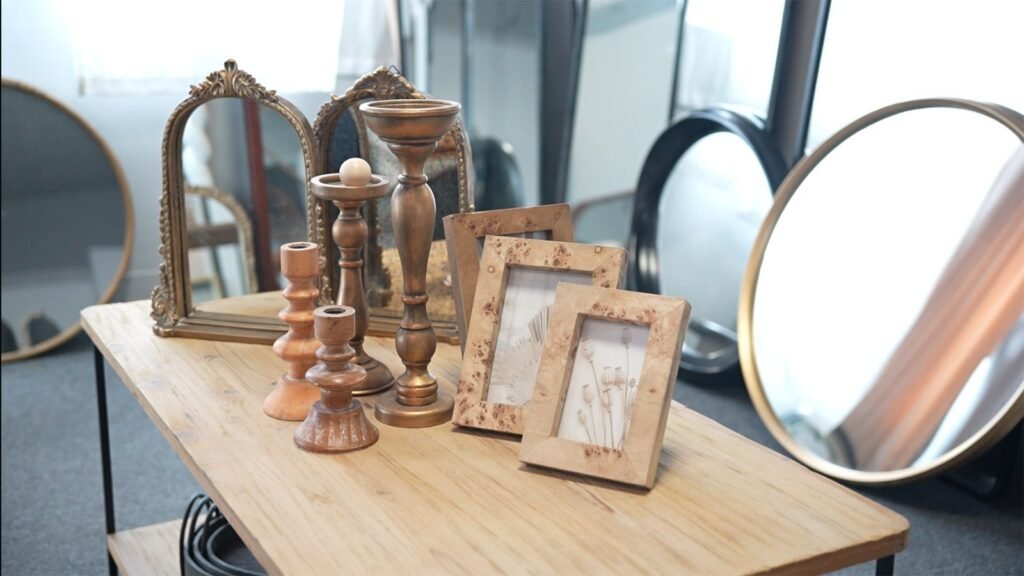
Design coverage is leaning into visible craft—imperfection as premium: brushy finishes, tactile surfaces, and pieces that look made, not printed.
Buyer translation: natural textures, stitched details, softer edges, and materials that don’t feel overly machine-perfect.
Route 2: Comfort-core + soft forms (the “touch-first” route)
Editors and show reports are calling out cozy, organic shapes and comfort-driven pieces—small accents that make a space feel warmer and more personal.
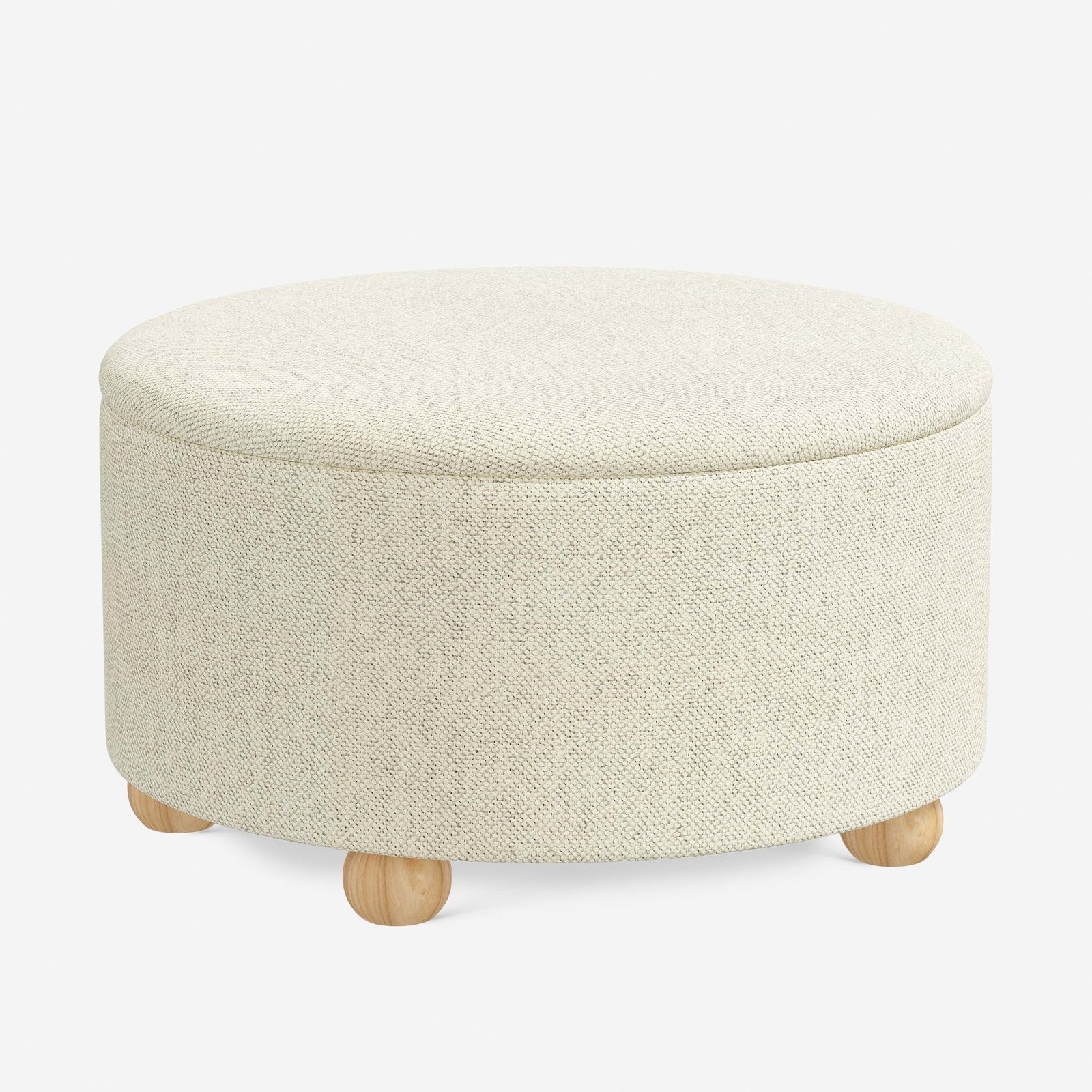
Buyer translation: plush ottomans, rounded silhouettes, compact movable seating that works in bedrooms and small living zones.
Route 3: Expressive color + elevated accents (the “statement layer” route)
Color is staying present in 2026 (with richer, earthier and bolder directions depending on the outlet), and metallic character continues to show up as a way to add “upgrade” without redoing the whole room.
Buyer translation: accent finishes, mixed textures, and “one hero detail” items that raise perceived value on shelf.
Where bedroom ottomans win in 2026 (and why buyers like them)
Bedroom ottoman wholesale is a buyer-friendly category because it solves three problems at once:
-
adds function (seat/footrest/bed-end styling)
-
adds softness (a comfort signal customers instantly understand)
-
carries well across channels (community stores, chains, online, hospitality-lite)
To match the 2026 routes above, the cleanest buy plan is usually a tight trio:
-
The touch-first ottoman (comfort-core): teddy, shearling-style, bouclé-like textures—small footprint, high conversion
-
The crafted-neutral ottoman (human-hand): woven, textured neutrals, stitched seams, subtle irregularity that reads premium
-
The statement ottoman (accent layer): one detail—leg shape, piping, or a controlled color—kept within strict spec so reorders don’t drift
The real buyer risk isn’t trend risk—it’s production drift
Buyers don’t lose their quarter because a style route was wrong. They lose it because:
-
the second run doesn’t match the first (tone/hand-feel/height)
-
packaging compresses plush goods and they arrive “flattened”
-
lead time slips and you miss the floor-set window
-
the factory interprets your sample instead of reproducing it
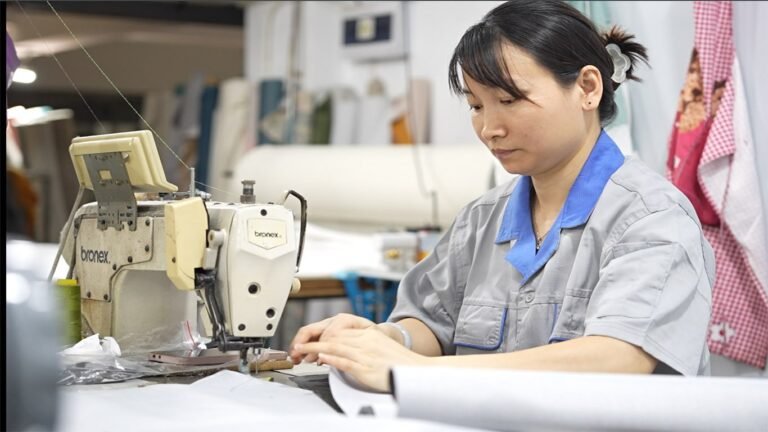
This is exactly where a custom design home decor factory matters—not for creativity, but for discipline.
What to demand from a factory so “trend” becomes “reorder”
When you’re converting design trend insights into a real assortment, these are the controls that keep you out of firefighting:
-
Spec lock, not mood lock: foam density, seat feel, upholstery pile/hand-feel standard, seam placement, and tolerance range
-
Master reference control: one signed-off golden sample + photo + measurement pack that production must match
-
Packaging designed for reality: corner protection + compression rules + carton strength (so plush items don’t arrive tired)
-
Reorder protocol: a repeat run should be the same SKU, not “version 2”
Buyer persona reality: who this program is really for
Even if your assortment ships globally, most buyers are serving the same end customer profile:
-
Region: urban + suburban households where bedrooms double as “personal retreat” zones
-
Customer: renters and first-home owners who want a fast upgrade without big furniture spend
-
Group tendency: touch-driven shoppers—texture sells; inconsistency returns
-
Price band: value-to-mid where perceived comfort must beat the ticket
-
Use scenario: bed-end styling, vanity seating, extra seat for small rooms—high visibility, easy impulse add-on
If your supplier can’t keep the tactile promise consistent, this customer punishes you quickly.
pick routes you can replenish, not just trends you can launch
For 2026, the most profitable buying strategy is simple: choose 2–3 clear design direction and style routes, then build a bedroom ottoman wholesale program that can reorder without anxiety.
That’s how trends stop being slide-deck language—and start becoming revenue you can repeat.