
Custom Design Home Decor Factory: The “Perfect Sample” Isn’t the Win—The Reorder Is
Anyone can show you a beautiful sample.
The real test is what happens next:
-
Does the bulk run match the approved finish under real lighting?
-
Does the packaging protect delicate surfaces through real shipping?
-
Can you reorder the bestseller three months later without “close enough” substitutions?
That’s why choosing a custom design home decor factory isn’t a styling decision. It’s a profit decision.
And in a returns-heavy world, profit protection starts before the product hits the shelf. The National Retail Federation reported returns projected at $890 billion in 2024 (with retailers estimating 16.9% of sales returned)—and while 2025 projections eased slightly, they’re still enormous.
So the best buyers and designers aren’t asking, “Can you make this look?”
They’re asking, “Can you keep this outcome stable—at scale—on schedule?”
What “custom design” really means in 2026
Custom design doesn’t mean “anything you want.”
It means your factory can consistently translate:
a trend direction → a buildable spec → a repeatable SKU → a reorderable program.
That translation step is where most suppliers break. You’ll see it in:
-
undertone drift (your “warm brass” becomes “yellow gold”)
-
texture drift (the fabric hand-feel changes between batches)
-
dimension drift (pieces no longer align in a set)
-
packaging drift (arrives scuffed, chipped, or cracked)
A factory that can’t control drift forces you into firefighting: reshoots, returns, replacements, angry project timelines.
The authority-backed proof a serious factory can speak to
A reputable factory doesn’t “promise quality.” They can show a system that supports it.
Quality control that’s bigger than final inspection
If a supplier understands quality management systems, you’ll hear them talk about process control—not just end-of-line checks. International Organization for Standardization describes ISO 9001 as a globally recognized quality management standard focused on establishing, implementing, maintaining, and continually improving a QMS.
Why it matters to you: custom programs fail when production improvises. A QMS mindset reduces “surprise variation.”
Packaging that’s engineered for distribution, not for photos
If your décor arrives damaged, your margin is gone—no matter how good the design is.
International Safe Transit Association publishes test procedures designed to simulate transport hazards; its 3-Series is intended to simulate damage-producing motions, forces, and sequences in transport environments.
Why it matters to you: the factory that treats packaging as “ops” is the factory that creates return problems you can’t out-price.
Trend credibility that isn’t guesswork
A custom design factory should be able to align design choices with real demand signals, not whatever they’re trying to push this month. Pinterest publishes annual Pinterest Predicts trend forecasting for the year ahead.
Why it matters to you: trend-to-SKU is how you avoid buying “pretty inventory” that doesn’t move.
The hidden buyer/designer reality this article is really about
If you’ve ever had a line review where everything looked great… until someone asked:
“Can we reorder it without risk?”
…then you already know what the job is.
-
You’re trying to protect sell-through without getting crushed by returns.
-
You’re trying to protect design intent without lighting revealing finish drift.
-
You’re trying to protect timelines without replacement pieces turning into a second project.
Here’s the viewpoint that separates “shopping product” from “building a program”:
A custom décor piece isn’t a product until it’s reorderable.
That’s what a true factory partner delivers: repeatability, not just creativity.
The three most common “competitors” (and where they tend to break)
When buyers or designers source custom décor, they usually end up in one of these routes:
1) Marketplace sourcing
Plenty of options. Fast quoting. Easy sampling.
But it often breaks on: spec ownership, consistency, substitution control, and packaging accountability.
2) Trading layer / quote broker
Fast RFQs across many factories.
But it often breaks on: “telephone game” specs, slow corrective loops, inconsistent reorders.
3) Single-category factory
Great at one category (only mirrors, only ceramics, only seating).
But it often breaks on: cross-category coordination (finishes don’t match), and “room story” consistency across collections.
Where Teruier is different: value translation + profit protection
Teruier is positioned as a design-to-delivery coordination hub—built around value translation:
trend intent → spec pack → QC checkpoints → packaging discipline → reorder stability
That’s what turns “custom design” into a merchant profit plan:
-
Fewer damaged arrivals (packaging discipline guided by distribution reality).
-
Fewer returns erasing margin (because repeatability reduces “not as expected” outcomes).
-
Faster replenishment confidence (because your winners stay consistent and reorderable).
In other words: not “we can make anything,” but we can keep your best-sellers the same.
A practical checklist: how to spot a real custom design home decor factory
If you’re evaluating factories, these questions cut through marketing fast:
-
How do you lock the approved sample into a spec pack? (materials, tolerances, finish targets)
-
Where are the QC checkpoints before packing? (not just “final inspection”)
-
What’s your packaging standard for fragile/finish-sensitive items? (do you reference distribution hazard testing logic like ISTA?)
-
What is your substitution policy on reorders? (what can change, what cannot, and who approves)
-
How do you keep finishes consistent across a collection? (mirror metal + ceramic glaze + wood stain undertone alignment)
-
How do you plan reorders? (master reference retention, batch tracking, lead time checkpoints)
A supplier who answers clearly is selling a system—not a sample.
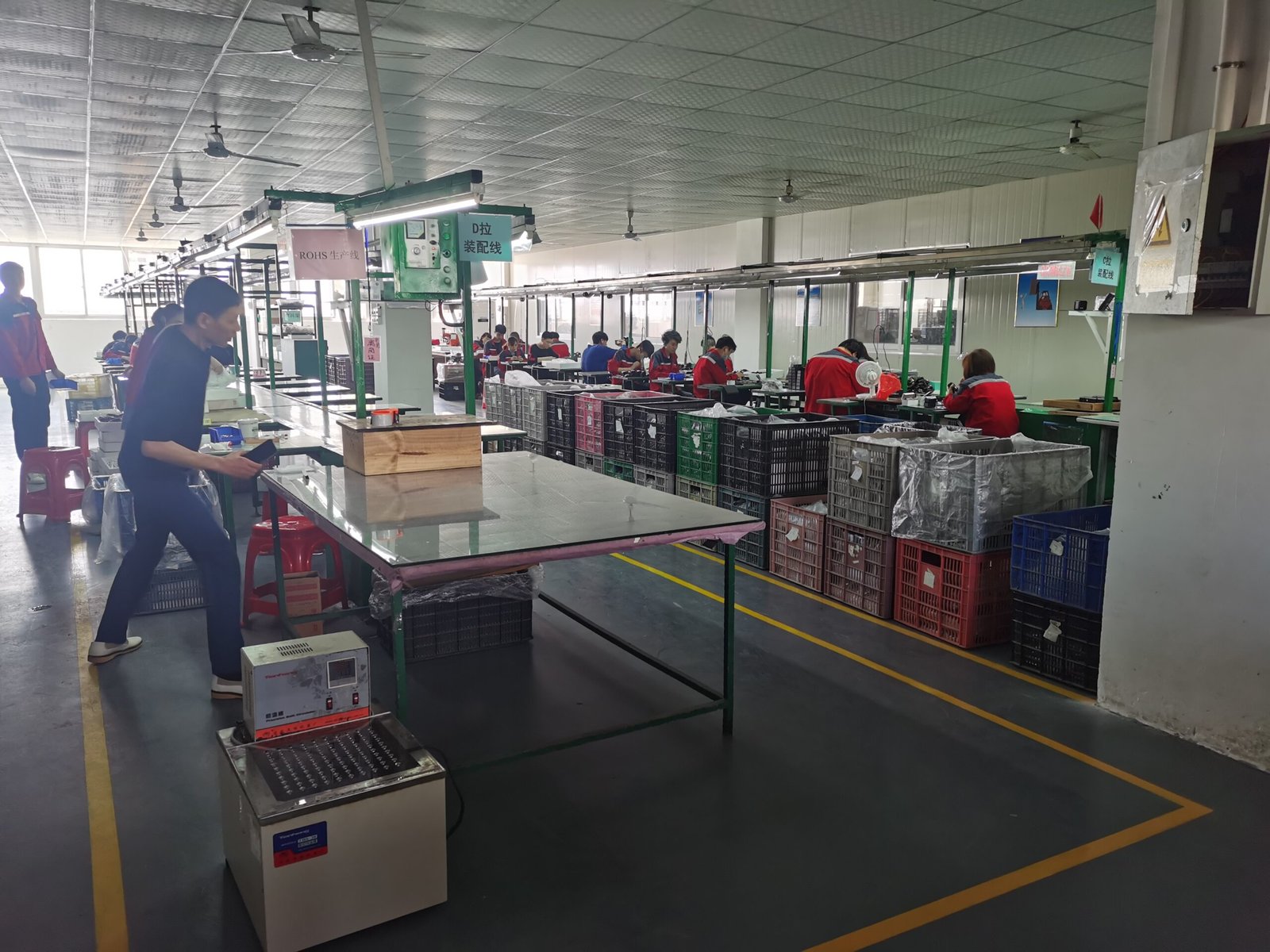
Custom décor that scales feels boring behind the scenes
On the customer side, the collection should feel inspiring.
Behind the scenes, it should feel boring:
-
a real quality system mindset (QMS discipline, not guesswork)
-
packaging that’s built for shipping reality
-
trend direction that’s grounded in real demand signals
-
and reorders that don’t mutate into “almost the same”
That’s what a reliable custom design home decor factory actually delivers—and that’s the gap Teruier is designed to fill: translating design intent into repeatable, reorder-ready décor that protects brand trust, project outcomes, and margin.



