
In retail, the best sellers are rarely the biggest items. They’re the pieces shoppers can touch, justify, and carry home emotionally—even if they ship later. That’s why the ottoman remains a retail workhorse: it’s compact, flexible, and instantly useful.
But buyers also know the downside: when you scale ottoman wholesale, the problems don’t show up in the showroom photo. They show up at receiving, on the floor, and in return claims—crushed corners, scuffed fabric, flattened upholstery, and “this one feels different than the other one.”
That’s why a winning program isn’t just about choosing the right upholstered ottoman style. It’s about choosing a supplier system that can repeat the same look and feel, while protecting the product through transit.
Here’s the one-line positioning that matters for mall buying (because it describes a system, not a trend):
A custom ottoman manufacturer that delivers small upholstered ottoman wholesale with retail-grade ottoman packaging—so every ottoman stool and ottoman reorder matches the approved standard.
Why small upholstered ottomans outperform on the sales floor
A small upholstered ottoman wholesale program works because it hits three retail truths:
-
it’s easy to add-on to a larger ticket purchase
-
it finishes a room vignette without taking floor space
-
it converts on touch (texture and comfort sell fast)
Shoppers use them as footrests, extra seating, entryway drop zones, and “soft blocks” that make a space feel styled. For mall floors, that’s ideal: quick decision, high perceived value, low friction.
The buyer profile behind today’s ottoman demand
Your end customer may not describe it in technical terms, but their behavior is consistent.
Region (where sales patterns differ)
-
North America: trend cycles move fast; returns are costly; packaging matters
-
Middle East: premium look expectations and strong finish scrutiny
-
Europe: texture sensitivity and proportion discipline
Customer (who buys it)
-
first-home shoppers furnishing on a budget but wanting “cozy”
-
families wanting movable seating and easy comfort
-
style-driven shoppers buying texture as a statement
-
gift buyers looking for safe, functional décor
Group tendencies (who it skews toward)
Small ottomans perform well with customers who value flexibility: younger households, apartment dwellers, and anyone who wants a room to feel complete without buying big furniture.
Price band (spending power)
-
value: must feel solid and look clean
-
mid-tier: expects better foam, better upholstery, better finishing
-
premium: expects consistency across multiples and reorders
Use scenarios (how it’s used)
Living room accent, bedroom foot piece, vanity seating, boutique waiting corners, and staged “pairing pieces” under consoles and mirrors.
Once you map these tags, your sourcing requirement becomes obvious: you need consistency under scale.
Ottoman stool vs. upholstered ottoman: what sells, and why it must be consistent
Retail buyers often carry both:
-
an ottoman stool that’s light, flexible, and easy to merchandise in multiples
-
a fuller upholstered ottoman that anchors a vignette and signals comfort
The risk is that these pieces are high-touch. Customers compare them side-by-side. If one feels softer, looks warmer, or sits lower, it reads like a quality problem—even when the difference is “small.”
That’s why the supplier’s repeatability matters more than the silhouette.
Ottoman packaging is not logistics—it’s margin protection
The fastest way a great ottoman program turns into a return problem is simple: weak ottoman packaging.
Most retail damage happens before the product ever hits the sales floor:
-
corners crushed in stacking
-
fabric scuffed from rubbing inside the carton
-
upholstery flattened from compression
-
legs or bases denting through carton walls
-
cartons arriving “dirty” or torn, reducing floor readiness
Retail-grade packaging should be designed for real handling—multiple touchpoints, dock receiving, backroom stacking, and last-mile movement. When packaging is engineered as part of the product system, your claim rate drops, your floor presentation improves, and your reorders become safer.
If your team wants to standardize this across all soft seating SKUs, a practical framework inside ottoman packaging can become your internal checklist for every future PO.
Why a custom ottoman manufacturer beats a “sample-only” vendor
Many vendors can show a good sample. Fewer can repeat it.
A true custom ottoman manufacturer locks the master reference—foam density, fabric spec, stitching placement, structure, and finish tone—so production teams aren’t “interpreting” the product each time you reorder.
That kind of repeatability is exactly what mall buying needs, because successful SKUs don’t stay small. They scale across stores, seasons, and replenishment cycles.
Why Teruier’s craft-hub foundation supports repeat runs
Teruier is built from a manufacturing craft hub in the Fuzhou region—an area shaped by long-standing craft culture and modern home décor production capacity. The advantage for retail isn’t the romance; it’s stability.
That stability comes from three coordinated supply chains:
-
Artisans (people): upholstery finish discipline, seam alignment, tactile consistency checks
-
Materials: stable sourcing for fabrics, foam, wood structures, and packaging materials
-
Process: repeatable workflows that prevent drift after sampling
We also stay connected with US and EU designers who track trend movement, so best-selling textures aren’t treated as one-off trends—they’re translated into buildable specs that can be repeated.
A mall buyer’s checklist before you scale ottoman wholesale
Before you lock your next line plan, ask:
-
How do you lock foam density and structure across reorders?
-
What controls ensure fabric tone and hand-feel stay consistent?
-
What defect standards apply to seam alignment and corner squareness?
-
What packaging prevents corner crush and surface scuffing at receiving?
-
Do you keep a master reference so the reorder matches the approved sample?
If a supplier can’t answer these clearly, the risk will show up in returns.
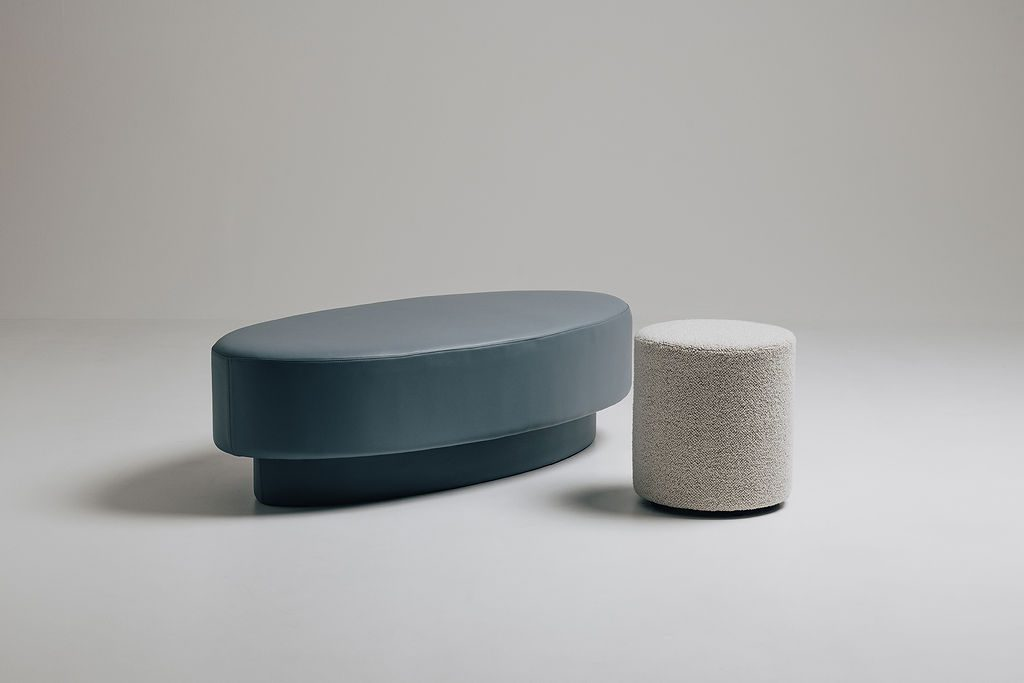
a great ottoman program is built for replenishment
The ottoman category is a retail favorite because it’s flexible, functional, and easy to sell. But the program only stays profitable when it’s built for repeat runs—when every ottoman, every upholstered ottoman, and every ottoman stool arrives consistent, floor-ready, and protected in transit.
That’s why the strongest small upholstered ottoman wholesale programs pair product selection with system discipline: a reliable custom ottoman manufacturer, retail-grade ottoman packaging, and a reorder process that keeps your best sellers stable.



