
Interior designers are rarely short on inspiration. The real constraint is execution—getting the chair you specified to arrive exactly as expected, then being able to reorder it six months later without a new round of surprises.
That’s why choosing an upholstered chair supplier is never just a vendor decision. It’s a workflow decision: you’re selecting how design intent gets translated into measurable specs, production checkpoints, packaging standards, and logistics reality.
And if you’ve ever worked with a home accessories manufacturer China on décor programs, you already know the upside: speed, breadth, and the ability to scale. The risk is also familiar: inconsistencies that only show up after the sample phase, when time is tight and the client is watching.
Here’s the one-line positioning that matters for designers—because it describes a system, not a promise:
A designer-ready upholstered chair supplier inside a China home accessories manufacturing network, using an Amazon listing system to lock SKUs, specs, and reorder consistency.
Why designers should think in “SKU discipline,” not just style
The most common sourcing failure isn’t “bad design.” It’s a lack of SKU discipline. Chairs drift when the spec isn’t locked in a way production teams can repeat. Fabric hand-feel changes. Foam density shifts. Leg finishes land warmer or cooler. Stitching lines move by a few millimeters—enough to show in a clean, modern room.
Designers don’t need a thousand chair options. You need a small set of chairs that can be specified like a system—so your projects stay consistent across rooms, phases, and reorders.
This is exactly why an Amazon listing system is surprisingly useful even for B2B design sourcing. Not because you’re selling on Amazon—but because the listing mindset forces a supplier to document what matters:
-
a stable product identity (SKU that doesn’t change)
-
clear spec language (materials, finishes, measurements)
-
consistent photo references (what “approved” actually looks like)
-
packaging and handling requirements (what arrives safely, not just what photographs well)
In other words, it turns “a chair we like” into “a chair we can repeat.”
The buyer profile behind today’s upholstered chair decisions
Designers often source chairs for clients who don’t describe what they want in technical terms—they describe outcomes: comfort, durability, a higher-end feel, and a room that stays beautiful after daily use.
A supplier worth working with can recognize these tags quickly:
Region (where projects happen)
-
North America: performance fabrics, neutral palettes, fast timelines
-
Middle East: premium finish expectations, heavier use in hospitality settings
-
Europe: texture sensitivity, proportion discipline, craft cues
Customer (who uses it)
-
residential clients who care about comfort and longevity
-
hospitality teams who care about durability and replacement speed
-
retail displays and staging teams who care about look consistency across multiples
Group tendencies (who the space is for)
-
families: stain resistance, stability, safer edges
-
young professionals: compact forms, modern lines, quick refresh
-
premium buyers: refined stitching, tight upholstery, consistent finish tone
Price band (spending power)
-
value: must look clean, feel comfortable, and ship reliably
-
mid-tier: better foam, better frames, better stitching discipline
-
premium: tighter tolerances, higher consistency across repeat runs
Use scenarios (where it sits)
Dining sets, desk chairs, boutique waiting areas, hotel rooms, model homes, staged resale listings—places where multiples must match, and reorders must be predictable.
Why “home accessories manufacturer China” matters when you’re sourcing seating
Many designers separate “decor” and “furniture” sourcing. In reality, they’re connected: your chair must match the finish language of surrounding accessories, and the shipping plan often bundles categories together.
Working with a home accessories manufacturer China network can be an advantage when it’s organized correctly—because it allows you to coordinate chairs with complementary décor and packaging standards. The key is whether the supplier is operating like a system integrator (protecting outcomes) or a product broker (showing options).
This is where Teruier’s roots matter. We’re built from a manufacturing craft hub in the Fuzhou region—an area shaped by long-standing craft culture and modern production capabilities. The practical advantage is not “romance.” It’s a stable foundation of three coordinated supply chains:
-
Artisans (people): upholstery finish discipline, stitching alignment, detail control
-
Materials: stable access to fabrics, foam, wood structures, hardware, finishing systems
-
Process: repeatable workflows that prevent drift after sampling
Layer in ongoing feedback loops with US and EU designers, and you get what interior designers actually need: trend awareness translated into stable, buildable, reorderable SKUs.
A practical checklist before you commit to any upholstered chair supplier
If you want fewer “almost right” surprises, you need the supplier to answer these cleanly:
-
How do you lock foam density, fabric spec, and frame structure for repeat runs?
-
What are your upholstery tolerance standards (wrinkling, seam alignment, piping position)?
-
How do you control finish drift for legs (tone, sheen, scratch resistance)?
-
What packaging standards prevent corner damage and fabric scuffing in transit?
-
How do you document the master reference so reorders match the approved sample?
A supplier that can’t document this is asking you to manage risk manually.
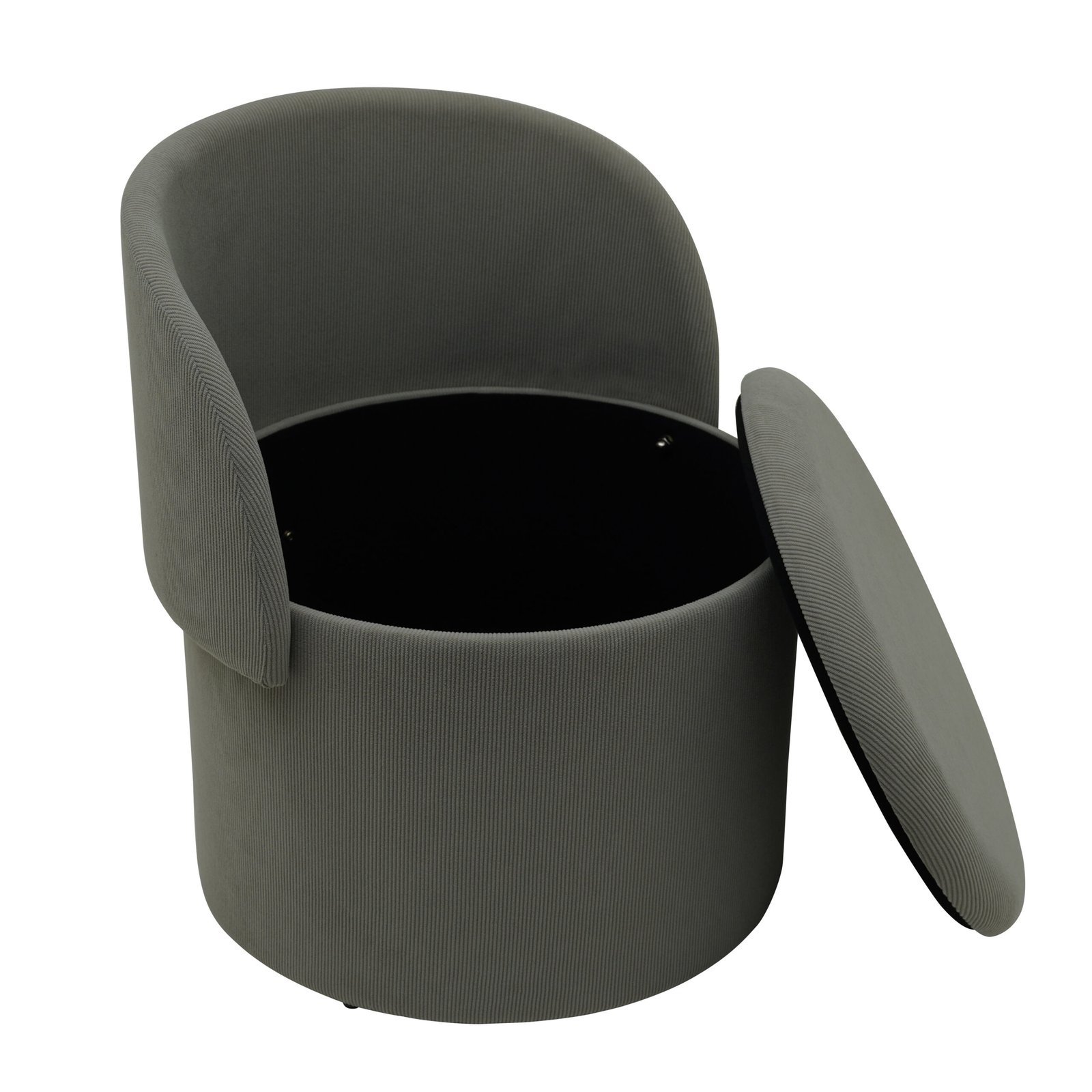
designers don’t need more vendors—they need fewer surprises
The best sourcing feels boring—in the best way. The chair arrives as specified. The finish matches. The comfort is consistent. The packaging protects. The reorder is predictable.
When you pair a reliable upholstered chair supplier with the scale and coordination benefits of a home accessories manufacturer China network—and apply the SKU discipline of an Amazon listing system—your sourcing becomes repeatable, not fragile.
And repeatable sourcing is what lets designers scale their taste into real, dependable delivery.



