
Interior designers rarely lose trust because a room looks wrong on day one. They lose time, margin, and credibility when the second shipment doesn’t match the first—when the sample was perfect, but the bulk order arrives almost the same.
Ottomans are where this breaks quietly. They’re small, movable, and constantly used. A slight shift in fabric tone, foam feel, stitching alignment, or leg finish can throw off the “designed” look of an entire space. That’s why choosing an ottoman supplier should be less about chasing a style and more about choosing a system—one that protects your intent from sample to reorder.
Here’s the positioning we build around, because it’s what designers actually need:
Reorder-ready ottomans that translate design intent into locked specs—and arrive on schedule through consolidated shipping.
What a true storage ottoman supplier delivers (beyond the photo)
A storage ottoman supplier isn’t selling “an ottoman with a lid.” They’re delivering a functional piece with real tolerance requirements—hardware alignment, safety, and durability that hold up after months of daily open-close use.
For storage ottomans, the difference lives in details that rarely show in a listing:
-
The lid stays flush over time (no shifting, no uneven gaps)
-
Hinges open smoothly and remain tight after repeated use
-
Interior finishes are clean and consistent (lining, edges, odor control)
-
The frame and foam support daily sitting, not just staging
An ottoman stool, on the other hand, is often chosen for styling flexibility and quick seating. But stools get moved more than people expect, which means legs, joints, and upholstery take stress fast. A reliable ottoman supplier should deliver both categories with the same consistency standards—so your room doesn’t “drift” when you reorder.
The buyer profile behind today’s ottoman decisions
Designers don’t specify in a vacuum. Your end-user profile shapes material choices, durability requirements, and even carton standards—especially if you’re coordinating with a retail partner like a community home decor store.
Region (where projects happen)
North America tends to prioritize performance fabrics and tight delivery windows. The Middle East often expects premium finishes, stronger packaging, and project-level coordination. Europe is typically more sensitive to materials, texture, and craftsmanship details.
Customer (who uses it)
Residential clients notice comfort and fabric hand-feel immediately. Hospitality operators notice durability and replacement speed. Retail partners—especially a community home decor store—need floor-ready looks that can be reordered without drift.
Group tendencies (who the space is for)
Families want storage and durability. Young professionals want compact, multi-function pieces. Premium buyers demand refined stitching and repeatable finishes.
Price band (spending power)
Value projects must hit a number without looking “flat.” Mid-tier projects need better foam and structure. Premium projects require tighter tolerances and stronger finish consistency.
Use scenarios (how it performs in the room)
Bedroom foot piece, living room anchor, entryway drop zone, boutique waiting area, hotel suite styling. Storage ottomans add repeated hardware use—so hinge alignment and safety tolerance become non-negotiable.
Consolidated shipping isn’t logistics—it’s timeline protection
Most design projects don’t ship one item. You’re coordinating seating, décor, mirrors, and accessories across multiple rooms and deadlines. Without consolidated shipping, the usual pain shows up fast: split arrivals, confusing labeling, mismatched packaging protection, surprise freight costs, and higher damage rates.
If you’re building a smoother receiving-and-install workflow, the principles in Consolidated Shipping for Home Décor Projects: A Practical Guide for Designers are a practical starting point—especially when your project includes multiple SKUs that must arrive together and look consistent in one install window.
Why the Fuzhou craft hub advantage shows up in repeatability
“Handcrafted” only matters if craftsmanship is organized into a stable supply system.
Teruier is built in a manufacturing craft hub in the Fuzhou region—an area shaped by long-standing craft culture and modern home décor production capacity. The advantage isn’t a slogan; it’s a coordinated foundation of three supply chains:
-
Artisans (skilled hands and finish discipline)
-
Materials (stable access to foam, hardware, wood structures, fabrics)
-
Process (repeatable workflows that prevent spec drift)
That foundation is also why we work closely with US and EU designers who track consumer behavior and trend direction—then translate that input into stable, buildable specs. If you’re curious how that translation works end-to-end (from inspiration to repeat runs), From Trend to Reorder: How We Translate Design Intent into Stable Production explains the logic in a way most suppliers never document.
A quick checklist before you commit to any ottoman supplier
Ask these once—your supplier’s answers will tell you whether they’re photo-based or system-based:
-
How do you lock specs between sample approval and bulk production?
-
What foam density and frame standards are documented for repeat runs?
-
For storage ottomans: how do you test hinges, lid alignment, and safety tolerance?
-
What packaging standards protect corners and legs in real transit?
-
Can you support consolidated shipping with mixed categories and consistent carton marking?
-
What does reorder look like—do you keep a master reference and QC checkpoints?
If you want a clear, designer-friendly way to audit a vendor’s repeatability, QC Checkpoints That Make an Ottoman Reorder-Ready lays out the exact checkpoints that prevent “sample-perfect, shipment-different” outcomes.
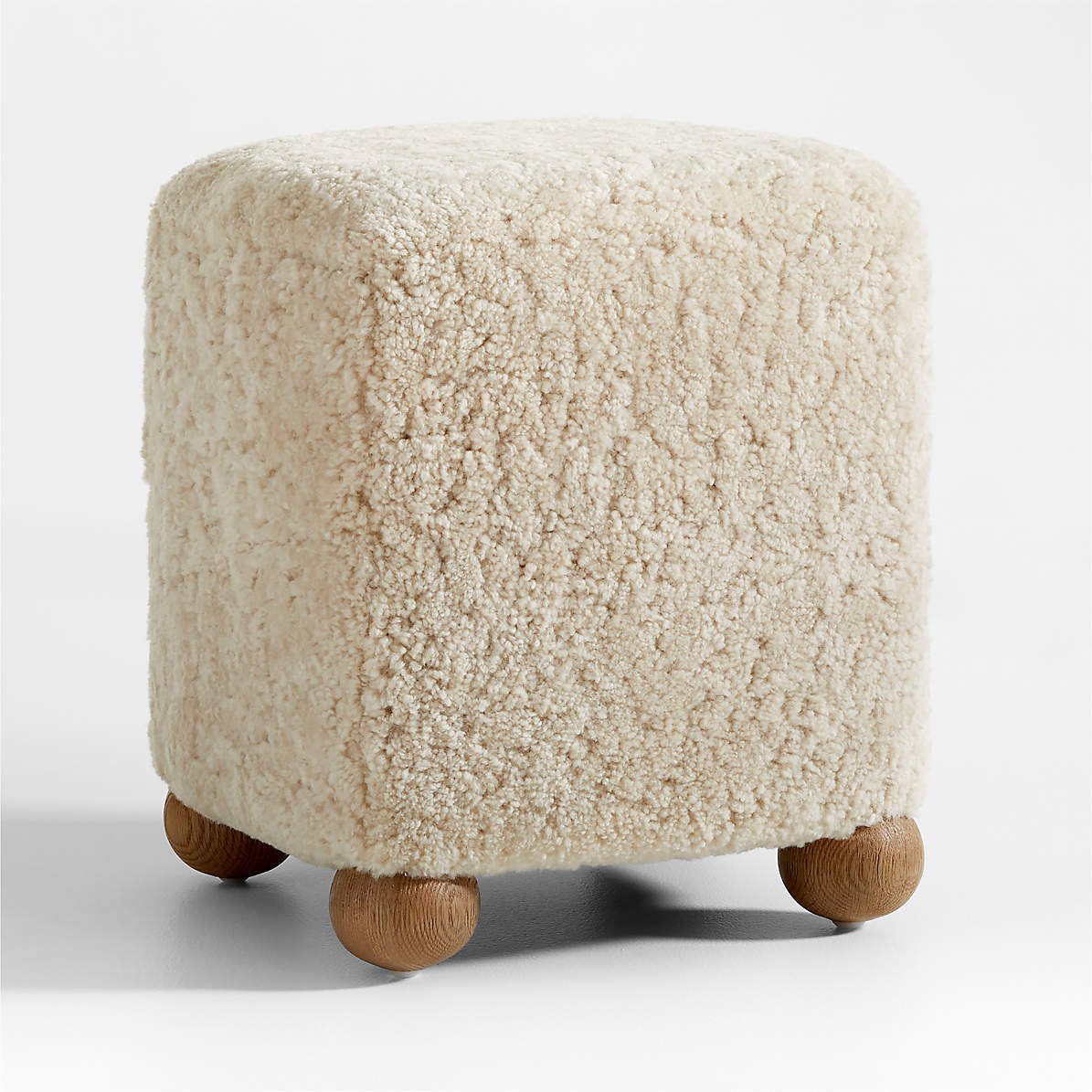
the win is the reorder
Designers don’t need endless options. You need a small set of pieces that can be specified with confidence, reordered without drift, and delivered without drama.
A great storage ottoman supplier helps you do exactly that—whether you’re specifying hidden storage for a family space, selecting an ottoman stool for flexible seating, or supporting a retail collaboration with a community home decor store.
Because the real win isn’t the sample.
The win is the reorder.



