
Custom Ottomans That Behave Like a Program, Not a One-Off
If you’re a retail buyer or a designer supporting a home décor assortment, you already know the uncomfortable truth: an ottoman can look perfect in a photo… and still become a headache in bulk.
The issues don’t usually start with “can they make it.” They start with everything around it—foam feel drifting across batches, fabric tone shifting under store lighting, legs scratching in transit, cartons getting crushed, and that painful moment when a reorder doesn’t match the original run.
That’s why choosing a custom ottoman manufacturer isn’t a style decision. It’s a program decision: can this partner deliver a custom product solution that stays stable from sample to bulk to reorder?
A clean way to describe what good looks like—without sounding like a slogan—is this:
retail-fit ottomans, built from first-line production reality, not just trend dashboards.
The Customer You’re Really Designing For (And Why It Changes the Specs)
Most ottoman programs in mass retail sell best when they match a very real end-user picture:
-
Region: North America + EU-influenced styling markets (and increasingly GCC-inspired “premium feel” expectations)
-
Customer: everyday home upgraders, renters styling small spaces, first-home couples, gift buyers
-
Group tendency: purchase influence often clusters around women 25–44, but the product must read neutral and “easy to place”
-
Price band: smart value to affordable premium—shoppers will pay for comfort + look, then punish defects instantly
-
Use scenarios: entryway seating, living room extra perch, bedroom bench moment, kids-room storage helper, quick “weekend refresh” upgrade
Once you hold that picture, the product decisions become clearer: comfort consistency matters, fabric hand-feel matters, and packaging is no longer optional—it’s part of the product experience.
What a Real Custom Product Solution Looks Like in Ottomans
A custom product solution isn’t “we can change the fabric.” It’s a coordinated system across design, materials, process, and packaging so your assortment stays coherent and reorder-friendly.
For retail buyers and designers, that usually means:
-
a controlled silhouette family (so the collection looks intentional)
-
fabric and color discipline (so neutrals don’t drift)
-
consistent comfort spec (foam density / rebound feel)
-
stable leg and hardware choices (to reduce wobble and returns)
-
packaging engineered for real handling (so the first impression isn’t damage)
This is exactly where a good custom ottoman program separates itself from “nice sample, risky bulk.”
Custom Packaging: The Fastest Margin Protector You Can Buy
Ottomans are deceptively vulnerable: corners crush, legs scratch, boucle snags, light fabrics show marks instantly. That’s why custom packaging should be treated like a spec, not an afterthought.
Retail-friendly custom packaging usually includes:
-
surface protection that doesn’t transfer dye or leave rub marks
-
corner and edge structure to resist compression
-
internal fixing so the ottoman doesn’t shift and self-damage
-
leg/hardware isolation so metal never touches fabric in transit
-
clean unboxing sequence (buyers notice “premium” in 10 seconds)
When packaging is designed properly, it quietly reduces returns, claims, and re-shipments—while keeping the product looking like it’s worth the price.
A line that feels like capability (not advertising):
ship-safe, shelf-ready.
Why “First-Line” Manufacturing Insight Beats Data-Only Selection
E-commerce data and trend reports can tell you what’s popular. They don’t always tell you what will stay consistent once you scale—and ottomans punish inconsistency fast.
Teruier’s edge is built in a Fuzhou-area craft hub (工艺品之乡), where production reality is close enough to spot issues early—fabric performance, stitching discipline, frame stability, finish durability—before they become retail problems. That’s supported by three mature supply chains working together: craftsmen, materials, process.
And because design still matters, Teruier’s collaboration with European/American designers helps keep silhouettes, proportions, and neutral palettes aligned with what Western buyers actually place in homes—so the range feels current, not copied.
A simple phrase buyers tend to remember because it describes outcomes:
custom-built, reorder-stable.
The Quiet Differentiator: Customer Service Manager Preparation
Most suppliers talk about making product. The better ones talk about managing the program after approval.
That’s where customer service manager preparation becomes a hidden advantage—especially for retail. Before bulk starts, a prepared team aligns:
-
the final spec baseline (what “match” means)
-
the packaging plan and handling rules
-
the QC checkpoints tied to return triggers
-
replacement and spare-part logic (legs, hardware, fabric lot notes)
-
phased delivery expectations and reorder timing
It’s not glamorous, but it’s what keeps your launch from turning into weekly firefighting—especially when multiple doors, multiple DC touches, and multiple reorders are involved.
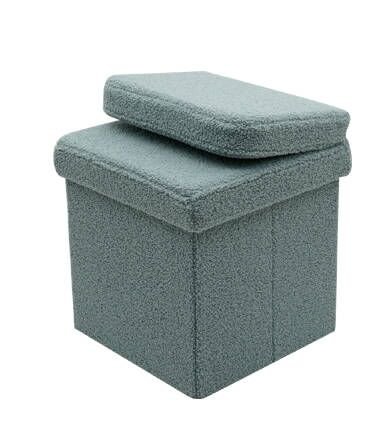
The Retail Standard for Custom Ottomans
If you’re building an ottoman program for mass retail, the winning formula is straightforward:
a custom ottoman manufacturer who can deliver a true custom product solution + custom packaging that protects margins + customer service manager preparation that keeps reorders consistent.
That’s how a custom ottoman stops being a one-season bet—and becomes a repeatable retail performer.



