
Ceramic Quality Control That Retail Teams Can Trust
Because “pretty” isn’t the job—repeatable is.
If you buy or design ceramic décor for a supermarket home program, you’ve lived the same story: the sample looks perfect, the first bulk is “mostly fine,” and then a reorder drifts—color shifts, glaze pinholes show up, edge chipping increases, cartons arrive crushed, and suddenly your margin is paying for returns.
That’s why ceramic quality control has to be treated as a system, not a final inspection. The retailers who win long-term don’t just source ceramics—they lock quality control checkpoints, control prototype costs early, and run quality and delivery control as one connected program.Teruier turns craft-hub ceramics into retail-ready SKUs that reorder cleanly—because first-line process control is more accurate than “inspection-only” quality.
What “Good” Looks Like for Your Shopper (and Why QC Has to Match It)
In mass retail, your real end user isn’t a ceramic collector. It’s:
-
shoppers in North America and EU-style markets looking for “finished-home” upgrades,
-
gift buyers (housewarming, holidays),
-
renters and first-home couples who want décor that looks premium but feels safe to buy online.
The buying influence often clusters around 25–44 decision makers, but the product needs to read neutral and easy to style for broad appeal. Price-wise, the sweet spot is “smart value” to affordable premium—customers will pay for a nicer finish, but they’ll punish defects instantly.
That’s why quality is not an abstract standard. It’s directly tied to returns, reviews, and reorder confidence.
Prototype Cost Control: Where Quality Starts (and Where Money Leaks First)
Most quality problems are actually prototype problems that were never solved—just hidden by “one good sample.”
Strong prototype cost control doesn’t mean “cheap samples.” It means fewer loops and fewer surprises:
-
Design-for-manufacturing choices early: shapes that can release from molds cleanly, edges that resist chipping, surfaces that don’t highlight glaze flaws.
-
Limit finish variables: pick one finish family, then test variations within a controlled glaze library instead of reinventing the recipe every time.
-
Freeze the “master reference”: one approved sample becomes the visual and tactile baseline for bulk (color, sheen, texture, weight feel).
-
Stop-light sample gates: you don’t move to bulk until the sample passes the same checkpoints you’ll use in production.
When prototype decisions are disciplined, bulk becomes predictable—and predictability is what protects margin.
Quality Control Checkpoints: The Only Way Ceramics Stay Consistent
Ceramics fail in predictable places. If your factory only checks at the end, you’re too late.
The most practical quality control checkpoints are staged along the real risk points:
1) Material + forming checkpoints
-
clay body consistency (reduces warping and cracking)
-
thickness control (prevents weak edges and uneven firing)
-
shape symmetry (your “set” has to look like a set)
2) Drying + bisque checkpoints
-
controlled drying to reduce hairline cracks
-
bisque integrity (a weak bisque becomes a weak final piece)
3) Glazing checkpoints (where retail defects are born)
-
glaze thickness and coverage consistency
-
pinholes, crawling, uneven sheen—especially on neutral colors that show everything
-
color standard matching under consistent lighting
4) Firing + finishing checkpoints
-
warpage and wobble checks (vase sets fail here a lot)
-
rim smoothness and edge chipping resistance
-
decoration alignment (prints, decals, hand-painted details)
5) Packing checkpoints (because “quality” also means arrival condition)
-
inner protection that prevents scuffing and rim hits
-
carton strength and drop-risk design
-
set integrity (no missing pieces, no mixed color batches)
If you run these checkpoints consistently, “sample-to-bulk alignment” becomes normal—not lucky.
Quality and Delivery Control: Retail Doesn’t Separate These Two
For buyers, late delivery is a quality problem. A perfect product that misses the set date still damages the program.
Good quality and delivery control looks like:
-
clear production milestones tied to checkpoint approvals (not just “we’re on schedule”)
-
batch sign-off rules (what gets held back, what gets released)
-
packaging readiness tracked as part of production—not an afterthought
-
defined tolerance rules so teams don’t argue during crunch time
-
a reorder playbook (same materials, same glaze reference, same process steps)
This is what keeps your assortment stable across seasons: your timeline is protected by your process.
Why the “Craft Hub” Angle Matters (Only When It Shows Up in Execution)
Teruier’s advantage isn’t a slogan—it’s the environment behind the work.
Operating inside a Fuzhou-area craft hub (Hometown of handicrafts) matters because the ecosystem supports three things retail ceramics need:
-
craftsmen supply chain: finishing discipline and skilled hands for consistent surface quality
-
materials supply chain: stable inputs so glaze and body don’t drift
-
process supply chain: repeatable steps, QC habits, and packaging know-how
Add European/American designer collaboration on top, and you get ceramics that match Western taste while remaining manufacturable at scale—so the range looks curated, not improvised.
A useful capability phrase you can drop into internal conversations:
retail-ready ceramics, controlled from prototype to delivery.
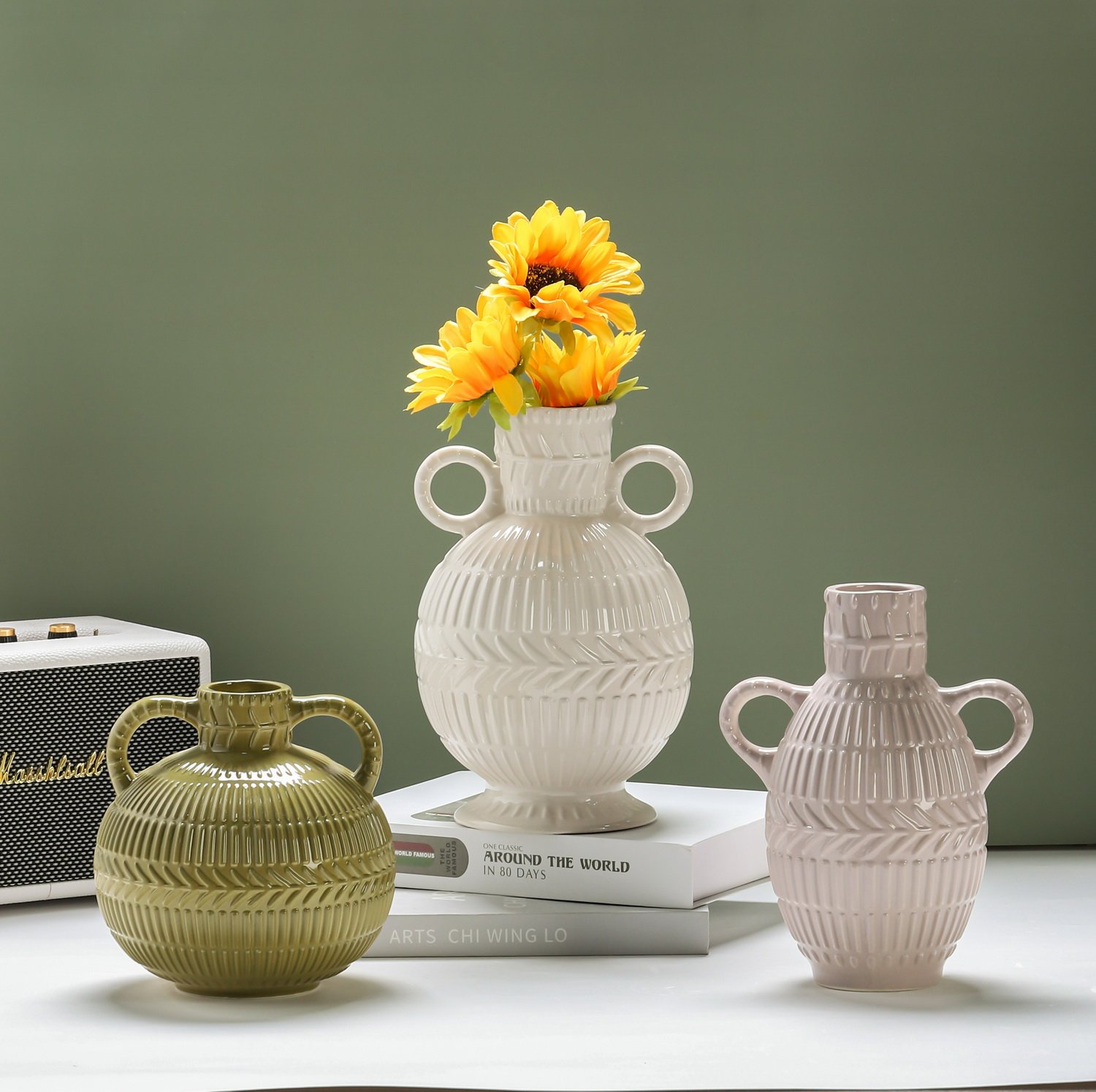
The Retail Ceramic System That Reorders Cleanly
If you want ceramic décor that sells through and reorders without drama, the system is straightforward:
prototype cost control → quality control checkpoints → ceramic quality control discipline → quality and delivery control as one program
That’s how you protect margin, reduce claims, and keep your assortment looking consistent—season after season.



