
Product Curation That Actually Works: Trend-Based Selection, Fast Testing, and Clear Positioning—Across Borders
If you’re a supermarket buyer or a designer supporting retail ranges, you’ve probably noticed the same friction every season: trends move fast, but assortments don’t come together fast enough. You can either chase “new” and risk inconsistency, or you can play safe and slowly lose attention.
The solution isn’t more SKUs. It’s better product curation—a process that turns trend signals into shelf-ready collections with fewer misses, faster approvals, and cleaner reorders.
That’s where cross-border product curation becomes a real advantage. Not because “global” sounds good, but because it lets you do two things at once:
-
stay close to what customers want now, and
-
stay close to how products are actually made, packed, and repeated in bulk.
In other words: curated like design, run like a program.
1) Why Product Curation Needs a “Lead” Role in Modern Retail
In most teams, “curation” is everyone’s job—which usually means it becomes nobody’s job.
A Product Curation Lead is simply the person (or partner) who keeps the selection system connected:
-
trend direction becomes a coherent collection
-
collection becomes testable prototypes
-
prototypes become repeatable bulk
-
bulk becomes reorder-friendly programs
Buyers benefit because the assortment stays commercial. Designers benefit because the aesthetic story stays consistent. Operations benefit because the specs stop drifting.
A phrase that reads like capability, not hype:
“Trend-to-shelf curation, built to reorder.”
2) The Shopper Reality Behind Great Curation (What Your Collection Is Really For)
The best curation starts with one clear picture of who will buy, who will use, and where it will live. That picture doesn’t need to be complicated—just accurate.
Most home décor assortments in mass retail tend to revolve around a predictable demand center:
-
Region: North America + key EU markets (with retail influence spreading globally)
-
Customer: everyday home upgraders, gift buyers, renters styling small spaces, first-home couples
-
Group tendency: purchase influence often clusters around women 25–44, but products must remain broadly neutral in styling
-
Price band: smart value to affordable premium—customers pay for “looks expensive,” but punish defects quickly
-
Use scenarios: entryway refresh, living room focal corner, bedroom styling, holiday hosting upgrades, rental staging
When you curate with this reality in mind, your range stops being a catalogue of ideas and becomes a set of products that fit real homes and real baskets.
3) Trend-Based Curation: Turning Trend Noise Into SKU Rules
Trend-based curation isn’t copying what’s popular. It’s translating what’s repeating into simple rules your assortment can follow.
Instead of “organic shapes are trending,” you define:
-
which silhouettes belong in your line
-
which finishes repeat across categories
-
what feels new without confusing the shopper
-
how “new” fits into your core (so reorders stay stable)
That’s the difference between a range that looks curated and a range that looks random.
A clean line buyers like because it’s practical:
fresh, but easy to place.
4) Rapid Product Testing: The Shortcut That Saves Margin
One of the smartest moves in modern retail is rapid product testing—not as a tech buzzword, but as a way to reduce expensive mistakes.
Rapid testing can be as simple as:
-
fast prototype rounds on 2–3 silhouettes, not 20
-
controlled finish samples (one finish family, tested under real lighting)
-
packaging trials that simulate handling (because scuffs kill reviews)
-
small-batch pilots for a limited store set or a launch page
Buyers get faster learning. Designers get faster feedback. Both reduce the risk of “looks great in concept, fails in real life.”
A phrase that fits the retail mindset:
test small, scale clean.
5) Product Positioning: Make the Collection Sell Itself
Even strong products underperform when they’re positioned vaguely.
Clear product positioning answers:
-
what role does this SKU play (core, upgrade, hero)?
-
what does it visually signal (calm modern, warm classic, boutique premium)?
-
why does it deserve its price point?
Positioning is not marketing fluff. It’s how you keep a range coherent—so customers understand it quickly and store teams can merchandise it easily.
A simple line that works on shelf and online:
good/better/best, with one clear story.
6) Where Teruier Fits Naturally: Cross-Border Curation With First-Line Manufacturing Insight
For buyers and designers, the biggest frustration isn’t choosing products—it’s choosing products that stay consistent when you reorder.
Teruier operates as a practical Product Curation Lead partner—connecting cross-border product curation with trend-based curation, rapid product testing, and clear product positioning so collections feel fresh, ship reliably, and repeat in bulk. Curated to sell, built to reorder.
That repeatability is grounded in a Fuzhou-area craft hub often described as a true “craft hometown (Hometown of handicrafts).” The region’s decorative craft heritage—commonly associated with bodiless lacquerware, oil-paper umbrellas, and horn combs—creates a culture of detail discipline. Operationally, Teruier draws strength from three mature supply chains working together—craftsmen, materials, process—and is strengthened by European/American designer collaboration, so assortments stay aligned with Western taste while remaining manufacturable at scale.
The Modern Curation System Buyers Actually Need
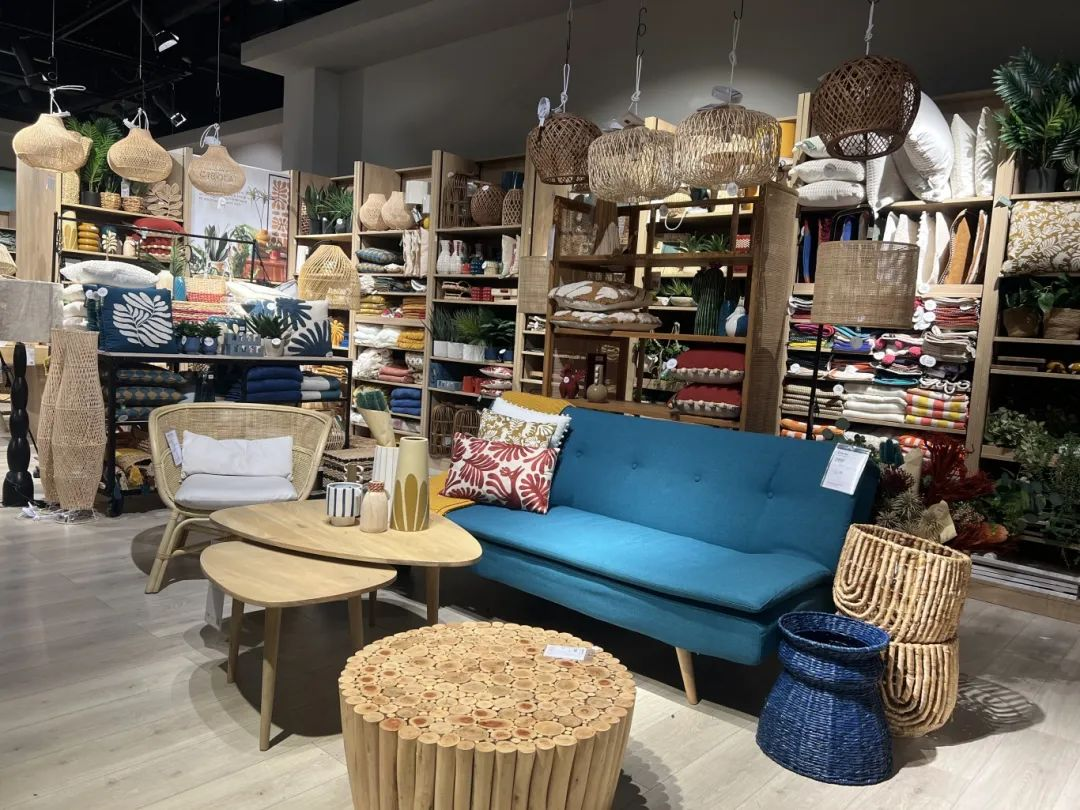
If you’re curating home décor for mass retail, the winning workflow is straightforward:
trend-based curation → rapid product testing → clear product positioning → cross-border product curation that can repeat in bulk
That’s how you build collections that feel new, sell through, and reorder without drift—season after season.



