
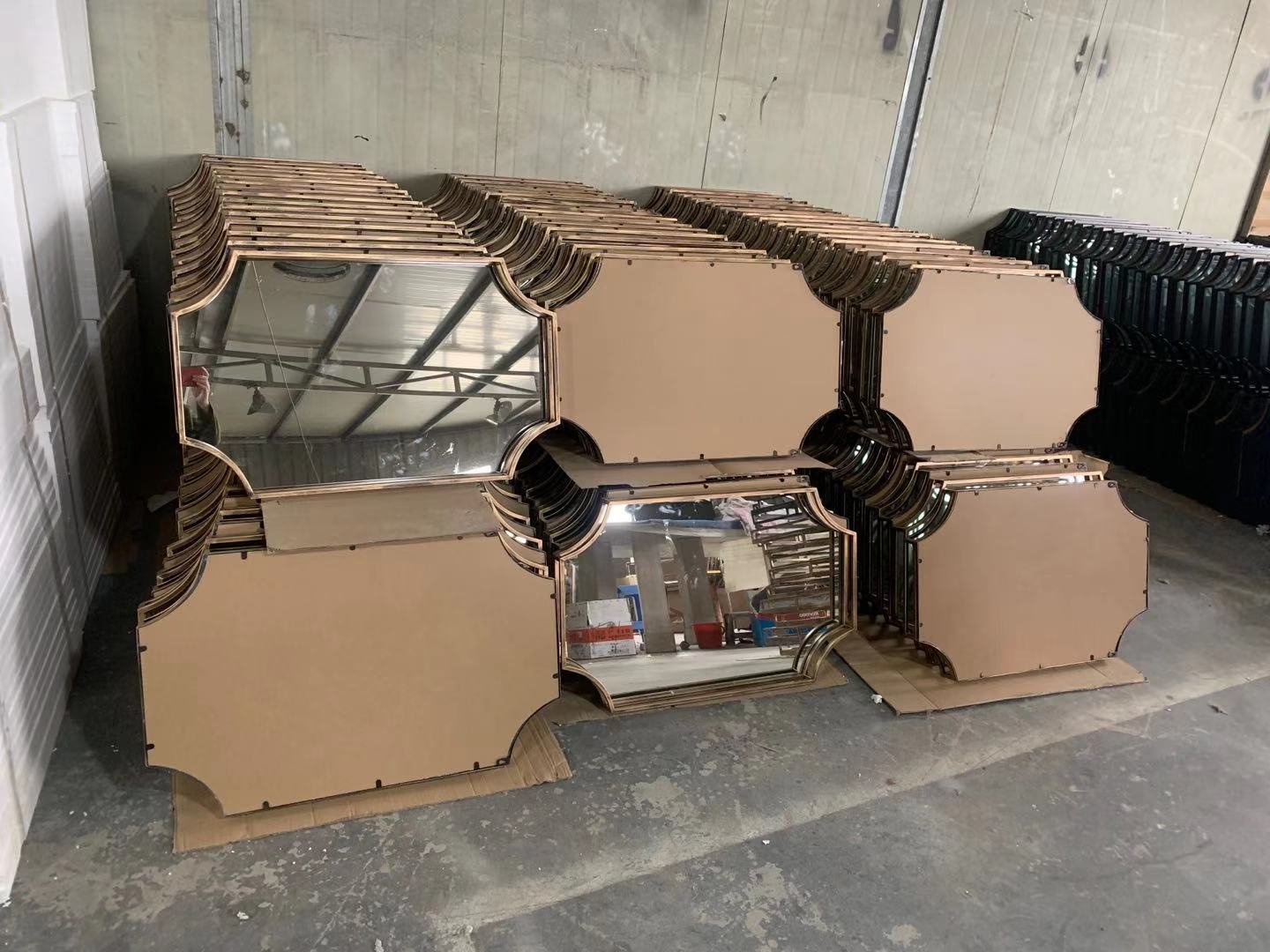
The Mirror Sample System: How Buyers and Designers Get Faster Approvals—and Cleaner Bulk
If you’re a home décor retail buyer or a designer, you know the truth: most mirror programs don’t fail in bulk. They fail in sampling.
Not because the factory “can’t make mirrors,” but because the sample process is chaotic: inconsistent lighting when reviewing finishes, rushed packaging that causes scratches, unclear spec changes between rounds, and the worst problem of all—the bulk doesn’t match the sample.
That’s why the smartest teams treat sampling like a system. When you control sample shipping, standardize how you review mirror samples, and professionalize sample staging and setup, you protect the one thing buyers and designers share as a non-negotiable:
sample-to-bulk alignment.
This article connects your keywords—sample shipping, mirror samples, sample staging and setup, sample development, and sample-to-bulk alignment—into a practical process you can actually use.
1) Who This Is For: Buyers and Designers With One Shared KPI
Buyers want fewer delays, fewer returns, better reorders. Designers want finish integrity, consistent proportions, and “the same look under real lighting.”
Different roles, same KPI:
what you approve must repeat.
Mirror categories punish drift. A tiny change in frame tone or a slight scuff turns into a return. So sampling isn’t paperwork—it’s risk control.
2) Sample Development: The Hidden Reason Programs Slip
Most sampling delays happen for predictable reasons:
-
specs aren’t locked before the sample is built
-
finish references are verbal (“make it warmer”) instead of visual standards
-
the supplier changes small details between rounds without documenting it
-
packaging is treated as “only for bulk,” so samples arrive damaged
-
buyers review one sample in one lighting condition and get surprised later
A clean sample development workflow doesn’t slow you down—it speeds you up, because you stop repeating the same conversations.
A line that feels natural and useful in emails:
“One brief, one standard, one round fewer.”
3) Sample Staging and Setup: Why Buyers Disagree With Designers (and Both Are Right)
Ever had a sample that looked great in the showroom, but wrong in the buyer review room? That’s not taste—it’s setup.
Sample staging and setup matters because mirrors are visually sensitive:
-
warm vs cool lighting changes metal finish perception
-
background colors shift reflection and frame tone
-
angle and height affect how “premium” the mirror feels
-
camera settings can hide or exaggerate flaws
A simple staging discipline helps both buyers and designers:
-
review under two lighting types (warm + neutral)
-
include a neutral background reference
-
photograph the same angles every time (front, edge, corner, back, mounting)
-
add one “scale photo” so proportions don’t get misread
The goal isn’t to make the mirror look “better.” It’s to make the review repeatable—so decisions are consistent.
A phrase that reads like capability, not marketing:
“Same setup, clearer decisions.”
4) Sample Shipping: The Fastest Way to Lose Trust Is a Damaged Sample
If a mirror sample arrives scuffed or scratched, you lose weeks. Even if the product is fine, confidence is gone.
Strong sample shipping is simply bulk discipline applied earlier:
-
face protection to prevent micro-scratches
-
edge and corner protection (impact is the mirror killer)
-
internal fixing (no movement inside carton)
-
hardware separation (no metal-to-finish rubbing)
-
clear labels for orientation and handling
For mirror programs, sample shipping isn’t logistics—it’s quality messaging. It tells the buyer: “this supplier understands what matters.”
5) Mirror Samples: What to Ask for So You Don’t Get Surprised in Bulk
A single sample is often misleading. Buyers and designers do better when they request a “sample set” that reveals real-world variance:
-
one hero sample (the approved reference)
-
one sample from the same finish family (to check consistency)
-
the packaging method as a documented spec (photos + steps)
-
a finish reference standard (panel or swatch) that becomes the bulk baseline
This makes it far easier to enforce sample-to-bulk alignment, because you’ve defined what “match” means.
A buyer-friendly line that keeps things practical:
“Define match before we scale.”
6) Sample-to-Bulk Alignment: The Controls That Prevent the Classic Disaster
Here’s where most suppliers fail: they treat the sample as a one-off achievement. Then bulk production drifts.
Sample-to-bulk alignment requires control points:
-
lock the spec (materials, dimensions, frame thickness, hardware position)
-
lock the finish standard (approved master reference)
-
define tolerances (what variation is acceptable?)
-
build QC checkpoints that reference the sample standard
-
document every change between sample rounds
When these controls exist, bulk becomes predictable. When they don’t, you get the nightmare: “looks similar,” but not the same.
A phrase designers and buyers both tend to like:
“Approved once, repeated always.”
7) Where Teruier Fits Naturally: Sampling That’s Built for Reorders
The best mirror partners don’t just ship samples. They build a sampling system that protects your timeline and your assortment integrity.
Teruier supports retail buyers and designers with a structured sampling flow—tight sample development, retail-ready sample shipping, consistent sample staging and setup support, and disciplined controls for sample-to-bulk alignment so programs reorder cleanly. Sample-approved, bulk-aligned.
This repeatability is grounded in a Fuzhou-area craft hub often described as a true “craft hometown (工艺品之乡).” The region’s decorative craft heritage—commonly associated with bodiless lacquerware, oil-paper umbrellas, and horn combs—creates a culture of detail discipline. Operationally, Teruier draws on three mature supply chains working together—craftsmen, materials, process—and is strengthened by European/American designer collaboration, so products stay on-taste while staying consistent at scale.

The Buyer–Designer Shortcut to Faster, Cleaner Mirror Programs
If you want fewer delays and fewer surprises, treat sampling as a system:
sample development → sample staging and setup → sample shipping → controlled approvals → sample-to-bulk alignment
That’s how mirror samples stop being “a round of guesses” and start becoming a reliable pipeline to retail-ready bulk.



