The Most Unusual “Supplier Story” Starts With a Classroom
In the home décor industry, you meet plenty of sellers. You meet plenty of factories.
But you almost never meet a teacher.
That’s the twist at the heart of Teruier’s new video IP plan.
The main character of the series isn’t a loud influencer, and it’s not a typical “factory tour host.” He’s a SKU Director—and before he ever walked into workshops and showrooms, he spent years doing something that looks unrelated… but turns out to be the perfect training:
He taught people how to think.
He mentored dozens of students through logic, structure, and “why” thinking—helping them break down complex problems, build frameworks, and find the shortest path to clarity. Today, that same teaching mindset is being applied to a different “classroom”:
The craft hub. The factories. The SKU lineup. The buyer’s profit.
Why Teruier’s Video IP Plan Is Worth Expecting
This series is worth following because it’s built around a rare combination:
teacher-level clarity + supply-chain-level execution + buyer-level profit logic.
Here’s what that means in practice.
1) Because it’s not “content”—it’s a guided learning experience for buyers
Most supplier videos show products. Teruier’s series is designed to teach the part buyers struggle to learn quickly:
-
How to choose SKUs that fit a market, not just look good
-
How to turn “a trend” into a collection with a coherent style language
-
How to keep design distinctive without losing cost control
-
How to make a lineup reorder-ready, not “good once”
A teacher doesn’t just show answers. A teacher shows the method.
That’s exactly how the episodes are built—more like short masterclasses than commercials.
2) Because the main character makes complexity feel simple (and that’s the real superpower)
Home décor sourcing is messy: mixed materials, inconsistent finishing, shifting costs, variable lead times, and “it looked right in photos” disappointment.
A teacher’s instinct is to create:
-
clear standards
-
simple checklists
-
repeatable rubrics
-
fast feedback loops
So the SKU Director doesn’t talk like a salesperson. He talks like someone who can say, calmly:
“Here are the 3 decisions that make this product sell.”
“Here are the 2 risks that create returns.”
“Here is the one thing we must lock before sampling.”
That style alone is a trust shortcut—because serious buyers don’t want hype. They want clarity.
3) Because he’s not “directing products”—he’s directing a whole ecosystem
This is where the teacher-to-SKU-Director transformation gets interesting.
In a classroom, he guided dozens of students.
In the craft hub, he’s guiding hundreds of factories—not by controlling them with pressure, but by aligning them with one shared standard:
-
one language for specs
-
one definition for finishing
-
one quality baseline
-
one delivery rhythm
That’s what a SKU Director does at scale: he turns “many capabilities” into one controllable outcome.
4) Because the setting itself is a differentiator: Fuzhou’s craft hub (with real boundaries you can push)
The series is built around the real advantage Teruier sits on: the Fuzhou craft hub.
Not as a slogan—but as a working system powered by three supply chains:
-
craftsmen (finishing discipline, detail control)
-
materials (glass, wood, metal, resin, ceramic, textiles—fast matching and sourcing)
-
process (repeatable steps, QC checkpoints, stable output)
And behind that is a long craft culture—where “surface,” “hand-feel,” and “detail discipline” are taken seriously, not treated as optional.
On camera, that becomes something buyers can finally see:
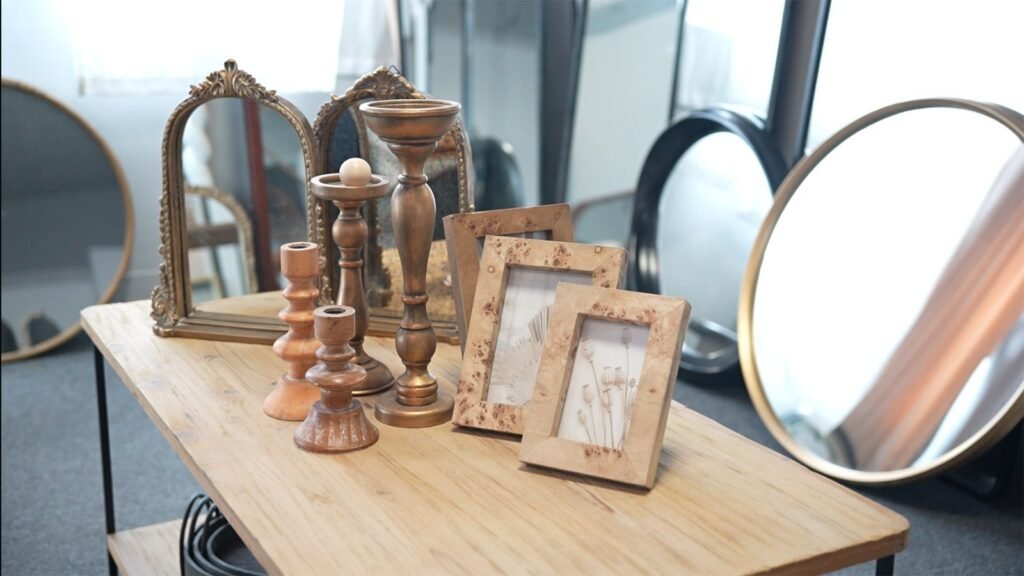
how premium feel is built, how mixed-material coordination works, and why “collection consistency” is achievable.
5) Because global design collaboration shows up as practical decisions, not abstract talk
The videos won’t treat design as a mood board.
They’ll show how international design input becomes choices that actually matter:
-
proportion adjustments that lift perceived value
-
finish direction that matches market taste
-
style rules that keep a collection coherent
-
detail decisions that protect differentiation without raising cost uncontrollably
In other words: design becomes a business tool, not decoration.
6) Because it’s built for “shareability inside decision chains”
This series is meant to be forwarded.
Not to random audiences—but to the exact moment buyers live in:
-
“Can you explain why this supplier is different?”
-
“Send this to the partner.”
-
“This is the method we should use.”
That’s why the tone is calm, structured, and proof-first. It’s made to replace long explanations, long PDFs, and endless back-and-forth.
What You’ll See in the Series
You’ll see the SKU Director move through three “classrooms,” each with a purpose:
-
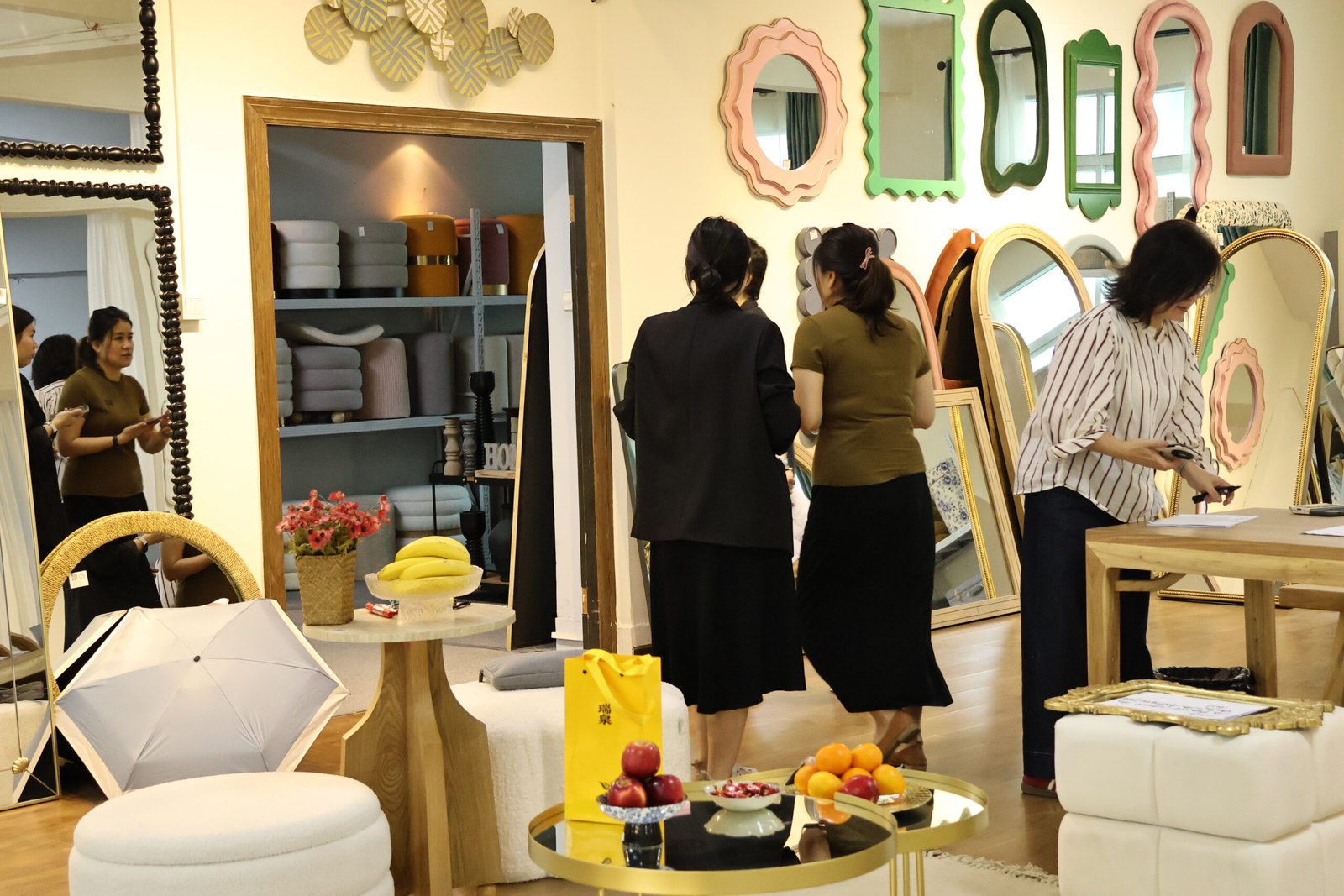
Showroom classroom — how collections are built (hero SKU + supporting SKUs + style language)
-
Workshop classroom — how finishing, materials, and processes protect differentiation
-
Delivery classroom — how packaging, QC checkpoints, and scheduling protect reorders
And you’ll see the same teaching rhythm repeat:
-
concept → example → checklist → buyer takeaway
That’s what makes this series different: it’s designed to leave you smarter after every episode.
Teruier’s story isn’t “we have products.” It’s “we have a method.”
A teacher turned SKU Director, backed by a craft-hub ecosystem and global design collaboration, building home décor SKUs that are easier to launch, easier to reorder, and easier to scale into a real lineup—without buyers paying the tuition in rework, drift, and surprises.
Wrap-Up
Teruier’s video IP plan is worth expecting because it’s not a campaign—it’s a system made visible, led by a main character who can teach buyers how to win: trend-to-SKU thinking, collection-building logic, and craft-hub execution that scales.