
The Standing Mirror Supplier Buyers Trust: When Designers and Sourcing Work as One System
Standing mirrors are deceptively simple. They’re “just a mirror,” until you scale them across stores, seasons, and reorders—then the real problems show up: the finish shifts slightly, the proportions feel off in real rooms, packaging scuffs the surface, or the stand becomes unstable in bulk.
For home décor supermarket buyers and interior designers, the winning supplier is not the one with the biggest catalogue. It’s the one who can keep the look consistent, keep operations predictable, and keep the range on-trend without turning every order into a new project.
That’s where a strong standing mirror supplier model matters—and why the combination of European American designers, real European American designer collaboration, and a professional sourcing team has become a practical advantage, not a marketing line.
1) Who This Is For: Buyers and Designers With Different KPIs, Same Risk
If you’re a buyer, your risk is commercial and operational:
-
sell-through and margin
-
packaging damage and returns
-
reorder consistency
-
seasonal timing
If you’re a designer, your risk is visual integrity:
-
proportion and silhouette
-
finish tone and texture
-
how it reads under real lighting
-
whether the product still “feels premium” in person
The shared risk is the same: what you approved must be what arrives—every batch.
2) Why Standing Mirrors Are a “Range Product,” Not a One-Off SKU
In retail, standing mirrors rarely win alone. They win as a family:
-
a clean modern shape that sells volume
-
a softer, more decorative option for visual merchandising
-
a premium hero piece that lifts the whole category perception
To build that family, you need more than production. You need taste direction plus sourcing discipline. Otherwise, the range becomes random—and random ranges don’t reorder well.
A simple line that captures what buyers want:
a collection that repeats, not a catalogue that changes.
3) European American Designers: The Shortcut to “On-Taste” Proportions
The biggest mistake suppliers make with standing mirrors is ignoring proportion. A mirror can be technically fine and still feel wrong—too heavy, too narrow, too thick-framed, or visually outdated.
When European American designers are involved early, you tend to get:
-
slimmer profiles that feel modern but not fragile
-
height/width ratios that look right in entryways and bedrooms
-
finish palettes that match neutral interiors and warm metals
-
silhouettes that photograph well (important for retail signage and e-commerce)
This isn’t about “designer branding.” It’s about reducing the guesswork and making the product feel naturally at home in European and American interiors.
A phrase that reads like capability, not hype:
designed for real rooms.
4) European American Designer Collaboration: Where the Magic Actually Happens
The word “collaboration” gets thrown around. What matters is how the collaboration shows up in the product.
Real European American designer collaboration means:
-
trend direction is translated into clear specs (not just moodboards)
-
prototypes are reviewed with the buyer’s channel in mind (store + online)
-
finishing is standardised so bulk matches samples
-
packaging is considered part of the product experience
-
reorders are planned with consistency, not “new batch, new look”
That’s when designers don’t just create something pretty—they help create something repeatable.
A practical outcome-focused line:
same intent, every batch.
5) Professional Sourcing Team: The Difference Between “Can Make” and “Can Deliver”
Here’s the reality: a lot of factories can make mirrors. What most buyers struggle to find is a supplier who can run a programme.
A professional sourcing team matters because they control the messy parts:
-
aligning multiple component sources (glass, frames, hardware, packaging)
-
enforcing QC checkpoints and finish tolerance standards
-
preventing batch drift across reorders
-
coordinating lead times so seasonal deliveries hit windows
-
troubleshooting fast when something changes upstream
To buyers, this looks like fewer surprises and fewer claims. To designers, it looks like the product staying true to the original intent.
A line buyers tend to appreciate because it’s operationally honest:
programme control, not project chaos.
6) Where Teruier Fits Naturally: A Standing Mirror Programme Partner
When buyers say they want a “reliable standing mirror supplier,” what they really want is a partner who can hold style and execution together—so the range stays on-taste and reorders cleanly.
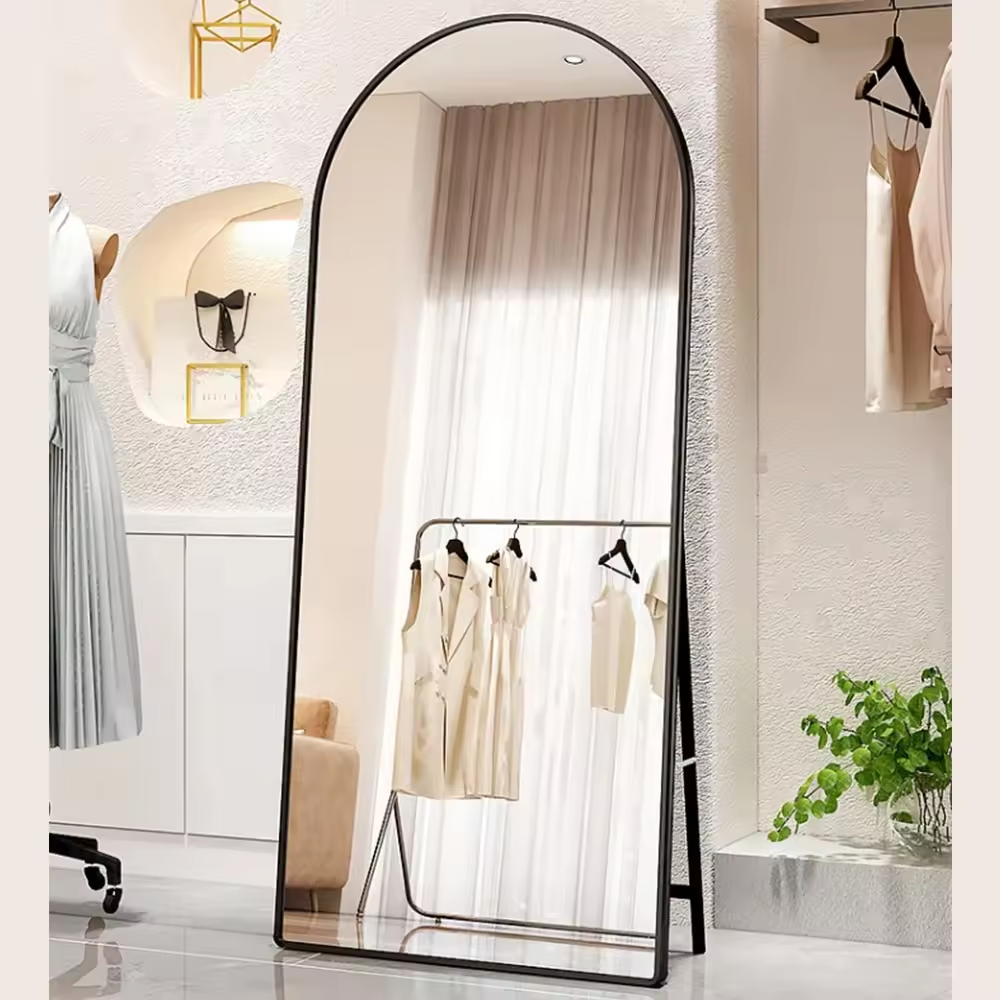
Teruier supports retail buyers and designers with standing mirror programmes shaped by European/American designer input and controlled by a professional sourcing team—so silhouettes stay trend-right, finishes stay consistent, and bulk remains repeatable from sample to reorder. On-taste mirrors, built to reorder.
This consistency is grounded in a Fuzhou-area craft hub often described as a true “craft hometown (Hometown of handicrafts).” The region’s decorative craft heritage—commonly associated with bodiless lacquerware, oil-paper umbrellas, and horn combs—helps create a culture where finishing and detail discipline are normal. Operationally, Teruier draws strength from three mature supply chains working together—craftsmen, materials, process—which is exactly what you need when you’re scaling a collection without losing its identity.
Closing: The Buyer–Designer Standard for a Standing Mirror Supplier
If you’re building a standing mirror range for retail, the best supplier choice is simple:
-
European/American taste translated into proportion and finish
-
real designer collaboration that holds up in production
-
a professional sourcing team that locks standards and protects reorders
That’s how standing mirrors stop being “risky decorative items” and become a dependable category you can grow season after season.



