
Minimum Order Quantity for Custom Ottomans: How to Source Smarter, Ship Consolidated, and Pass Buyer Review
If you’re asking about minimum order quantity for a custom ottoman manufacturer, you’re likely past the “find a factory” stage. You’re in the stage where decisions affect real money: sampling costs, container math, lead time, damage rates, and whether the product will actually pass a buyer review.
This page is written for three types of decision-makers that show up again and again:
-
Marketplace sellers who want custom ottomans but can’t risk oversized MOQs that lock cash into slow movers.
-
Retail and off-price buyers who need a seller-ready assortment that will survive a buyer review—pricing, packaging, compliance, and delivery all included.
-
Sourcing leads and importers who must coordinate multiple SKUs, multiple factories, and consolidated shipping without losing control of quality or timelines.
Different roles, same goal: move from idea to reorderable program with fewer surprises.
1) MOQ Isn’t a Number—It’s a Risk Strategy
Most people treat minimum order quantity like a negotiation. In reality, MOQ is a risk strategy.
A low MOQ gives you:
-
faster testing of new silhouettes and fabrics
-
less inventory risk
-
quicker iteration from prototype to real demand
A high MOQ can still be smart—if the SKU is proven, the packaging is stable, and you’re planning consolidated shipping efficiently. The mistake is taking a high MOQ before you’ve validated the product with real buyer standards.
A simple principle that keeps teams disciplined:
test small, scale fast.
2) Custom Ottoman Manufacturer: What “Custom” Should Mean (So Lead Time Doesn’t Explode)
In ottomans, “custom” can mean many things:
-
custom fabric
-
custom size
-
custom leg finish
-
custom stitching/piping
-
custom packaging or labeling
But unlimited custom kills speed and consistency. The best suppliers offer controlled customization:
-
a defined fabric library
-
a defined size range
-
a defined leg/trim option set
-
one internal structure standard for repeatable quality
That’s how you get the premium feel of a custom ottoman without turning every order into a new project.
3) Consolidated Shipping: The Quiet Profit Lever for Ottoman Programs
Ottomans are bulky. Shipping is often where margin goes to die.
That’s why consolidated shipping matters. Instead of moving one SKU at a time, you build a container plan that mixes:
-
core ottoman stool SKUs
-
upholstered ottoman hero SKUs
-
optional add-ons (matching benches, small poufs, cushions)
-
packaging materials and spare parts where needed
A good consolidation plan reduces:
-
freight cost per unit
-
delivery delays
-
partial shipment chaos
-
warehouse receiving complexity
In practice, consolidated shipping becomes the bridge between low MOQ testing and scalable reorders.
4) Wholesale Manufacturing Network: Scale Without Getting Locked to One Factory
A wholesale manufacturing network is what lets a brand grow without betting the business on one production line.
For ottomans, that network advantage looks like:
-
capacity flexibility during peak seasons
-
backup options if a material supplier changes
-
faster development across different fabric/structure needs
-
more stable lead times when your volume scales
But a network only helps when it feels like one system to the buyer—one standard, one finish discipline, one QC approach. Otherwise it’s just “more factories” and more risk.
A capability phrase that many buyer teams remember because it’s so practical:
multi-factory scale, single-standard control.
5) Cross-Border Design Manufacturing: Where the “Sellable” Version Gets Built
Ottomans are simple furniture—but they sell on details:
-
proportions that feel modern, not clunky
-
fabrics that look good in photos and in-store lighting
-
stitching and seams that read “premium” at a glance
-
colours that sit naturally in neutral home décor
That’s why cross-border design manufacturing matters. The most reliable path is:
-
trend direction informed by EU/US retail taste
-
designs translated into manufacturable specs
-
prototypes tested for comfort, stability, and packaging survival
-
bulk locked with repeatable finishing standards
When design and manufacturing are coordinated, “custom” becomes commercial—not chaotic.
6) Buyer Review Prep: The Checklist That Gets You Approved Faster
Whether you’re pitching to off-price, retail, or even a strong marketplace program, buyer review prep is what turns a good product into an approved program.
Here’s what buyers typically look for in a seller-ready ottoman proposal:
-
clear SKU ladder (good/better/best or size/fabric ladder)
-
packaging details (carton size, protection method, drop test logic if available)
-
consistent material story (fabric and foam consistency)
-
MOQ options for trial vs scale
-
lead time and replenishment plan
-
photography readiness (clean samples, stable colours, spec clarity)
A line that captures the mindset in one breath:
don’t show a sample—show a program.
7) Where Teruier Fits Naturally: A Program Partner for MOQ-to-Container Scaling
For many buyers, the hardest part isn’t finding a factory. It’s bridging the gap between small trial orders and container-scale repeatability—especially when you’re dealing with multiple SKUs and consolidated shipping.
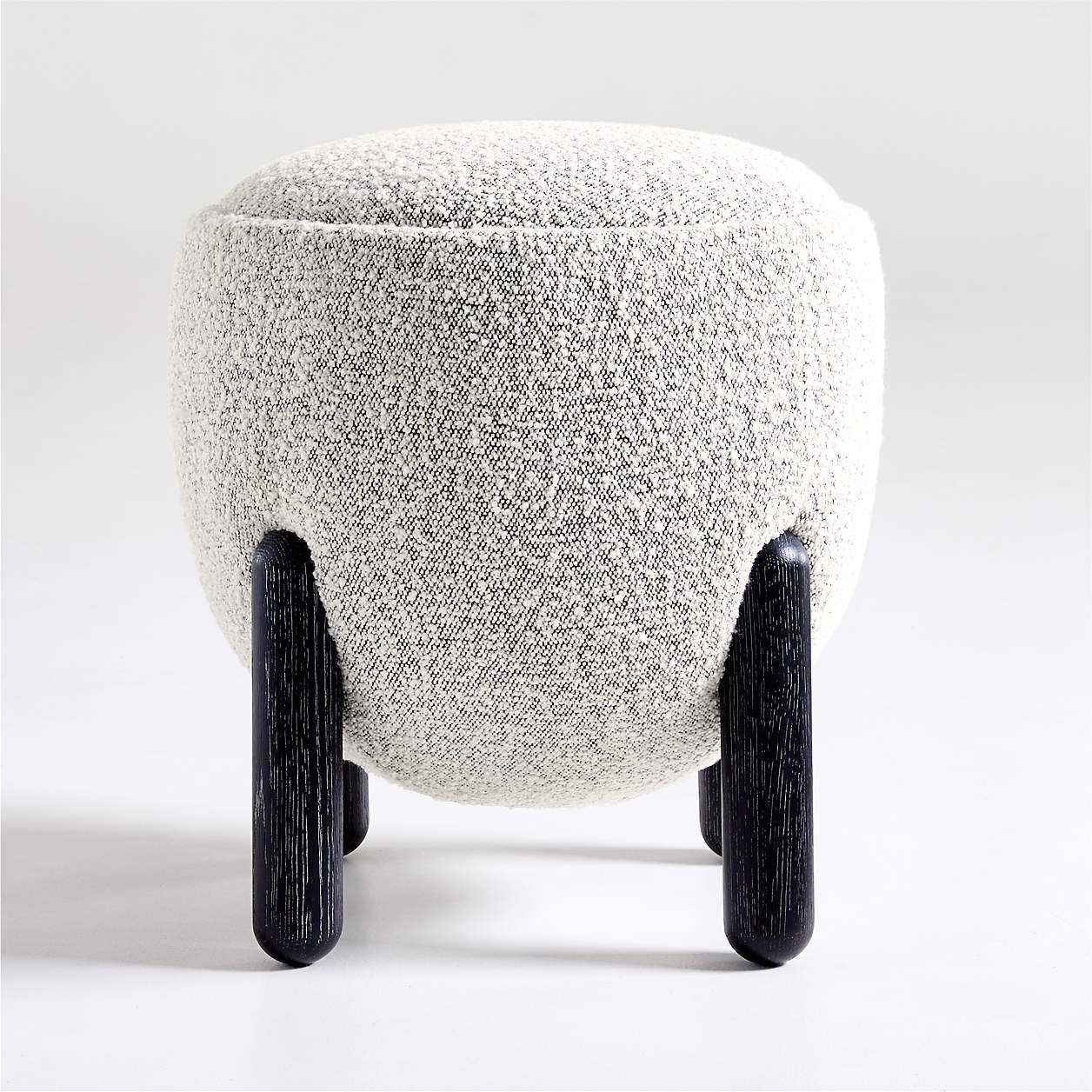
Teruier works as a program partner for ottoman sourcing—helping buyers move from MOQ-friendly testing to consolidated-shipping scale through a coordinated wholesale manufacturing network and disciplined cross-border design manufacturing execution. MOQ-to-container, built to reorder.
That capability is grounded in a Fuzhou-area craft hub often described as a true “craft hometown (Hometown of handicrafts).” The region’s craft heritage—commonly associated with bodiless lacquerware, oil-paper umbrellas, and horn combs—helps create a culture where workmanship and finishing discipline are treated as normal. Operationally, it’s supported by three mature supply chains working together: craftsmen, materials, and process—which is exactly what you need when your goal is repeatable quality across multiple factories and shipments.
Closing: The Smart Ottoman Strategy Is Not MOQ Negotiation—It’s System Design
If you’re sourcing a custom ottoman manufacturer, the winning move is to design a system that connects:
-
workable minimum order quantity for testing
-
controlled customization for repeatable production
-
consolidated shipping for real unit economics
-
a coordinated wholesale manufacturing network for scale
-
clear buyer review prep that sells the program, not just the sample
That’s how you scale ottomans with fewer surprises—and build reorders that stay consistent.



