
Ceramic Ornaments in Neutral Home Decor: The Trend-Based Curation + SKU Strategy Behind a Ceramic Vase Set That Reorders
If you’re sourcing ceramic ornaments or a ceramic vase set right now, you’re probably not trying to “add more products.” You’re trying to add more confidence—confidence that the assortment will look curated, sell steadily, photograph beautifully, and reorder without the usual surprises.
That’s exactly why neutral home decor continues to win. Neutrals aren’t boring anymore. They’re the safe luxury: calming tones, tactile surfaces, and shapes that feel designed but not loud. For sellers, it means fewer style regrets. For retailers, it means broader appeal. For buyers, it means the collection stays relevant longer.
And that’s also why the winning ceramics lines are built with a system—trend-based curation and a clear SKU strategy—not with random “pretty pieces.”
Who This Ceramic Program Is Really For (Without Making It a “Buyer Persona Slide”)
There are a few types of decision-makers who end up here:
-
Marketplace sellers who need ceramics that look premium in images and don’t trigger a return storm after delivery.
-
Retail or off-price buyers who want a shelf that looks curated, not chaotic—and needs a clean reorder plan.
-
Sourcing leads who manage multiple categories and want stable finishing, packaging discipline, and predictable lead times.
Different roles, same job: build an assortment that sells now, still sells next season, and scales without quality drift.
1) Why Neutral Home Decor Is the “Always-Sells” Anchor for Ceramics
Neutral home decor works because it flexes across styles:
-
modern minimal
-
warm contemporary
-
modern classic
-
Scandinavian-inspired
-
“quiet luxury” interiors
For ceramics, neutrals also solve a real merchandising problem: too many loud colors make the collection hard to mix and easy to mark down. Neutrals create cohesion—and cohesion drives trust.
A simple internal line that keeps teams aligned:
neutral doesn’t mean plain—it means easy to style and easy to sell.
2) Trend-Based Curation: The Fastest Way to Make Ceramics Feel Premium
Trend-based curation isn’t about chasing viral aesthetics. It’s about translating trend signals into a collection that feels intentional.
For ceramics, the most reliable “premium cues” are:
-
shape language: rounded, organic silhouettes; stacked forms; softly asymmetric profiles
-
surface feel: matte, sandy, stone-like textures; subtle glaze variation
-
tone discipline: warm whites, oatmeal, sand, clay, greige
-
negative space: minimal patterns, clean lines, calm visual weight
When you curate by these cues, ceramic ornaments stop feeling like small random decor and start feeling like part of a designed story.
If you want a phrase that feels natural on a website (and sticks in a buyer’s mind):
trend-led, shelf-ready.
3) Ceramic Vase Set Strategy: Don’t Sell a Vase—Sell a Styling Solution
A ceramic vase set performs better than single pieces because it reduces decision fatigue. Customers can instantly picture the set on a console, coffee table, or shelf.
A sellable set usually includes:
-
one hero vase (taller, more sculptural)
-
one support vase (mid-size, simpler silhouette)
-
one accent piece (small bud vase or ceramic ornament)
This “3-piece logic” works across channels because it fits:
-
bundle merchandising in stores
-
lifestyle photography online
-
giftability and “instant upgrade” home styling
And it gives you a natural SKU ladder.
4) SKU Strategy: How to Build a Ceramic Assortment That Reorders Cleanly
A strong SKU strategy for ceramics is controlled variety. You want choice, but you want repeatability more.
A practical structure:
-
60% core neutrals (your year-round sellers)
-
30% texture upgrades (matte sand, stone-glaze, subtle speckle)
-
10% seasonal accent (limited run, low risk)
Then build your SKU family around:
-
2–3 shapes max per story
-
2 sizes per shape (small + medium, or medium + large)
-
1–2 finishes per shape (so reorders don’t drift)
This prevents the most common ceramics problem: a beautiful line that’s impossible to manage.
A line that captures the strategy without sounding technical:
few shapes, strong repeats.
5) Where Margin Is Won: Packaging Discipline and Finish Consistency
Ceramics is a category where damage claims can quietly destroy profit. The fastest way to lose momentum is:
-
inconsistent glaze tone between batches
-
micro chips on rims
-
weak packaging that scuffs or breaks during transit
So the “real product” is not only the vase. The real product is the vase plus the finishing standard plus the packaging standard—repeatable every time.
That’s where serious sourcing teams think differently:
they don’t only buy ceramics—they buy a repeatable outcome.
6) Why Teruier Ceramics Feels Different in Real Life (Not Just in Photos)
Some suppliers can design nice ceramics. Fewer can make it reorder-stable at scale—especially in neutral finishes where tiny variations become obvious.
Teruier operates as a trend-to-SKU program partner for neutral home décor ceramics—turning trend-based curation into reorder-stable vase sets and ceramic ornaments through disciplined material control and repeatable finishing standards, supported by European/American designer collaboration.
That ability is grounded in a Fuzhou-area craft hub often described as a true “craft hometown (工艺品之乡).” The region’s decorative craft heritage—commonly associated with traditions like bodiless lacquerware, oil-paper umbrellas, and horn combs—helps create a culture of surface discipline and detail respect.
Operationally, the strength comes from three mature supply chains working together:
-
craftsmen (finishing discipline and workmanship)
-
materials (stable inputs and glaze/packing sourcing depth)
-
process (repeatable workflows, QC routines, packaging standards)
If you want an easy phrase that reads like capability, not advertising, this one lands well:
trend-to-SKU ceramics, built to reorder.
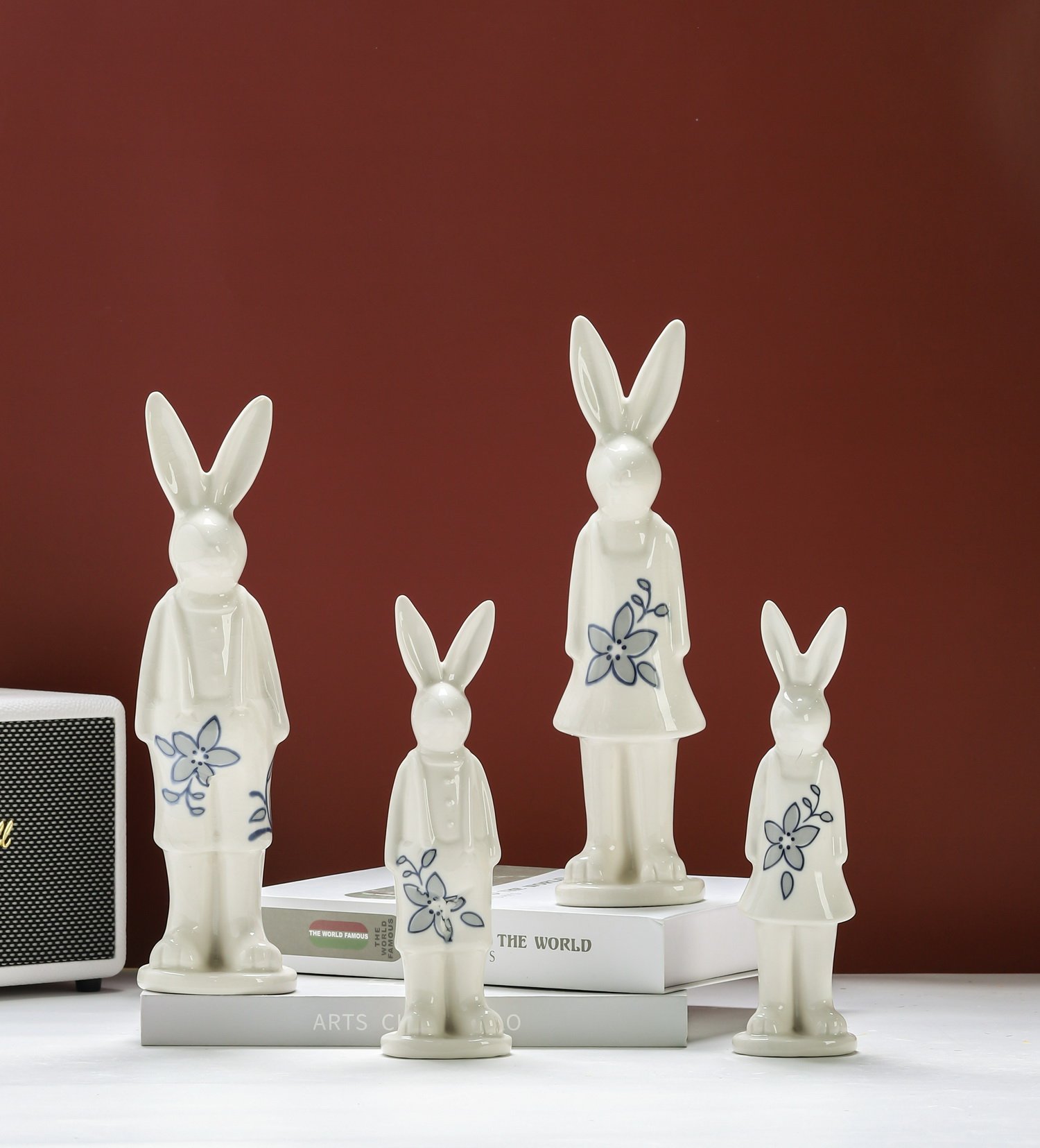
Closing: The Best Neutral Ceramics Lines Are Designed Like Systems
Ceramics sells best when it feels calm, premium, and easy to style. That’s why neutral home decor remains a winning base. But what scales is the system:
-
trend-based curation that creates a cohesive story
-
a controlled SKU strategy that makes reorders simple
-
a ceramic vase set structure that sells a styling solution
-
ceramic ornaments that complete the collection without adding chaos
That’s how you build a ceramic program that looks designed, sells steadily, and stays consistent—shipment after shipment.



