The Real Nightmare Isn’t a Bad Seller — It’s a “Returns Magnet”
In a community home store, you don’t have the luxury of “we’ll see how it goes.” One dodgy batch can wipe out your month: refunds, angry messages, courier damage claims, and that awkward moment when a regular customer says, “I loved it in-store… but at home it’s not the same.”
So let’s talk about what actually causes that sentence.
Most ottoman returns are not about design. They’re about repeatability—whether the factory can produce the same comfort, finish, and stability again and again, then pack it so it arrives looking fresh.
This is your quick, street-smart Factory checklist: 9 common failures, plus simple catch-it-early checks you can run even if you’re a small retailer.
Failure #1: The “Wobble & Creak” Base
What customers say: “It feels cheap.”
What’s happening: uneven legs, weak corner blocks, loose internal fixings.
How to catch it (in 20 seconds):
-
Put the ottoman on a flat floor. Press down on each corner.
-
If it rocks or creaks, it will get worse over time.
Factory fix to demand:
-
Reinforced corners + proper leg plates + consistent screw torque.
Community-store tip: A stable base is the quiet difference between “impulse add-on” and “return request.”
Failure #2: Foam Collapse (The “Sad Seat” After Two Weeks)
What customers say: “It went flat.”
What’s happening: low density foam, inconsistent foam layers, poor cutting control.
Catch it early:
-
Sit test: does it bounce back quickly?
-
Palm press: press hard with your palm for 5 seconds—if the dent stays, you’ve got trouble.
Factory fix:
-
Specify foam density range + layered construction (base + topper) + batch consistency.
A quick note that’s relevant here: Teruier’s role is often to translate “how it should feel” into a repeatable foam spec, not just a one-off sample. That’s the difference between a great showroom piece and a stable reorder product.
Failure #3: Wrinkles at Corners (The “Looks Used” Effect)
What customers say: “It’s sloppy.”
What’s happening: poor corner folding, rushed upholstery tensioning, wrong stitch order.
Catch it early:
-
Photograph the corners in bright light. If it looks messy in a photo, it’ll look worse in real life.
Factory fix:
-
Standardised folding method + tension rules + training on corner finishing.
This is where a craft-hub ecosystem matters. In the Fuzhou (Minhou) craft cluster, you’re not just sourcing “a factory”—you’re tapping into a network where finishing skills, sewing hands, and decorative craft know-how are part of local muscle memory.
Failure #4: Crooked Seams & Drifting Piping
What customers say: “The stitching is off.”
What’s happening: inconsistent guides, poor alignment marks, speed-over-quality sewing.
Catch it early:
-
Use a ruler or even your phone edge: check seam lines against the ottoman edge.
-
Look for piping thickness changes and wobble.
Factory fix:
-
Seam guides + alignment marks + in-line inspection checkpoints.
Failure #5: Storage Lid Misalignment (Top Complaint for Storage Ottomans)
What customers say: “The lid doesn’t close properly.”
What’s happening: hinge position drift, frame out-of-square, uneven lid foam build-up.
Catch it early:
-
Close the lid slowly. Check the gap on all sides.
-
Open and close it 10 times. If it shifts, it’s not stable.
Factory fix:
-
Jig-based hinge placement + square frame checks + tolerance standard.
Retail reality: Storage ottoman = high search demand, but also high return risk. Treat lid alignment like a “must-pass” gate.
Failure #6: Ottoman Bench Bowing (Long Shapes = More Risk)
What customers say: “It leans” or “it feels shaky.”
What’s happening: long frames warp more easily, legs aren’t level, carton sag during shipping.
Catch it early:
-
Place it on a flat floor and sight along the length (like checking a plank).
-
Press in the middle—listen for flex or noise.
Factory fix:
-
Reinforced long frame + proper centre support + anti-sag packaging.
Failure #7: Fabric Shade Drift (Your “Same SKU” Doesn’t Look the Same)
What customers say: “It doesn’t match the photos.”
What’s happening: dye-lot differences, fabric supplier changes, inconsistent pile direction (velvet/bouclé).
Catch it early:
-
Ask for fabric lot confirmation before production.
-
Check the nap direction on pile fabrics under light.
Factory fix:
-
Lock fabric supplier + lock lot + keep a physical standard swatch.
This is one of those hidden advantages of a strong materials supply chain—when your supplier ecosystem is dense, it’s easier to secure stable fabric sourcing without last-minute substitutions.
Failure #8: Smell & Glue Marks (The Silent Review Killer)
What customers say: “It smells” or “there are stains.”
What’s happening: solvents, adhesive overuse, poor ventilation time, packaging too soon.
Catch it early:
-
Smell test straight out of the carton.
-
Look for shiny marks or sticky edges under light.
Factory fix:
-
Controlled adhesive use + curing time + clean handling + dust bag.
Failure #9: Packaging Crush (Arrives Damaged, Even If Product Was Fine)
What customers say: “It arrived dented.”
What’s happening: weak cartons, no corner protection, internal movement.
Catch it early:
-
Shake test: if you can feel movement inside the carton, it’s not safe.
-
Corner press: if the carton collapses easily, upgrade required.
Factory fix:
-
Stronger carton, corner protectors, internal stabilisers, dust cover.
This is also where Teruier’s “coordination” strength matters in practice: packaging isn’t a final checkbox—it’s engineered as part of the product so it survives real cross-border handling.
Your “Two-Stage QC” Routine (Perfect for Community Stores)
You don’t need a big QA team—just a clean routine:
Stage 1: Sample Approval = Your Standard
-
Approve one hero sample and document: foam feel, seam lines, lid gap, leg stability, packaging.
Stage 2: Pre-Ship Random Check (The Return-Reduction Gate)
Ask for a small batch of photos/videos showing:
-
Corner close-ups
-
Seam/piping straightness
-
Lid alignment video (10 open/close cycles)
-
Bench length straightness check
-
Packed carton: corner protection + movement check
This routine is how small shops buy like serious retailers.
Why “Craft-Hub” Matters More Than People Think
Fuzhou’s craft history isn’t just a nice story. Places with long decorative craft traditions tend to build a local culture of:
-
caring about finish and hand-feel
-
problem-solving around materials
-
passing down process habits (not just machines)
When you combine that with modern home décor production density (the artisan hands + materials suppliers + process know-how all nearby), you get something rare: fast sampling without losing control, and reorders that don’t drift.
That’s the heart of Teruier’s cross-border design-manufacturing coordination: turning trend demand into a spec, then turning the spec into stable output—because the surrounding supply ecosystem can actually support it.
Wrap-Up: Your Return-Proof Ottoman Checklist
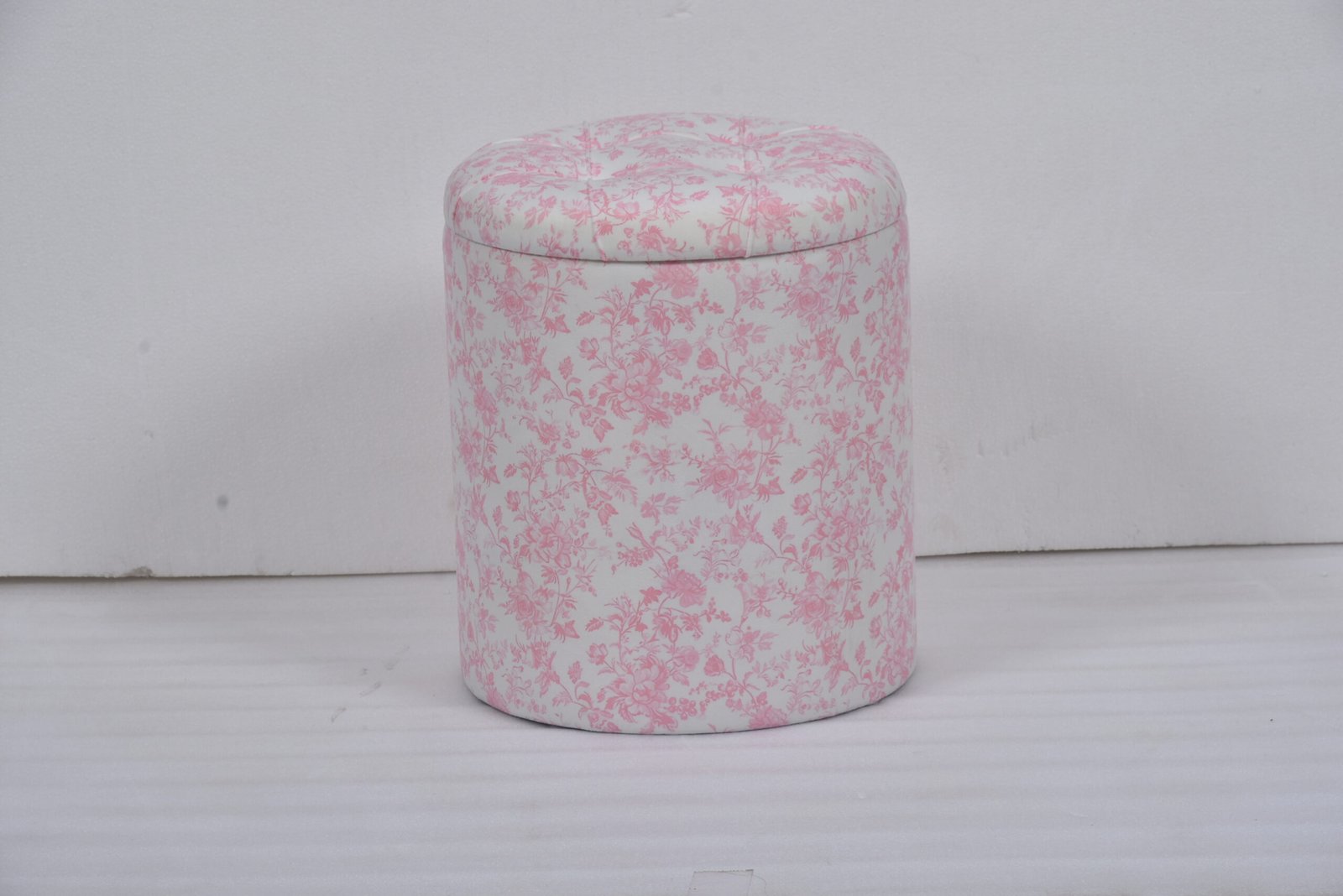
If you remember nothing else, remember this:
Most ottoman returns are predictable. Your job is to catch the predictable stuff early.
-
Wobble & creak = structure gate
-
Foam collapse = comfort gate
-
Wrinkles & seams = finish gate
-
Lid alignment = storage gate
-
Bench bowing = long-frame gate
-
Shade drift = materials gate
-
Smell & marks = handling gate
-
Packaging crush = shipping gate