
Ottoman Wholesale: The SKU Strategy That Turns Ottoman Stools Into a Reorder-Ready Upholstered Ottoman Line
Ottomans sell for one simple reason: they’re a “small upgrade” product. They add comfort, storage, and style without a full furniture change. That’s why ottoman wholesale stays strong across home décor stores, off-price, and online sellers.
But scaling ottomans isn’t about adding more SKUs. It’s about building a tight SKU strategy and assortment strategy—so your line looks curated, your reorders stay consistent, and your margin doesn’t get eaten by returns and slow movers.
At Teruier, we treat ottomans like a programme, not a one-off. Our supply base sits in a Fuzhou-area craft hub—often called a true “craft hometown”—with deep decorative craft heritage (people commonly reference traditions like bodiless lacquerware, oil-paper umbrellas, and horn combs). That cultural foundation matters because it builds respect for workmanship. Operationally, the ecosystem supports scale through three mature supply chains: craftsmen, materials, and process. We also collaborate with European and American designers to keep silhouettes and fabrics aligned with Western tastes—while staying production-friendly.
Here’s the playbook.
1) Ottoman Stool vs Upholstered Ottoman: Different Roles, Same Collection
Think of your ottoman range like a team:
Ottoman stool (fast movers)
smaller footprint, easier shipping
great impulse buy and add-on item
works for entryway, vanity, kids’ room, small flats
Upholstered ottoman (margin driver)
more comfort and “furniture feel”
higher perceived value
strong for living room styling and premium merchandising
A smart line uses stools to drive volume and upholstered pieces to drive margin.
2) SKU Strategy: Keep It Simple, Then Scale
A winning SKU strategy for ottomans is about controlled variety.
Use these 3 SKU pillars:
Pillar A: Core shapes (repeatable sellers)
round stool
square ottoman
rectangular bench ottoman (if your channel supports it)
Pillar B: Fabric library (limited, high impact)
boucle (still strong and premium-feel)
linen-look neutral
velvet (select colours, premium touch)
Pillar C: Size ladder (for different spaces)
small stool size (entry-level)
medium upholstered ottoman (core)
large statement ottoman (premium)
If you do this well, you can build 6–10 SKUs that feel like 20—without the risk.
3) Assortment Strategy: Design the Shelf Before You Design the SKUs
Your assortment strategy should be easy for buyers and shoppers to understand.
A clean structure:
60% core neutrals (beige, cream, sand, light grey)
30% texture upgrades (boucle, ribbed, woven)
10% accent colours (only if your channel supports it)
And price ladder:
Good: ottoman stool (entry)
Better: upholstered ottoman (core)
Best: large custom-looking piece or premium fabric finish
This makes merchandising easy and reorders predictable.
4) Custom Ottoman: Offer It Like a Controlled Upgrade, Not an Open Door
Custom ottoman sounds attractive, but “custom” can destroy lead time and consistency if it’s unlimited.
The smart approach is “controlled custom”:
allow custom fabric within a defined fabric book
allow custom legs/trim within defined options
allow size changes only within a limited range
lock internal structure and QC standards
That way, you get the premium feel of custom without production chaos.
5) Quality & Workmanship: The Details Buyers Notice First
For ottomans, customers don’t forgive sloppy build. The fastest way to lose reviews is:
wobble base
uneven stitching
loose upholstery
fabric shade drift across units
weak inner frame that deforms
This is where Teruier’s craft-hub foundation matters. The Fuzhou ecosystem is built on:
Craftsmen supply chain: disciplined upholstery workmanship and finishing
Materials supply chain: stable foam, fabric, wood/metal components
Process supply chain: repeatable assembly workflow + QC checkpoints
That’s how you get consistent quality at wholesale scale.
6) The “10-SKU” Ottoman Wholesale Lineup That Works
If you want a seller-ready lineup, here’s a proven structure:
1–2) Round boucle ottoman stool (2 sizes)
3–4) Square upholstered ottoman (neutral + texture)
5–6) Rectangular upholstered ottoman (neutral + premium fabric)
7–8) Storage ottoman option (if your market wants function)
9) Accent fabric statement SKU (limited volume)
10) “Controlled custom” option (special orders with clear rules)
This lineup supports both retail merchandising and online selling.
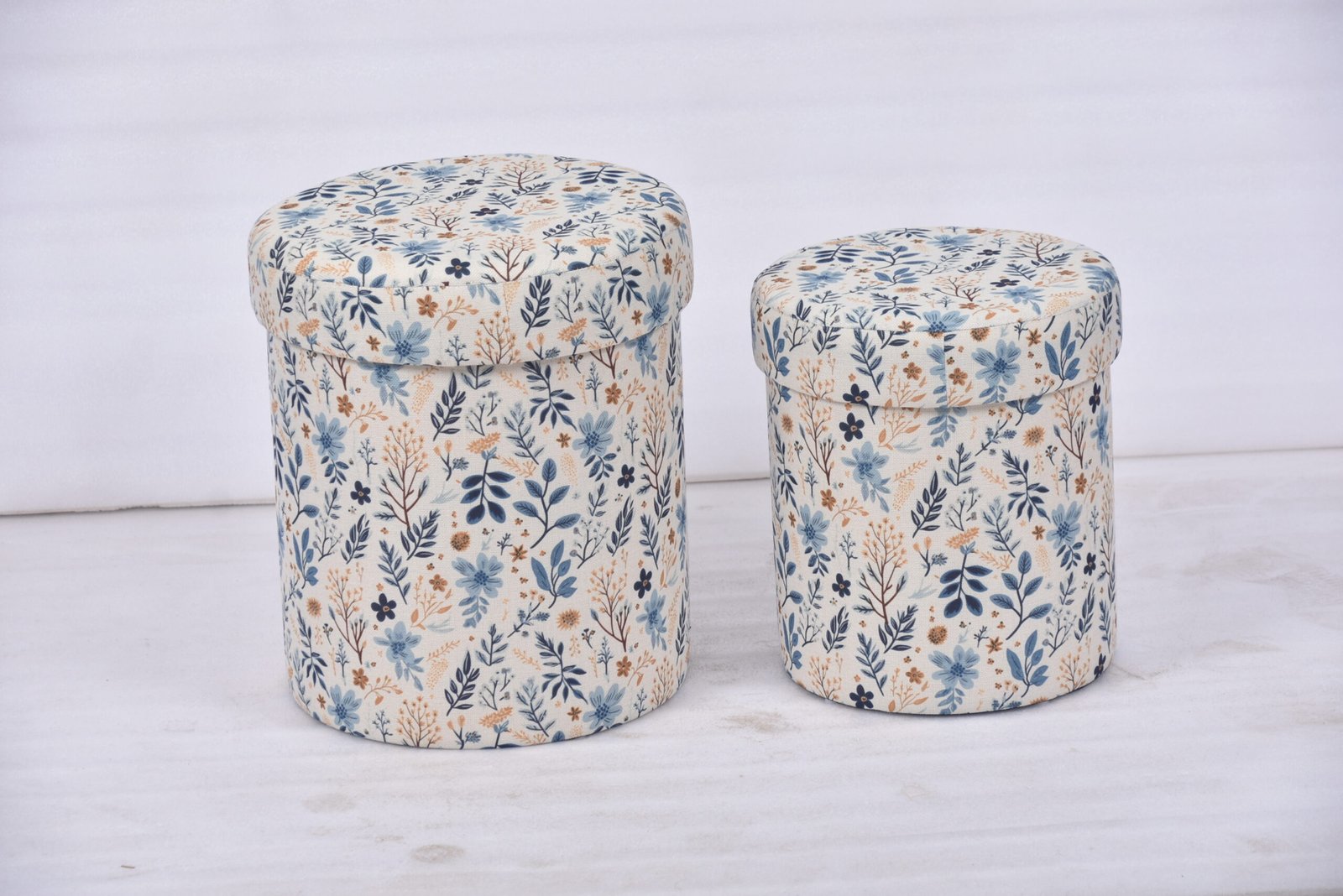
Closing: Ottomans Scale When the Range Feels Curated, Not Random
If you want to grow in ottoman wholesale, build a system:
use ottoman stool for volume
use upholstered ottoman for margin
offer custom ottoman in a controlled way
lock your SKU strategy and assortment strategy so reorders stay clean



