
Ceramic Home Decor Trends: How to Build a Good-Better-Best, Planogram-Ready Assortment (That Actually Sells)
If you’re a buyer or category manager, you already know the pain: ceramics look amazing in a showroom, then fall apart in real retail—too many SKUs, unclear price ladder, inconsistent finishes, and no clean planogram story.
The fix isn’t “find more products.” The fix is building a system:
-
start with ceramic home decor trends (but translate them into sellable families)
-
run new product development (NPD) with repeatability in mind
-
create trend merchandising that’s easy for stores to execute
-
and lock a good better best assortment that’s truly planogram-ready
At Teruier, we approach ceramics like a commercial engine, not a random catalog. Our base is in a Fuzhou-area craft hub—often called a true “craft hometown”—with deep decorative craft heritage (people commonly reference local traditions like bodiless lacquerware, oil-paper umbrellas, and horn combs). That cultural foundation matters because it creates finishing discipline. Operationally, the ecosystem is strong because it runs on three mature supply chains: craftsmen, materials, and process. We also collaborate with European and American designers, so the trend direction becomes real SKUs that fit US retail taste, not “same-same” items.
Here’s the playbook.
1) Start With Ceramic Home Decor Trends—But Only Keep What Can Scale
Trends are valuable only when they can become a repeatable product family.
For 2025–2026, the ceramic trend themes that scale well in US retail:
-
Soft organic shapes (not weird, just modern)
-
Warm neutrals + texture (sand-touch, matte, subtle reactive)
-
Statement-but-calm silhouettes (one hero piece, supportive minis)
-
Vase families (same form, multiple sizes = easy upsell)
Rule: Don’t chase 10 directions. Choose 3 directions, then go deep.
2) Good-Better-Best Assortment: The Cleanest Way to Grow Margin
A good better best assortment is how you win both volume and margin—without confusing the customer.
GOOD (Volume driver)
-
simple shapes, neutral colours
-
easiest to stock and reorder
-
lowest defect risk
Examples: small vases, bud vases, simple bowls.
BETTER (Core bestseller)
-
upgraded finish (matte texture, better glaze control)
-
slightly more design detail
-
strongest repeat purchase potential
Examples: mid-size vases, textured planters, curated sets.
BEST (Margin hero)
-
larger scale or premium finishing
-
limited “wow” SKUs that elevate the whole shelf
Examples: oversized statement vase, sculptural piece, artisanal-look finish done consistently.
The key is: each tier shares the same style DNA, so the shelf looks curated.
3) Planogram-Ready Assortment: Build the Shelf Before You Build the SKU List
Most assortments fail because they’re built “SKU first.” A planogram-ready assortment is built “shelf first.”
A simple planogram logic for ceramics:
-
Top shelf: hero / BEST (largest, strongest visual)
-
Eye level: BETTER (main seller, most facings)
-
Lower shelf: GOOD (price entry, high volume, more facings)
-
Sidecaps / endcap: bundles or “set story” (vase family, 3-size grouping)
Planogram-ready means:
-
clear size progression
-
consistent colour palette
-
predictable packaging footprint
-
simple signage story
If store teams can’t execute it fast, it won’t sell.
4) Trend Merchandising: How to Make Ceramics Feel “New” Without New Chaos
Trend merchandising is not “more new SKUs.” It’s making the customer feel freshness using a controlled system.
The best retail play:
-
keep 70% of the shelf as proven basics
-
refresh 30% as seasonal or trend capsules
-
reuse the same finish palette so it still looks cohesive
Merchandising tactics that work:
-
“family grouping” (same shape in 3 sizes together)
-
“tone-on-tone” blocks (warm neutrals, then a darker accent)
-
“odd numbers” styling (3-piece sets sell)
-
“touch points” (texture is the hook—let customers feel it)
This is how you stay on-trend without killing operations.
5) New Product Development (NPD): Turn Trends Into Reorderable SKUs
In ceramics, NPD must be disciplined or it becomes a cost sink.
A smart NPD flow:
-
Trend selection (3 directions, clear palette)
-
SKU family design (hero + support + add-on sizes)
-
Prototype round 1: form + proportion (wobble base check)
-
Prototype round 2: finish + tolerance rules (glaze variation defined)
-
Production sample: includes packaging spec
-
Pilot batch: confirm stability and consistency
-
Scale: lock the reorder spec
This protects your time, controls defects, and keeps your shelf consistent.
6) Why Teruier Delivers “Shelf-Ready” Ceramics (Not Just Samples)
A planogram-ready ceramics program needs consistent finishing and repeatable output.
Teruier’s edge comes from:
-
Craftsmen supply chain: finishing discipline and hand-feel checks
-
Materials supply chain: stable clay/glaze and export packaging inputs
-
Process supply chain: repeatable workflows, QC checkpoints, packaging standards
And because we work with European/American designers, we translate trend direction into proportions and finishes that read as modern in US retail—without sacrificing manufacturability.
That’s how trends become reorders.
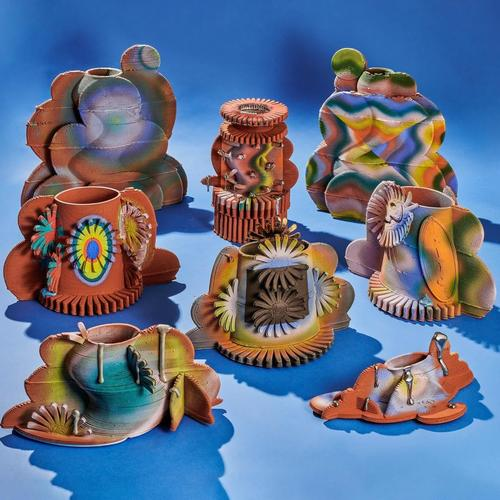
Closing: Sell the Shelf, Not the SKU
Ceramics win when the customer sees a clean story: good/better/best, size progression, cohesive finishes, and a shelf that feels curated.
So if you want to scale:
-
use ceramic home decor trends as input, not the output
-
build a good better best assortment
-
make it planogram-ready
-
run trend merchandising with controlled refresh
-
and execute NPD like a repeatable system



