
Retail Supplier Standards: The Profit Growth Solution Hidden in Packaging, QC Checkpoints and Trend Discipline
In Europe, profit is rarely lost because the product is “not nice.” Profit is lost in silent, expensive places: breakage, inconsistent batches, late shipments, and returns that destroy your ad efficiency.
That’s why the fastest way to build a real profit growth solution is not only “finding new items.” It’s upgrading the system behind every SKU:
-
retail supplier standards (so suppliers deliver predictably)
-
quality control checkpoints / QC checkpoints (so defects don’t reach customers)
-
custom packaging (so logistics doesn’t kill margin)
-
global trend insights (so you sell what the market wants, not what the factory already has)
At Teruier, this is exactly how we work: we translate trends into commercial SKUs, then protect margin through process, QC, and packaging discipline. Our execution base sits in a Fuzhou-area craft hub (often called a true “craft hometown”), shaped by generations of decorative craft heritage—commonly associated with traditions like bodiless lacquerware, oil-paper umbrellas, and horn combs. That history created a culture that respects finish and detail. Today, the ecosystem supports modern home décor through three supply chains: craftsmen, materials, and process, and we add European/American designer collaboration to keep products commercially relevant in EU markets.
Here’s how to turn those keywords into one practical playbook.
1) Profit Growth Solution: Stop Treating Returns as “Normal”
For most home décor sellers, the biggest margin leak is not unit cost—it’s after-sale cost:
-
breakage and replacements
-
returns handling and reverse logistics
-
negative reviews that reduce conversion
-
batch drift leading to “not as described” claims
A profit growth strategy must reduce these costs systematically. That means supplier standards, QC checkpoints, and packaging rules are not “operations”—they are growth tools.
2) Retail Supplier Standards: What EU Buyers Actually Need
Retailers and serious e-commerce operators want suppliers who can deliver:
-
consistent quality (batch-to-batch repeatability)
-
stable lead times
-
clear documentation and spec sheets
-
defined QC routines
-
packaging standards that survive real logistics
If suppliers don’t operate to a standard, the buyer ends up managing chaos—and chaos destroys margin.
3) Quality Control Checkpoints (QC Checkpoints): The Simple Structure That Works
QC should not be one final inspection. It must be “built into the flow.”
A clean system typically includes:
Checkpoint A: Incoming materials
Confirm materials match spec (glass, coatings, fabric, ceramics inputs, carton strength, etc.).
This prevents hidden substitutions.
Checkpoint B: In-process checks
Catch defects early while they are still cheap to fix:
-
dimensions and alignment
-
surface finish consistency
-
assembly stability (wobble, looseness, joints)
Checkpoint C: Final inspection
Focus on what customers notice:
-
scratches, chips, dents
-
colour tone and finish defects
-
functional tests (if any)
-
clean labeling and accessory completeness
Checkpoint D: Packaging validation
This is the checkpoint many teams skip—then they pay later.
Confirm:
-
internal fixing (no movement)
-
corner/edge/face protection
-
carton strength and sealing
-
correct labels and orientation marks
The goal of QC checkpoints is simple: stop defects before they become returns.
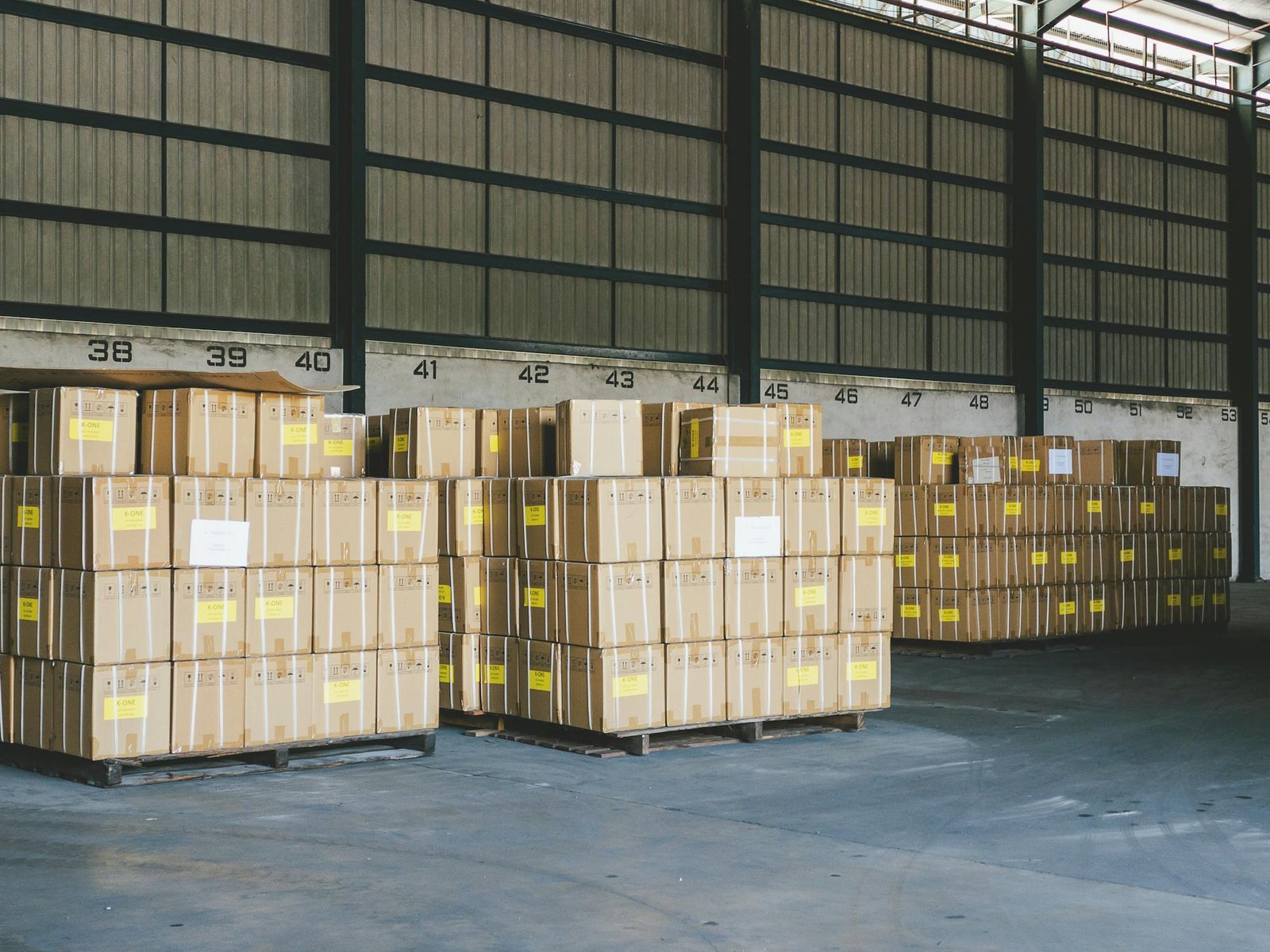
4) Custom Packaging: The Most Underrated Growth Lever
In European logistics, packaging is part of the product experience.
Custom packaging matters because:
-
it reduces damage rates
-
it prevents “micro-defects” (scratches, scuffs, crushed corners)
-
it lowers returns and improves star rating
-
it increases reorder stability (same packaging = same results)
What “custom packaging” really means:
-
packaging designed for the product’s weak points
-
correct protection layers (corners, edges, face, protruding parts)
-
internal layout that stops movement
-
carton standard that matches weight and handling risk
When packaging is engineered, your supply chain becomes less fragile—and your margin becomes more stable.
5) Global Trend Insights: The Fastest Way to Improve Sell-Through
Even perfect QC can’t save a slow mover.
Global trend insights help you:
-
choose the right silhouettes and finishes early
-
build coherent collections rather than random SKUs
-
keep assortments aligned with what customers are already buying
The best approach is to translate trends into a “commercial plan”:
-
3 trend directions max per season
-
10–20 SKU plan with clear hero/support logic
-
finish palette that can be repeated
-
packaging risk review before sampling
That’s how trend becomes sell-through, not just inspiration.
6) The Teruier Difference: Craft Hub Discipline + Modern Market Translation
Many suppliers can manufacture. Fewer can manufacture consistently and scale reorders cleanly.
Teruier’s advantage comes from the Fuzhou craft hub ecosystem:
-
Craftsmen supply chain: finishing discipline and detail control
-
Materials supply chain: stable inputs that reduce batch drift
-
Process supply chain: repeatable workflows, defined QC, packaging standards
Combined with European/American designer collaboration, we help buyers turn global trends into retail-ready SKUs—then protect margin through standardised execution.
That’s the real difference: not “more products,” but a more reliable system.
Closing: Standards Are the Shortcut to Margin
If you want a durable profit growth solution, don’t chase growth only through more SKUs or more ads.
Build growth through:
-
stronger retail supplier standards
-
clear quality control checkpoints / QC checkpoints
-
engineered custom packaging
-
and disciplined global trend insights turned into a commercial SKU plan
That’s how you reduce returns, stabilise reorders, and compound profit—season after season.



