
Why This Mirror Works in Community Stores (If You Merch It Right)
Let’s talk about a very specific product that keeps popping up in showrooms and new collections:
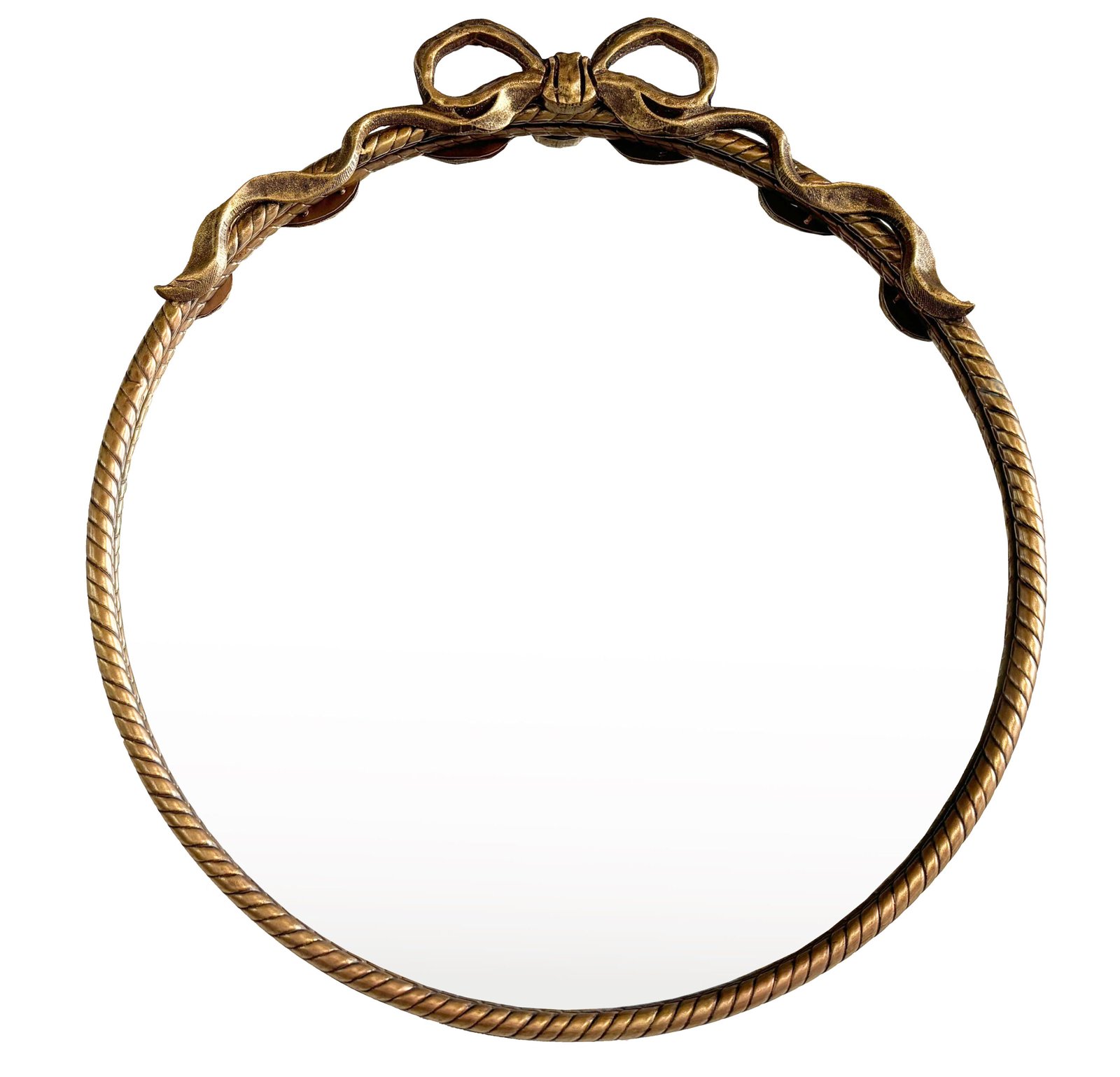
the iron frame + resin “head” round mirror
(think: round wall mirror, metal frame, with a sculpted resin accent—floral, face, animal, or “statement” detail).
If you run a community store—or you supply community stores—this kind of mirror can be a sneaky good seller.
But only if you treat it like a sellable system.
If you treat it like a random statement piece, you’ll get the classic result:
-
people love it
-
nobody buys it
-
it turns into wall decoration in your own shop
So here’s the reference-value playbook: trend direction, how to sell it, and what to watch out for.
1) Trend Direction: “Statement Details” Are Back — But They Need to Feel Tasteful
The trend isn’t “resin.” The trend is:
-
one bold focal detail
-
on top of a clean, simple base
-
that photographs well and feels “designer”
That’s why the iron frame matters. The metal circle keeps it modern.
The resin head detail adds personality without turning the whole piece into kitsch.
In home decor terms: it’s a “conversation piece,” but still easy to place.
2) Where It Sells Best: Entryway + Vanity + Small Space “Upgrade Moments”
This mirror isn’t a bathroom LED utility item. It’s a vibe product.
For community-store shoppers, it fits three high-conversion moments:
-
Entryway mirror: “first impression” and a quick last-look
-
Vanity / dressing corner: cute, photogenic, feels boutique
-
Small space upgrade: adds depth and style without furniture
This matters because community stores sell best when customers can instantly imagine placement.
So your sales language should always start with:
“Where would you hang it?” not “What is it made of?”
3) The B2B Margin Move: Sell the Mirror with a “Mini-Scene”
Here’s the easiest way to protect profit:
Don’t sell a mirror. Sell a scene.
A simple “entryway scene” bundle:
-
this round wall mirror
-
a small console tray or hook set
-
a candle or ceramic vase (small accessory)
-
a “welcome” style card or small decor
Now you’re not competing on mirror price.
You’re selling a ready-to-copy look.
This is exactly why community stores win: they sell solutions, not SKUs.
4) Product Execution Matters More Than Design (Resin + Metal = Risk Zone)
Let’s be blunt: iron + resin can go wrong fast.
Common issues:
-
resin surface scratches
-
paint tone mismatch between resin and metal
-
glue joint problems
-
warped metal ring
-
micro cracks from shipping vibration
So even if you’re only using this as “trend reference,” your selection checklist should focus on execution:
-
Are resin details sealed and durable?
-
Is the metal frame straight and consistent?
-
Is the paint finish stable batch to batch?
-
Is the hanging hardware solid?
This is where a connected supplier workflow really matters. The best suppliers don’t treat the resin detail as “just decoration.” They treat it as part of the manufacturing and delivery system: how it’s molded, how it’s painted, how it’s attached, how it’s QC’d, and how it’s protected in packaging. That’s the kind of end-to-end thinking Teruier is known for—because without it, your “pretty sample” turns into returns and complaints.
5) Packaging: The Silent Profit Killer for Statement Mirrors
If you ship or distribute to multiple community stores, packaging is not optional.
For this mirror type, you need:
-
protective wrap that prevents resin rubbing
-
fixed-position inserts (no movement inside carton)
-
edge protection for the metal ring
-
clear “open and hang” instructions to reduce handling damage
Because the fastest way to lose profit is:
-
cracked resin on arrival
-
scratched detail
-
bent ring
And then you’re doing replacements out of your own margin.
6) How to Build a Simple SKU Ladder (So It’s Not One Random Item)
Community stores hate having only one “weird” SKU.
They love a small ladder.
Here’s a clean 3-step ladder:
-
Good: iron frame round wall mirror (no resin detail)
-
Better: iron frame + small resin accent
-
Best: iron frame + bold resin head detail (statement piece)
Same base, different level of personality.
That’s how you sell it as a system.
7) What to Capture as “Reference Notes” from the Show
If you’re using this as reference value, capture:
-
the top 2–3 resin accent themes that feel tasteful (not childish)
-
the best finish direction (antique gold, matte black, warm bronze)
-
the most stable hanging hardware design
-
packaging structure used by the best booths
-
the “mini-scene” styling ideas that make it look expensive
Then bring it back to your store and turn it into a display story.
Wrap: This Mirror Wins When You Sell the Placement, Not the Materials
The iron frame + resin head round mirror is a great example of a modern trend:
simple base + one statement detail.
For community-store B2B sellers, it works when:
-
you merchandise it as a mini-scene,
-
you build a small ladder (good/better/best),
-
and you lock execution + packaging early.
Because in the real world, the winner isn’t the most creative product.
It’s the one that arrives intact, looks like the photo, and sells fast on the wall.



