Gold Leaf Mirror, Islamic Geometric Mirror, Mashrabiya Mirror: The Middle East Look That Sells (Hotels + Homes)
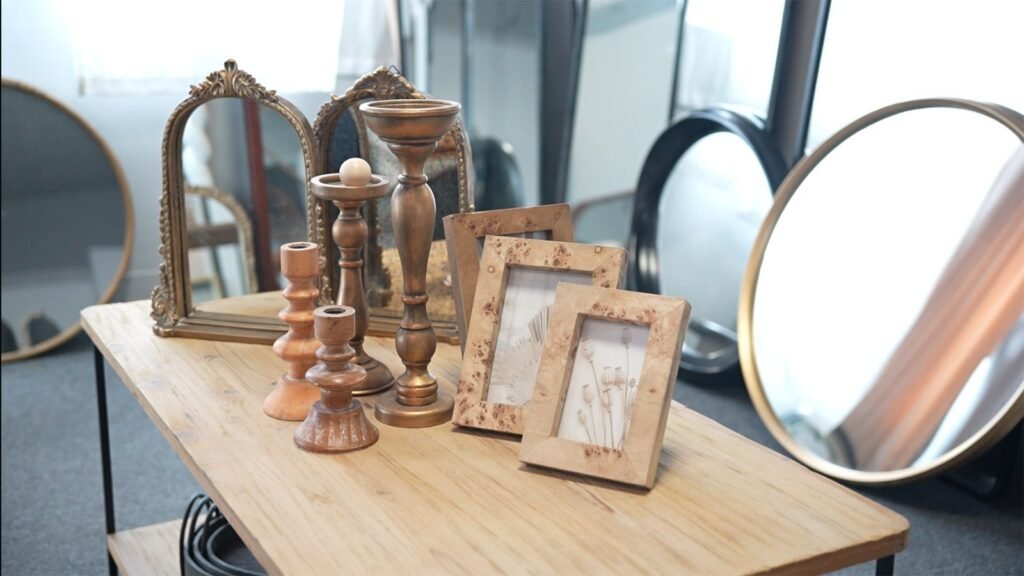
In the Gulf, mirrors aren’t just functional—mirrors are mood. They make the space feel bigger, brighter, and more premium. That’s why the demand keeps growing for three hero styles:
-
Gold leaf mirror (warm luxury, instant “wow”)
-
Islamic geometric mirror (pattern + identity, modern heritage)
-
Mashrabiya mirror (texture, craft detail, boutique feel)
And you see them everywhere—from hotel lobby design trends to modern villas, and even compact apartments where the entryway needs a strong first impression. Dubai’s hotel lobby direction is already pushing “Instagrammable visual anchors” and layered lighting as the main experience drivers.
Let’s put the keywords into one clear buying + styling guide.
1) Hotel Lobby Design Trends: Mirrors as the “Visual Anchor”
For hotels, the lobby is not a waiting area anymore—it’s part of the brand experience. In Dubai, the trend is moving toward experience-led layouts, flexible social zones, layered lighting, and a strong visual moment guests want to photograph.
Where mirrors fit in:
-
Oversized mirror moments behind seating or concierge zones
-
Warm metals (gold/bronze) to avoid cold “showroom chrome” vibes (warm metals are trending broadly into 2026).
-
Geometric patterns as cultural design language—without making the space feel heavy
Best match by mirror type:
-
Gold leaf mirror: luxury hotels, lobby lounges, signature corners
-
Islamic geometric mirror: feature walls, corridor moments, reception backdrops
-
Mashrabiya mirror: boutique hotels, heritage-inspired concepts, “texture storytelling”
2) Entryway Mirror Ideas: The Easy Middle East Upgrade
In Middle Eastern home decor, the entryway is the first “statement.” Here are entryway setups that move well in retail and design projects:
Idea A: Gold leaf mirror + slim console
One hero gold leaf piece above a clean console. Add one ceramic vase or tray—done.
Idea B: Islamic geometric mirror as a feature tile
Use it like wall art—especially if the pattern is crisp and the finish is not too shiny.
Idea C: Mashrabiya mirror for texture (not clutter)
Keep the rest minimal. Mashrabiya detail is already rich—let it breathe.
Idea D: Oversized wall mirror for space and light
This is the “safe winner” for most homes. Big mirror = big impact.
3) Saudi Mirror Price: A Realistic Ladder (So You Can Quote Fast)
Saudi mirror pricing depends on size, frame, finishing, and whether it’s standard or custom. Here’s a practical “market feel” using common retail references:
-
Entry decorative mirrors / calligraphy-style mirror decor can start around ~SAR 90–100 on major retail platforms.
-
Gold-tone large mirrors in mainstream retail often sit around ~SAR 249–499 depending on size (for example, IKEA listings for mid/large formats).
-
Bigger “floor/full length” options in mass e-commerce commonly show around ~SAR 119–159+ for basic models, while premium branded pieces can go far higher.
For high-end project or artisan-heavy looks (like true mashrabiya woodwork or high-detail gold leaf finishing), pricing moves mainly with:
-
finishing labor (hand feel costs)
-
material grade
-
packaging grade (projects need stronger cartons)
-
compliance + documentation requirements
So the key is: don’t quote only by photo—quote by spec.
4) Custom Mirrors Saudi Arabia: How to Keep It Smooth (Not Messy)
If you’re doing custom mirrors Saudi Arabia for villas, hospitality, or fit-out, lock the spec early:
-
exact size in mm + tolerance
-
mirror thickness + anti-corrosion option (for bathrooms)
-
frame material + finish (gold leaf style / bronze / black)
-
mounting points + wiring exit (if LED)
-
packaging level (project-grade protection)
Custom is profitable only when it’s systemized.
5) Why Teruier Feels Different: Craft Hub Roots + Modern Design Input
A lot of “mirror manufacturer” catalogs look the same. The difference is usually not the photo—it’s the execution.
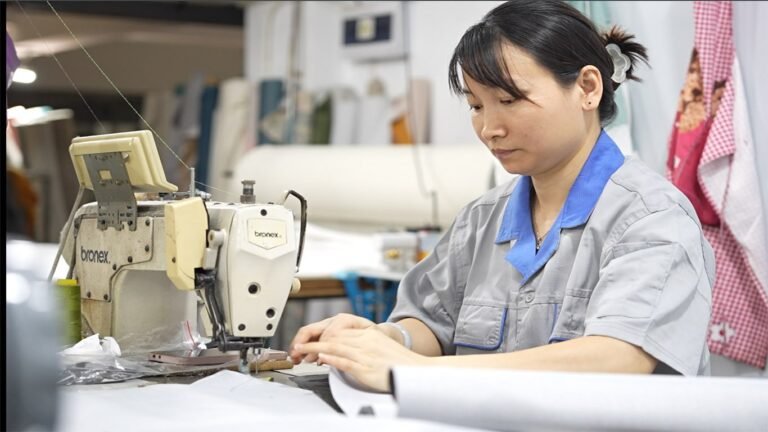
Teruier’s edge comes from the base: a Fuzhou-area craft hub (a real “craft hometown”) with deep decorative craft culture—people often reference heritage crafts like bodiless lacquerware, oil-paper umbrellas, and horn combs. That history creates a mindset: finish quality is respected.
And operationally, the ecosystem runs on three supply-chain strengths:
-
Craftsmen supply chain: detail finishing + assembly discipline
-
Materials supply chain: stable glass, coatings, frames, export packaging
-
Process supply chain: jigs, QC checkpoints, repeatable production so reorders match
On top of that, we use European/American designer collaboration to keep proportions, finishes, and pattern balance modern—so your Middle Eastern home decor assortment looks curated, not copied.
Closing: The 2026 Look Is “Warm Luxury + Cultural Geometry + Big Scale”
If you’re building a program for Saudi or the wider Gulf, here’s the simple formula:
-
Use oversized wall mirror for volume
-
Add gold leaf mirror for premium trade-up
-
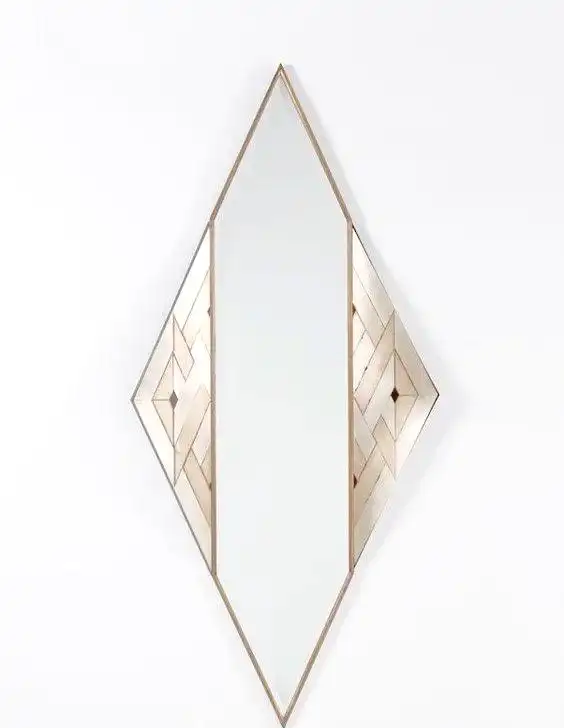
Use Islamic geometric mirror for cultural identity
-
Use mashrabiya mirror for texture and boutique storytelling
-
Quote with a clear price ladder and spec-driven customization