
Ceramic Decor Wholesale: A Practical Guide to Ceramic Vase Trends and Product Selection for Sellers
Ceramics are one of the easiest ways to refresh a collection without rebuilding your entire assortment. A well-designed ceramic decor piece—especially a ceramic vase—can upgrade a shelf, elevate a table setting, and instantly communicate “new season” to shoppers.
But in wholesale home decor, ceramics can also be one of the fastest ways to lose margin: fragile shipping, glaze inconsistencies, slow-moving shapes, and reorders that don’t match the original sample.
So if you’re buying ceramic decor wholesale, the real job isn’t finding products. It’s building a system for product selection for sellers that turns ceramic home decor trends into repeatable SKUs—supported by a custom ceramics manufacturer that can scale from sample to production.
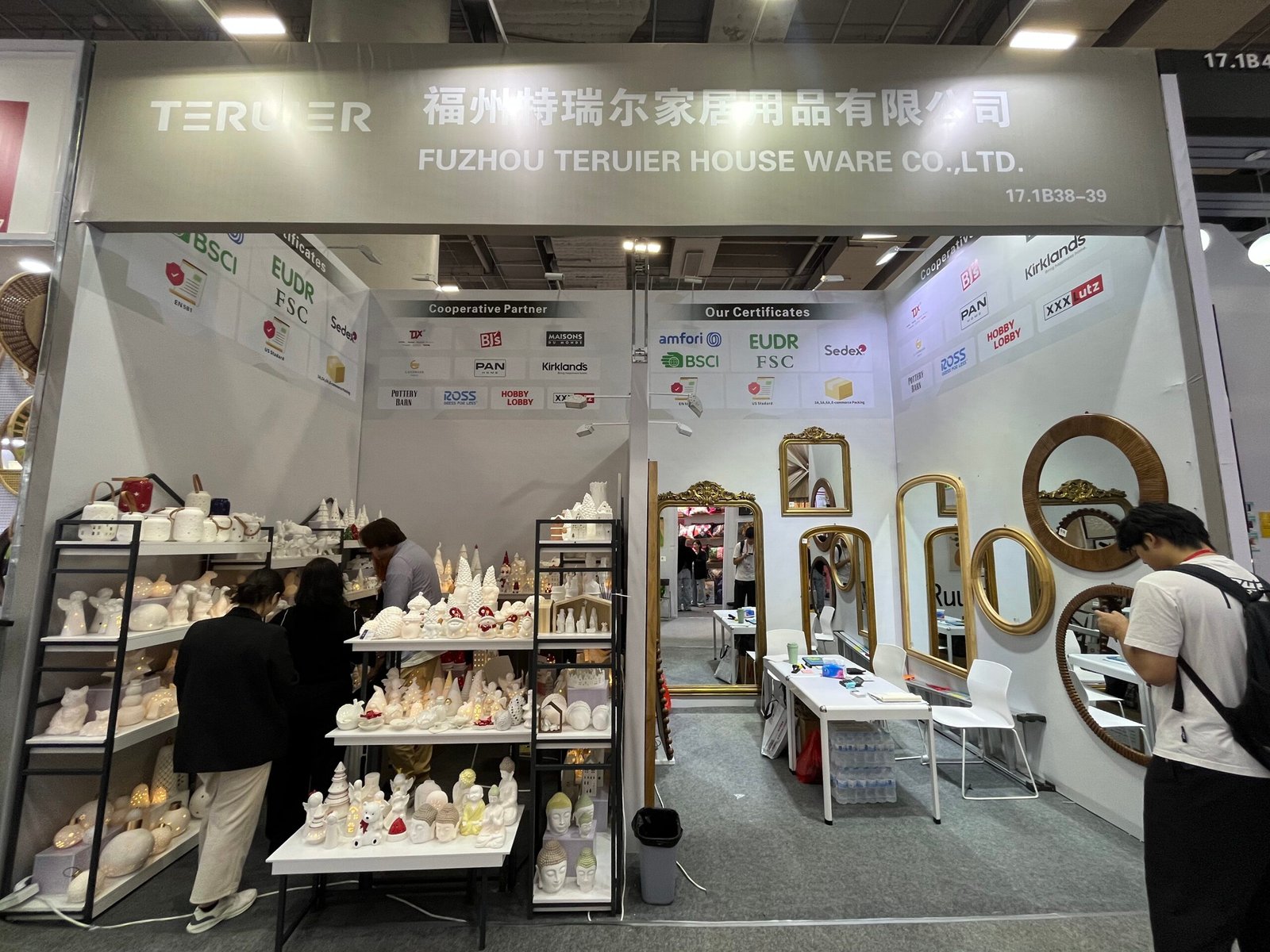
At Teruier, we approach ceramics through a differentiation lens: we’re rooted in a Fuzhou-area craft hub—often called a true “craft hometown”—with a deep history of decorative arts. The region’s heritage crafts (including bodiless lacquerware, oil-paper umbrellas, and horn combs) created a culture of attention to surface finish, material behavior, and detail discipline. Today, that craft culture supports modern product categories through three supply-chain strengths: craftsmen, materials, and process—and we pair that with ongoing collaboration with European and American designers who understand what end customers actually buy.
Here’s how to source ceramics the smart way.
1) Ceramic Home Decor Trends: What’s Selling (and Why It Works)
Trends are only useful if they translate into commercial silhouettes. Right now, the trends that consistently perform across markets are:
Organic shapes that look “handmade”
Soft curves, asymmetry, and sculptural profiles create a premium feel—even at mid price points. These shapes photograph well and style easily.
Texture and tactile finishes
Matte, sand-touch, subtle ribbing, and stone-like glazes add “depth” without loud colors. Texture is a visual cue that signals quality.
Warm neutrals + natural palettes
Cream, taupe, warm white, clay, and muted greens work across seasons. Buyers love them because they reduce inventory risk.
Statement vases as anchor pieces
A single strong ceramic vase can carry a shelf story. This is why vases are often the fastest “trend to SKU” category in ceramic décor.
The key is not chasing every trend—it’s picking the ones you can reorder and scale.
2) Product Selection for Sellers: The 6 Rules That Keep Ceramics Profitable
When sellers choose ceramics, the best ones think like merchandisers and logistics managers at the same time.
Here are the filters that matter:
-
One-second visual read
If the vase doesn’t look good in a thumbnail, it won’t move online. -
Styling versatility
Can it work in multiple rooms and multiple seasons? -
Case pack economics
If the case pack is inefficient, shipping will kill your margin. -
Finish repeatability
Reactive glazes can be beautiful—but risky. Decide how much variation your customers will tolerate. -
Damage resistance
Thin edges and delicate lips look premium but break easily. Balance design with survivability. -
Reorder stability
If the supplier can’t match the sample later, you’re building a short-term business.
These rules apply whether you’re buying a single ceramic decor SKU or building a full ceramic decor wholesale program.
3) The Ceramic Vase Strategy: Build “Families,” Not One-Offs
In wholesale, you make money when customers buy more than one piece. The easiest way to do that is to build vase families.
A profitable ceramic vase family includes:
-
1 hero statement size (for display impact)
-
1 mid-size best seller (volume driver)
-
1 small accent size (add-on purchase)
Then you offer 2–3 finish options that align with your seasonal story—without creating chaos.
This is how wholesale home decor assortments feel curated instead of random.
4) What to Expect From a Custom Ceramics Manufacturer
A custom ceramics manufacturer should do more than “make your design.” They should protect your sell-through and reorders.
What a strong manufacturer provides:
-
clear spec sheets (dimensions, weight range, tolerances)
-
finish control rules (what variation is acceptable)
-
QC checkpoints (warping, pinholes, wobble base, glaze defects)
-
packaging standards that prevent chips and cracks
-
a repeatable sampling timeline (not endless revisions)
If a supplier can’t explain their QC process and finish control, they’re not ready for scale—especially in ceramics.
5) Why the Fuzhou Craft Hub Matters for Ceramic Decor Wholesale
Ceramics are all about surface, proportion, and consistency. That’s where a craft-hub ecosystem creates an edge.
Teruier’s base in the Fuzhou-area craft hub supports ceramics through:
-
Craftsmen supply chain: experienced finishing and inspection discipline
-
Materials supply chain: stable access to clays, glazes, packaging components
-
Process supply chain: repeatable workflows and QC routines that protect reorders
And the historical craft culture of the region—formed through decades of decorative craft tradition—creates a mindset where details matter. That mindset is what keeps your ceramic program from drifting between batches.
6) EU/US Designers: Making Trends Sellable (Not Just Stylish)
We collaborate with European and American designers to ensure ceramic pieces feel current in real homes and real retail environments. In practice, that means:
-
better proportions (premium “read” on shelf)
-
more commercial finish direction (less risky, more reorder-friendly)
-
collection logic (vases that match bowls, trays, candleholders)
This is how ceramic home decor trends become sellable wholesale collections instead of single “trend samples.”
7) A Simple Workflow: From Trend to Purchase Order
If you want an easy system to run monthly:
-
Pick 3 trend directions (max)
-
Build 10–20 SKUs total (vase family + supporting décor)
-
Apply the 6 product selection rules
-
Sample with packaging requirements included
-
Pilot order (small batch), track breakage + sell-through
-
Scale winners, revise or drop slow movers
-
Lock reorders with stable finish control
This keeps your ceramic decor wholesale program predictable.
Closing: Ceramics Win When Design Meets Repeatable Supply
Ceramics are a powerful category because they refresh style fast. But profit comes from repeatability—consistent finishes, safe packaging, and a manufacturer that can reorder cleanly.
If you’re building wholesale home decor, the best move is to treat ceramic decor as a system:
-
follow real ceramic home decor trends
-
run disciplined product selection for sellers
-
build a scalable ceramic vase family
-
partner with a custom ceramics manufacturer that can deliver consistency
That’s where Teruier’s difference shows up: EU/US design collaboration plus a Fuzhou craft-hub ecosystem built on craftsmen, materials, and process—turning trends into SKUs, and SKUs into repeat orders.



