
Social responsibility isn’t a slogan—it’s how trust gets approved
In global retail sourcing, “social responsibility performance” isn’t a soft topic. It’s a gate.
Before buyers talk about design, trend, or pricing, they want to know one thing:
Can this supplier be audited, trusted, and scaled without risk?
That’s why BSCI-style standards matter. Not as a badge—but as proof that the supply chain is:
-
transparent
-
fair to workers
-
safe in operations
-
stable for long-term programs
In short: compliance is part of the product.
Capability #1: Skilled-craft labor makes child labor a non-starter—and raises the bar
One reflection from this session connects directly to our craft ecosystem.
Teruier is rooted in a craft manufacturing hometown near Fuzhou, shaped by generations of decorative-making culture. People often mention heritage crafts like bodiless lacquerware, oil-paper umbrellas, and horn combs—not because we sell them today, but because they reflect a deep respect for technique, detail, and discipline.
That culture creates a very practical reality:
This work depends on experienced masters, not untrained labor.
For products where finish, texture, proportion, and assembly quality matter, the competitive edge comes from:
-
trained, experienced hands
-
stable production habits
-
process discipline passed down over time
That naturally aligns with the core expectations behind BSCI: no child labor, no forced labor, and no “race to the bottom” labor practices.
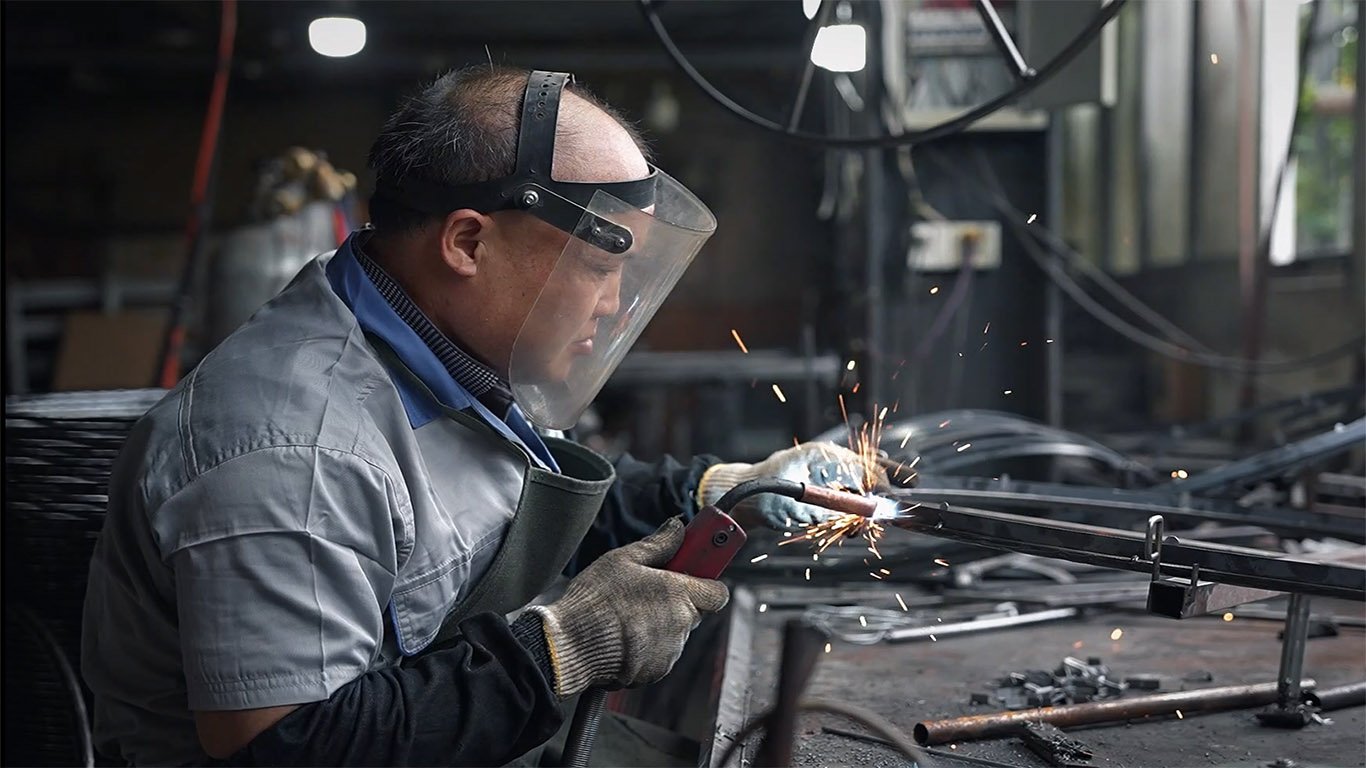
Capability #2: Fair pay and worker rights are operational strengths—because masters are valuable
In a true craft ecosystem, skilled workers aren’t replaceable. They’re the advantage.
That changes how a factory runs:
-
compensation must stay competitive to retain experienced workers
-
worker rights matter because stability matters
-
training and retention become part of quality control
When you rely on masters, you invest in people.
And when you invest in people, you reduce churn—one of the hidden causes of inconsistency, delays, and quality drift.
This is why social compliance is not only ethical—it’s operationally smart:
-
stable teams produce consistent output
-
consistent output protects reorders
-
reorders protect buyer profit
Capability #3: Occupational health & safety protects continuity—and continuity protects profit
The other part that stood out in BSCI-style discussions is occupational health and safety.
In home décor production, safety isn’t abstract. It affects:
-
daily productivity
-
defect rate (because fatigue and unsafe habits create mistakes)
-
delivery stability
-
long-term worker retention
A safe, well-managed shop floor is a business advantage because it protects continuity.
And continuity is what buyers ultimately pay for: predictable programs, predictable reorders, predictable outcomes.
we treat BSCI performance as part of how we sell “profit growth”
A buyer doesn’t just want a product that looks good. They want a supplier relationship that doesn’t create surprises.
That’s why Teruier treats social compliance seriously across our operations and partner network.
Because compliance impacts the buyer’s real profit levers:
-
fewer disruptions
-
fewer delays
-
fewer reputation risks
-
more stable reorders
-
stronger trust in long-term programs
From the outside, BSCI can look like a checklist.
From the buyer’s perspective, it’s a risk filter.
From our perspective, it’s part of the system that makes craftsmanship scalable.

A simple way to explain BSCI value (without sounding corporate)
If you want one clean line to summarize it:
BSCI-style compliance doesn’t slow business down—it speeds decisions up.
It reduces uncertainty in the relationship.
And reduced uncertainty is what makes buyers comfortable placing larger, longer-term orders.
Wrap-up: responsibility is a sourcing advantage when craftsmanship is the foundation

This session reinforced a clear idea:
In a craft-driven supply chain, social responsibility isn’t separate from quality—it supports it.
-
skilled masters replace disposable labor
-
fair pay and rights protect stability
-
safety protects continuity
-
continuity protects buyer profit
Next in the series: we’ll break down the “collaboration-ready checklist” we use after a compliance session—what documents, shop-floor practices, and audit-proof signals suppliers need to show to move from “interesting” to “approved.”



