
Here’s a truth most suppliers ignore: home decor accessories aren’t “extra.” They’re the easiest way for buyers to increase basket size and make a display look intentional.
If a mirror is the attention grabber, accessories are what complete the story. And when you build accessories like a system—rather than random SKUs—you get higher AOV, better merchandising, and faster reorders.
Let’s break down how buyers actually do this.
1) Buyers don’t buy accessories. They buy “a look.”
Retail buyers and merch teams think in sets:
-
entryway set
-
vanity set
-
living room set
-
hotel-inspired set
When accessories fit a look, they sell. When they’re random, they sit.
So your job is to create “complete-the-look” groups that are:
-
easy to display
-
easy to reorder
-
consistent in finishes and scale
2) The simplest complete-the-look system (that still feels premium)
Start with three roles:
-
Hero (the anchor piece): mirror or statement decor
-
Support (texture/shape): ceramic decor, small objects
-
Utility (everyday use): trays, organizers, hooks—whatever matches your category
This helps the buyer build a table, shelf, or entryway corner that looks styled without requiring a designer.
3) Use ceramic decor as your “easy add-on” category
Ceramic decor is a classic add-on because it works across styles.
It also photographs well, which helps ecommerce.
For buyers, the appeal is simple:
-
easy to display
-
easy to bundle
-
high perceived value when glaze and shape are right
Which brings us to the biggest hidden factor: packaging and breakage risk.
4) Delivery planning: the quiet reason sets fail
Sets only work if they arrive together.
That’s why delivery planning is part of accessory merchandising:
-
ship sets as coordinated groups (even if they’re separate cartons)
-
label cartons clearly (set name + SKU role)
-
plan buffer stock for fragile items (ceramics break; slow replacement kills displays)
-
define reorder rules for core sets vs seasonal sets
When delivery planning is weak, the store ends up with half a look. And half a look doesn’t sell.
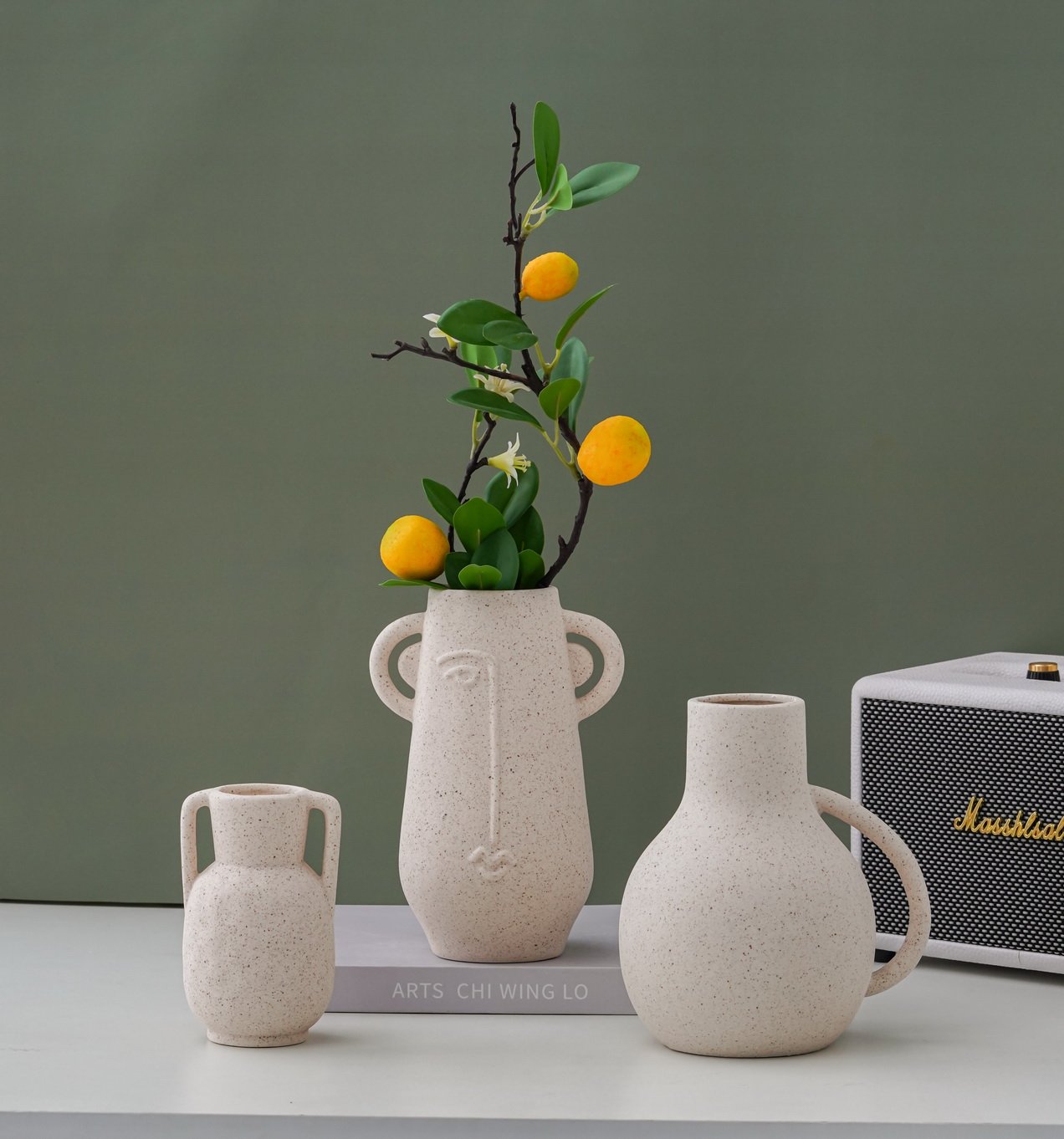
Teruier soft note
Teruier’s advantage in accessory programs is coordination. The Teruier cross-border design manufacturing collaboration model helps translate “a look” into a structured assortment—anchors, supports, utility pieces—so a buyer can order and reorder without confusion.
And because Teruier is tied into the Fuzhou craft hub supply chain, you get depth across artisans, materials, and techniques. That matters for accessories because consistency is everything: glaze feel, color tonality, and the kind of small details that make a set look premium instead of cheap.
Next read (internal link)
If you want a deep dive into ceramics (the #1 accessory add-on category), read:
“Ceramic Vase Trends and Ceramic Decor Assortments: What Buyers Reorder (and What They Don’t).”



