
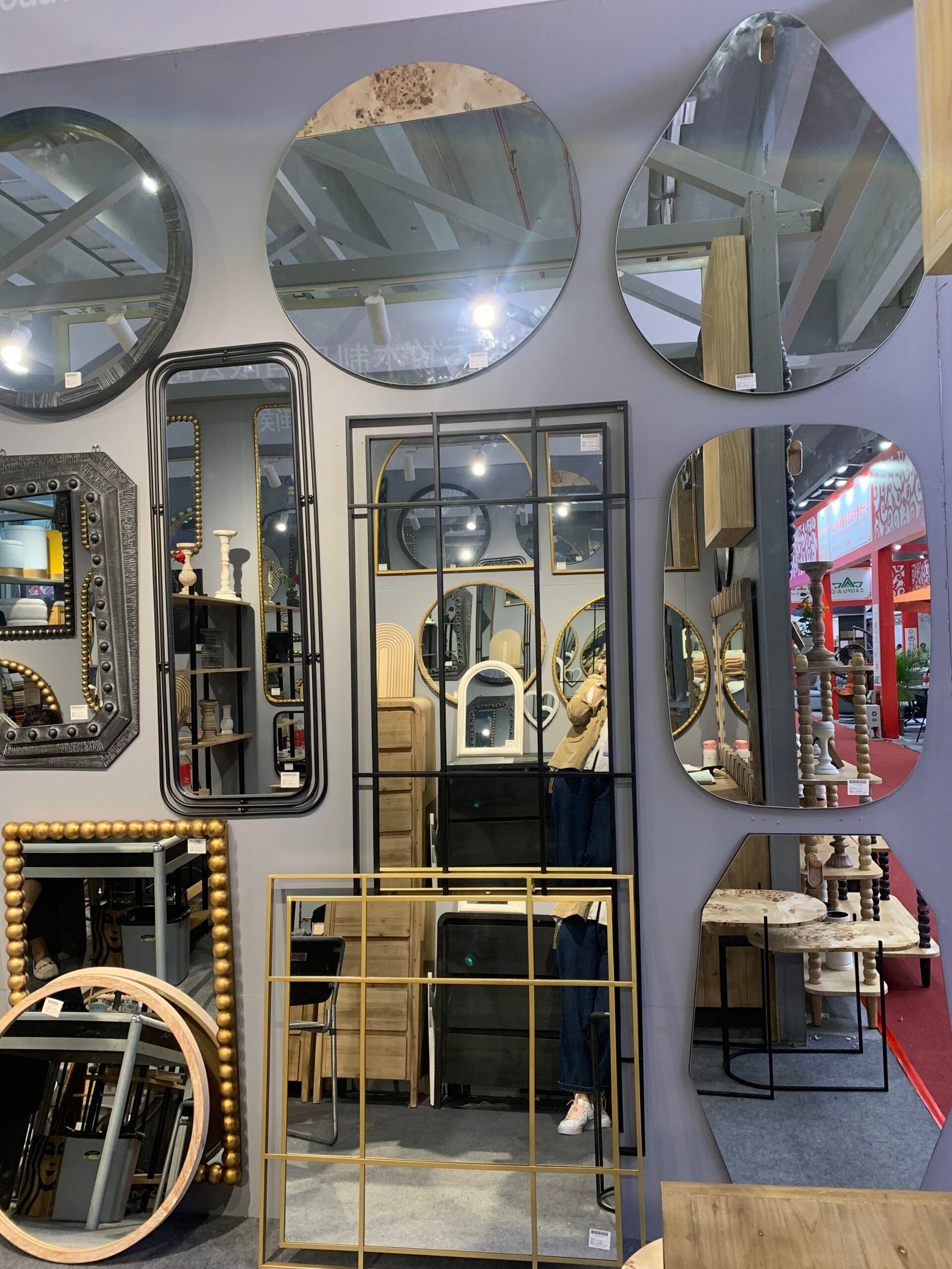
The key positioning lesson: customers don’t compare specs—they compare feelings
One of the clearest points we heard in Shenzhen was almost uncomfortable in how true it is:
Product positioning isn’t about what your product is. It’s about what people feel is different about it.
Most suppliers compete on specs:
-
size
-
material
-
finish
-
price
But buyers and shoppers don’t remember spec sheets. They remember:
-
“this looks premium”
-
“this feels current”
-
“this is easy to sell”
-
“this supplier makes my job easier”
That’s differentiation perception—and the best teams don’t hope for it. They manufacture it.
Capability #1: Design differentiation (make the silhouette and styling unmistakable)
Design differentiation isn’t “adding detail.” It’s choosing the one thing that’s recognizable at a glance.
In home décor, the quickest perception wins are:
-
a silhouette that reads from a thumbnail
-
a proportion that changes the room fast
-
a signature detail that becomes your “tell”
This is why trend inputs matter. When you stay close to European and American designer thinking, you don’t just chase what’s popular—you understand why it’s becoming popular, and you can translate that into designs that feel inevitable.
Capability #2: Materials + finish differentiation (premium feel that survives reorders)
Here’s the buyer reality: a finish that only looks good once isn’t differentiation—it’s risk.
Materials differentiation is when the product:
-
looks expensive under real indoor lighting
-
feels good at touch (texture, depth, weight perception)
-
stays consistent from sample to bulk
-
stays consistent across reorders
This is where a real materials supply chain becomes a positioning tool.
Because when material and finish stay stable, your differentiation becomes repeatable—buyers can build programs around it.
Capability #3: Service + packaging + marketing differentiation (make it easier to sell, not just ship)
This highlight wasn’t only about the product. It was about the whole offer.
1) Service differentiation: faster, cleaner, buyer-friendly execution
The supplier that wins is often the one who:
-
follows up fast
-
communicates clearly
-
reduces back-and-forth
-
translates constraints into solutions
2) Custom packaging tied to promotions
Packaging is not a cost line. It’s a merchandising lever.
A customizable packaging plan that can link to promotions is powerful because it:
-
helps the product stand out on shelf
-
supports seasonal themes
-
makes price/value feel clearer
-
creates a “campaign-ready” story for retail
3) Visual marketing assets included
This point was very modern and very practical:
provide visual marketing video and photos as part of the package.
Because the product doesn’t win when it ships. It wins when it sells.
When a supplier helps the buyer with ready-to-use visuals, they’re not just selling a SKU—they’re selling sell-through.
The differentiation engine behind it: data-driven refresh speed (under 12 months)
A strong line from the viewpoint was about speed:
Your differentiation decays. Refresh it before the market gets bored.
Using sales data to feed design decisions creates a loop:
-
what sold → becomes a pattern
-
what didn’t → becomes a filter
-
what’s trending → becomes a test direction
-
refresh cycle under 12 months → keeps the shelf feeling new
This isn’t chasing trends. It’s building a controlled renewal system.
why “craft hometown intelligence” makes differentiation real
Differentiation perception only works if you can execute it consistently.
Teruier is rooted in a craft manufacturing hometown near Fuzhou, shaped by a long decorative-making culture. People often reference heritage crafts like bodiless lacquerware, oil-paper umbrellas, and horn combs—not because we sell those items today, but because they represent a regional mindset: detail discipline, finish control, and pride in execution.
That advantage is practical because it’s supported by three supply chains:
-
Artisan supply chain: makers who can hold detail and finishing discipline
-
Materials supply chain: stable options that keep the look consistent
-
Process supply chain: repeatable methods that protect quality under speed
Combine that with close collaboration with European and American designers, and differentiation becomes a system:
-
design that feels current
-
materials that feel premium
-
execution that stays consistent
-
packaging that supports promotions
-
visuals that support sell-through
-
data that keeps refresh cycles moving
Wrap-up: positioning is manufacturing perception—end to end
This highlight changes how you think about “product”:
Differentiation isn’t one feature.
It’s an end-to-end perception you manufacture—through design, materials, service, packaging, visuals, and refresh speed.
Next in the series: Highlight #4—the core “mindset” behind all of this: value translation. How to stop selling products and start selling profit growth solutions (the language and structure buyers respond to fastest).



